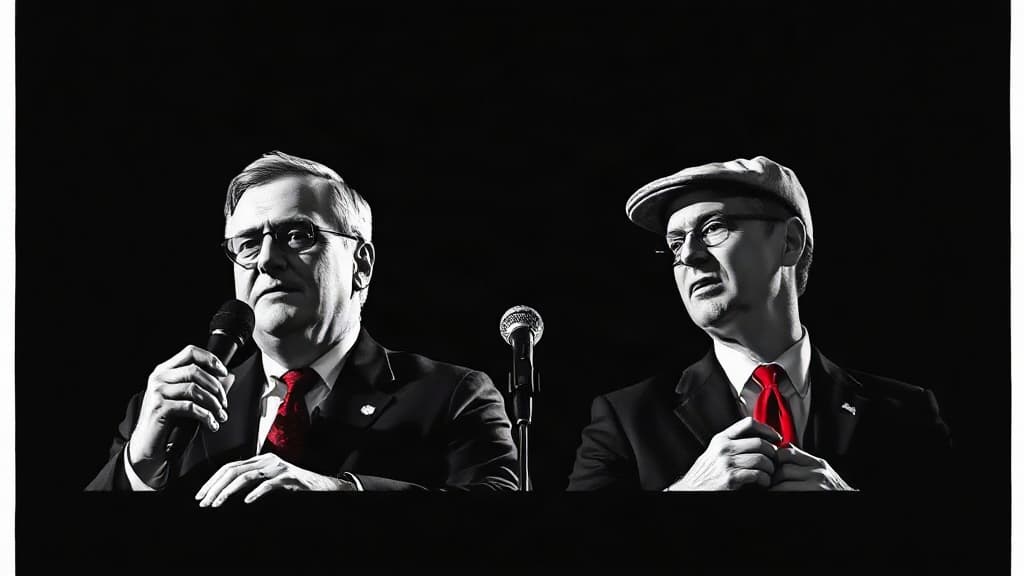
Google, the company that decides what billions of people can see, read, and search online, is now buying its way into the movies that shape how Americans think — dropping roughly $75 million into indie studio A24 as part of a new AI research partnership with Google DeepMind. This is the first time Google has taken a stake in a movie studio, according to the Wall Street Journal. Big Tech already controls the digital public square. Now it wants a seat at the table where the culture itself gets made.
The deal gives A24's filmmakers hands-on access to DeepMind's research infrastructure, while Google gets something far more valuable: real-world feedback from working directors to build AI tools for film production and distribution. A24's existing technology division, A24 Labs, is already developing an AI-assisted storyboarding tool. Now that effort has Google's billions behind it.
A24 partner Scott Belsky tried to reassure critics, telling the Journal the companies are focused on tools that "preserve creative control and support risk-taking" and "won't look anything like the prompted generation type of AI that people feel uncomfortable with." Eli Collins, VP of Product for DeepMind, kept it vague: "We believe breakthroughs happen when you get technology into the hands of the best minds in the field."
The specific goals and creative milestones, Collins wrote, "will evolve over time." Translation: they'll figure out what they're really building once the checks clear.
Decrypt noted the dark irony: A24 is the studio behind "Ex Machina," Alex Garland's 2014 thriller about the dangers of artificial intelligence. The same studio that made a movie warning about AI is now partnering with the biggest AI company on earth to bring AI into the filmmaking process. Deadline and Digital Trends both buried that detail.
The agreement reportedly does not give Google access to A24's existing film and television library or its data. But the prize here was never the back catalog — it's the influence over what gets made next. A24 has spent a decade building a brand so strong that more than half of moviegoers surveyed call themselves fans of the studio itself, not just individual titles, according to Digital Trends. The studio is now gearing up for a roughly $175 million Elden Ring adaptation. Google just bought a piece of that pipeline.
This deal did not happen in a vacuum. Google has been steadily courting Hollywood: in January, the company committed $2 million to AI training programs for artists through the Sundance Institute and other organizations, and in April it unveiled an AI tool that generates images and animated scenes from Google Street View data. Across the industry, the AI land rush is on. Martin Scorsese joined AI startup Black Forest Labs as an adviser. Netflix quietly built its own AI animation studio called INKubator. OpenAI is backing a $30 million AI-generated animated feature called "Critterz" heading straight to Cannes.
Not everyone in Hollywood is rolling over. The 2023 SAG-AFTRA and Writers Guild strikes were fought largely over AI protections. In December, figures including Joseph Gordon-Levitt and Natasha Lyonne launched the Creators Coalition on AI to push for standards. "Backrooms" director Kane Parsons called generative AI a source of "genuinely harmful consequences" and part of a broader "cultural and economic rot."
Google is the same company that censors search results, deplatforms voices it doesn't like, and works hand-in-glove with federal agencies to shape what Americans can say online. Now it's in the film business. The tools will be built by the same people who built the censorship infrastructure. The only question is what those tools will let filmmakers say — and what they won't.