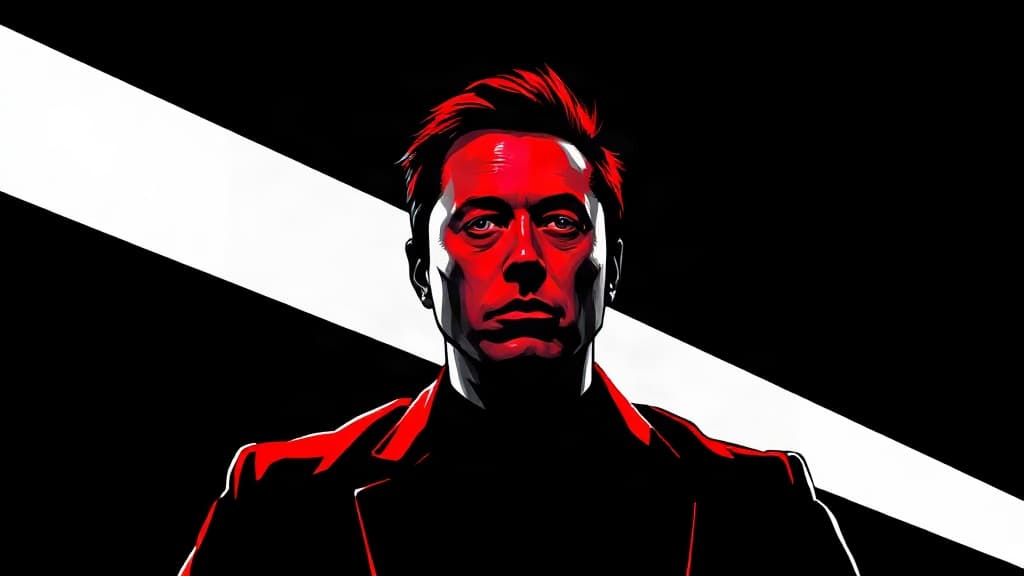
Major social media platforms are collectively refusing to run paid advertisements for a documentary about Elon Musk — the same coordinated censorship playbook Big Tech has deployed against disfavored voices for years, and a stark reminder of how few gatekeepers control what Americans see online.
YouTube, Meta's Facebook and Instagram, TikTok, and even Musk's own X have all declined to run trailer ads for "Musk," a four-hour documentary by Alex Gibney hitting theaters October 9, according to The Hollywood Reporter. The platforms cited "political content" policies — the same vague justifications used to throttle conservative voices and anti-establishment commentary for years. These companies will promote gender ideology content to minors and cash checks from foreign influence operations, but a documentary trailer about the man who bought Twitter to restore free speech? That crosses the line.
Distributor Bleecker Street is, per The Hollywood Reporter, "internally scrambling to understand why their ad has been rejected." The company has appealed to all three non-Musk platforms. Meta has already rejected the appeal. TikTok and YouTube are still considering the petitions.
Here's the rub: TikTok bans political ads outright. Meta restricts them, requiring pre-authorization — a policy born from the Cambridge Analytica fallout. YouTube allows political ads with disclosure requirements. But as The Hollywood Reporter noted, the Musk trailer "does not appear to fall in the category of the campaign advertising those bylaws were enacted to prevent." It contains a shot of a 2024 political rally and a reference to the election — standard documentary content, not a campaign ad.
Gizmodo framed the rejections as Silicon Valley possibly "helping shush the baby" to avoid Musk's wrath, suggesting tech firms might be preemptively appeasing a powerful figure. The Hollywood Reporter took the opposite angle, noting the irony: the ad ban proves the very point the film makes about concentrated corporate control over speech.
Both frames miss the structural reality. The "political content" excuse is elastic enough to block anything these platforms don't want amplified. This isn't about policy — it's about power.
Even X, the platform Musk bought explicitly to restore free speech, refused to engage with Bleecker Street — and won't even accept advertising for any of the distributor's other films on its upcoming calendar, according to The Hollywood Reporter. That's not a free-speech platform; that's a personal fiefdom.
The documentary's overseas distributor, Universal, nearly bailed on the project entirely. The Hollywood Reporter previously reported Universal got cold feet on a topic "politically sensitive for parts of the Trump administration," despite having paid a "significant sum" for overseas rights. Universal later said it would stand by the film.
Documentaries depend on social media word-of-mouth far more than big-budget studio releases. When the same handful of corporations can choke off paid promotion for a film they deem politically inconvenient, the market for dissenting or critical speech shrinks to whatever the algorithm allows to surface organically.
The question isn't whether Alex Gibney's film is fair to Musk. It's whether Americans get to see it and decide for themselves — or whether a cartel of platform executives makes that call for them.