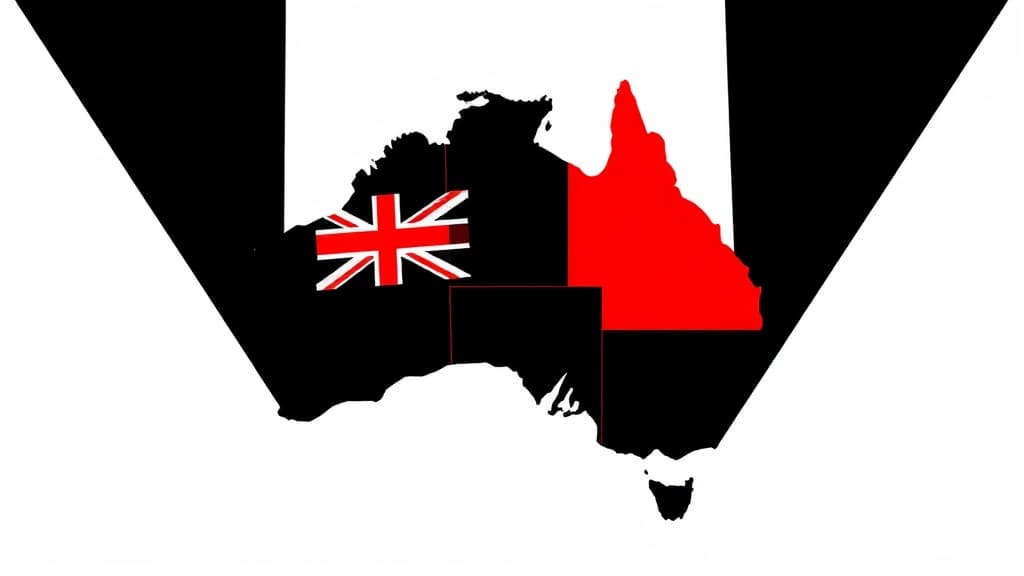
Australia is doubling maximum fines on social media platforms to 99 million Australian dollars ($68 million) for failing to keep children under 16 off their apps — a power grab dressed up as child protection that hands an online safety bureaucrat sweeping new surveillance authority while doing nothing about the data harvesting that actually exploits kids.
The move matters because every government eyeing internet regulation is watching Australia's world-first ban. If Canberra gets away with it, the same framework — state-enforced age verification, expanded document demands, punitive fines — comes stateside. The question isn't whether kids should be on Instagram. It's whether parents or the state decides, and how much surveillance infrastructure gets built to enforce the answer.
Communications Minister Anika Wells announced draft legislation Sunday that would double the maximum fine and expand the powers of eSafety Commissioner Julie Inman Grant to demand information and documents from platforms and third-party age-assurance technology providers. Wells blamed the platforms for the ban's failure, telling the Australian Broadcasting Corp.: "We can all agree we would like the scheme to work better than it is currently, but that is on Big Tech taking the Mickey."
The ban took effect Dec. 10 with overwhelming parliamentary support. The government initially claimed more than 5 million children had accounts removed, deactivated, or restricted. By March, eSafety's own numbers told a different story: seven in 10 children who held accounts on restricted platforms when the ban started were still on Facebook, Instagram, Snapchat, and TikTok. Inman Grant said she was considering court action against those platforms and YouTube. She said she was satisfied with progress by X, Kick, Reddit, Threads, and Twitch.
Senior opposition lawmaker Jane Hume said her party would consider voting for the tougher penalties, arguing the original law was "clearly undercooked" and the eSafety Commissioner lacked sufficient power over Big Tech. That's the bipartisan consensus: the state needs more power, the question is just how much.
Notice what's missing from the debate. No one is talking about the real threat to children — the data harvesting and behavioral profiling that Big Tech runs on every user, regardless of age. Governments don't challenge that business model because they benefit from the same surveillance infrastructure. Age-assurance technology requires identity verification. Identity verification requires collecting and storing personal data. The state gets its enforcement tool; the platforms keep their data pipelines. The only loser is the citizen whose digital life is now a compliance document.
The proper authority over a child's online presence is the parent — not a Canberra bureaucrat armed with subpoena power and a $68 million stick. Australia's ban has already failed on its own terms. Doubling down on state control won't protect children. It will normalize the idea that the government decides who gets to speak online and what they must prove to do it.