The 2026 console showdown isn't a specs contest — it's a fight over whether you own what you pay for, and Microsoft is all-in on making sure you don't.
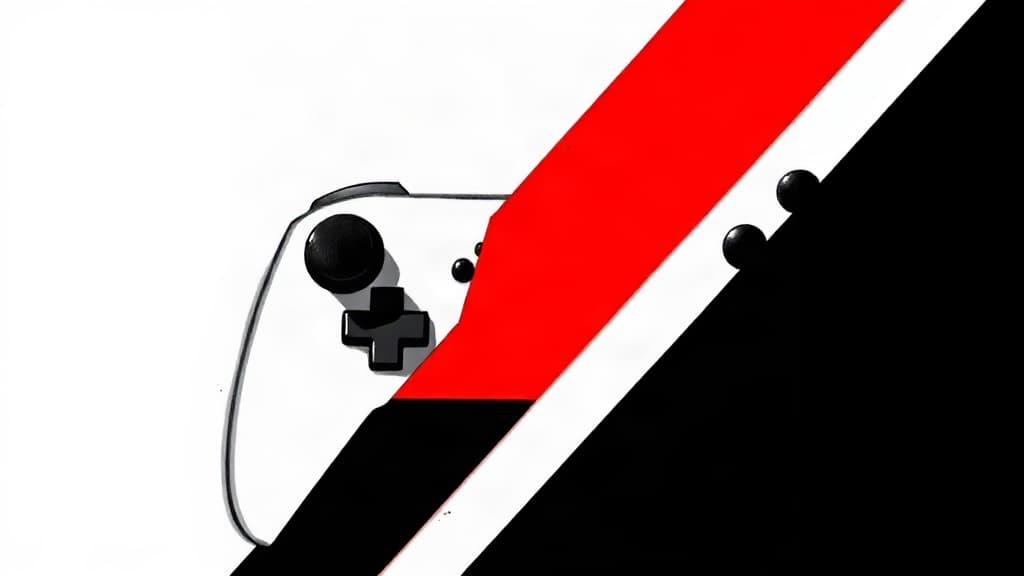
Tom's Guide just published a full-throated case for buying an Xbox Series X this year over a PS5 or Switch 2, and the telling part isn't the hardware pitch — it's the business model they're selling. The piece champions Xbox Game Pass Ultimate, which bundles hundreds of titles for a recurring fee, and Xbox Cloud Gaming, which lets you stream games without downloading them. The author calls it "unbeatable value that respects your wallet." That's one way to frame a subscription trap.
Here's the other way: with Game Pass, you don't own a single game. You rent access to a library Microsoft controls. They decide what's available. They decide when it leaves. They decide what you pay next year. When the price ticks up — as it already has — your choices are pay more or lose everything. That's not value. That's a landlord-tenant relationship with your entertainment.
Tom's Guide buries the ownership question entirely. The piece highlights the Series X's 12-teraflop advantage over the base PS5's 10.28, praises Quick Resume, and calls the PS5 an "eyesore." Fine — hardware opinions are hardware opinions. But the real divide isn't graphical muscle. It's property rights. PlayStation and Nintendo still primarily sell you games you keep. Microsoft wants you subscribing forever.
The Verge, meanwhile, reports on a different corner of the same problem: GTA VI preorders. Both platforms are pushing digital purchases hard. The Verge found gift card workarounds — $75 Sony cards for $69 at Newegg, $90 Xbox cards for $80 — to shave a few bucks off the $79.99 standard edition. Useful for buyers, but note what's missing: no mention of physical copies, no mention of resale rights, no mention of what happens when a digital storefront shuts down and your library vanishes. The Verge treats digital-only as background noise, not as a property rights story.
And that's the pattern. The tech press covers subscription gaming and digital-only purchases as convenience, never as control. Microsoft's Play Anywhere program — buy once, get console and PC versions — sounds generous, but it locks you into Microsoft's ecosystem on both platforms. You're not buying freedom. You're buying a longer leash.
This isn't just gaming. It's the same model spreading across American life: housing, software, media, even tractors. You will own nothing, and the companies pushing that future want you to call it innovation. The 2026 console war is one more front in that fight.
The question isn't which box has more teraflops. It's whether Americans will still have the right to own what they buy — or whether we'll all be renters in a digital world controlled by a handful of corporations who can revoke access whenever they please.