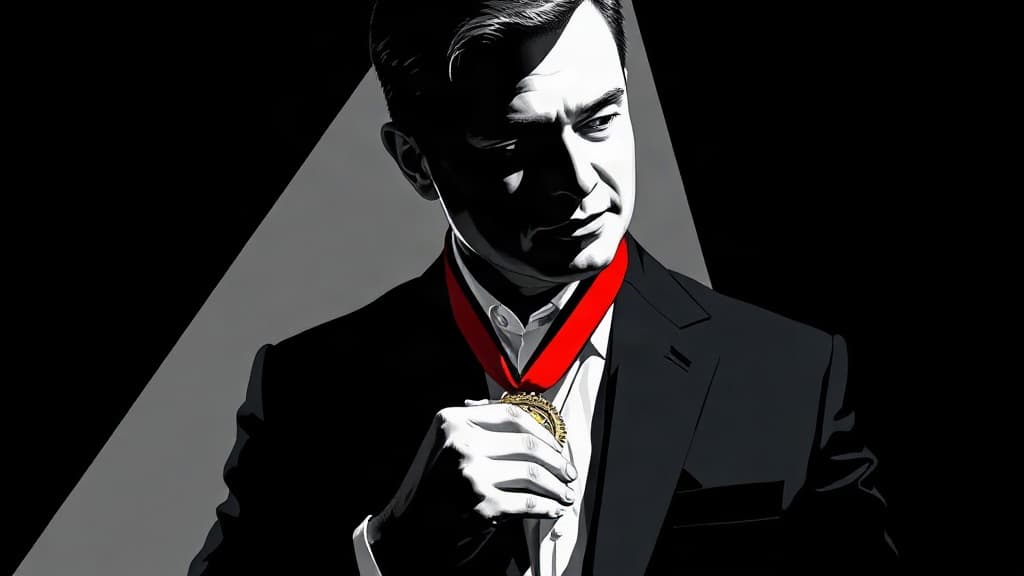
Ukrainian President Volodymyr Zelenskyy awarded Elon Musk the Order of Freedom on Wednesday — a medal that arrives just as Kyiv is pressing the SpaceX founder to unlock Starlink satellite coverage over Russian territory for long-range drone strikes.
The timing isn't accidental. Musk has been one of the most prominent skeptics of blank-check Ukraine aid, and he's also the man standing between Kyiv and expanded drone operations deep inside Russia. The Order of Freedom isn't just a thank-you — it's a leash. American taxpayers have sent well over $100 billion to Ukraine, and Zelenskyy is deploying a state decoration to win over the one private citizen who can reshape the battlefield by flipping a switch.
According to the Associated Press, Zelenskyy awarded Musk the Order of Freedom for "outstanding personal merits" in protecting human life and strengthening U.S.-Ukraine ties. Musk's Starlink network has been a communications lifeline for Ukrainian forces since Russia's 2022 invasion, embedded in everything from frontline coordination to drone navigation.
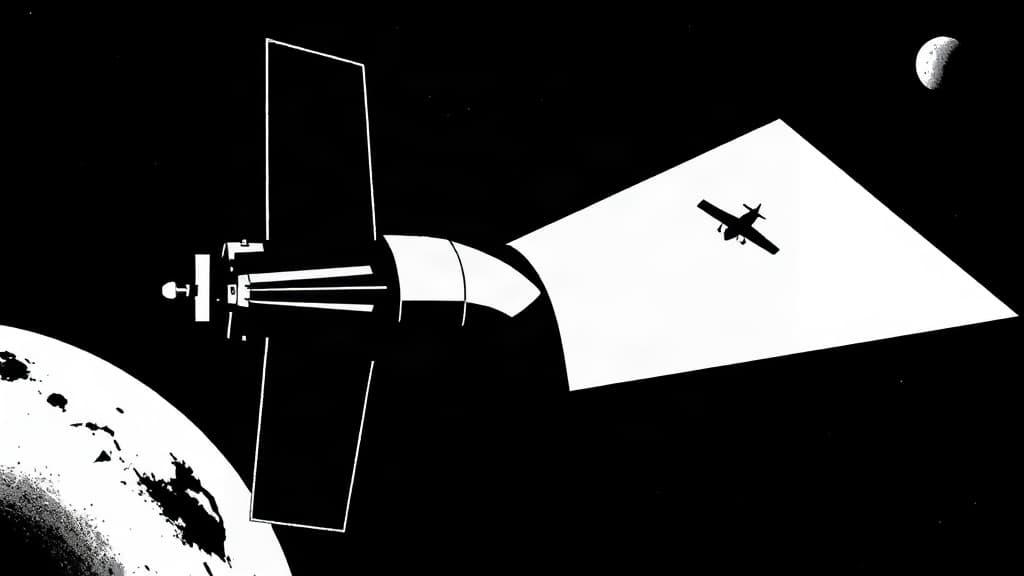
But here's what the ceremony obscures: Musk has refused to allow Starlink to operate over Russian territory. Zelenskyy told reporters last week he has sought U.S. help in persuading Musk to change his mind, but Musk believes expanding coverage would be "a significant and dangerous escalation," the AP reported.
That refusal has real consequences for Kyiv's war plans. Ukraine's drone campaign — which scored early successes hitting Russian logistics, particularly in Crimea — depends on Starlink connectivity. Without satellite coverage over Russia, long-range strikes can't maintain their links. Zelenskyy is "hoping he will reconsider," and the medal is part of that courtship.
Musk's influence over Ukraine's war effort is unprecedented for a private citizen. His decisions shape battlefield outcomes. Earlier this year, SpaceX did side with Kyiv by blocking unauthorized Starlink terminals that Russian forces were using in occupied territory. But the line on operations inside Russia holds.
The tension has already caused political fallout. A reported mix-up over whether SpaceX had approved Starlink use for operations inside Russia contributed to friction between Zelenskyy and his then-Defense Minister Mykhailo Fedorov, and led to what the AP described as "an awkward exchange" between Zelenskyy and President Donald Trump.
Musk has not commented on the award.
The question isn't whether Musk deserves the decoration — it's what Zelenskyy expects in return. Every medal from a foreign government comes with an implied ask, and in this case that ask is expanding a war American taxpayers are bankrolling. Musk has drawn a line at escalation. The medal is there to blur it.