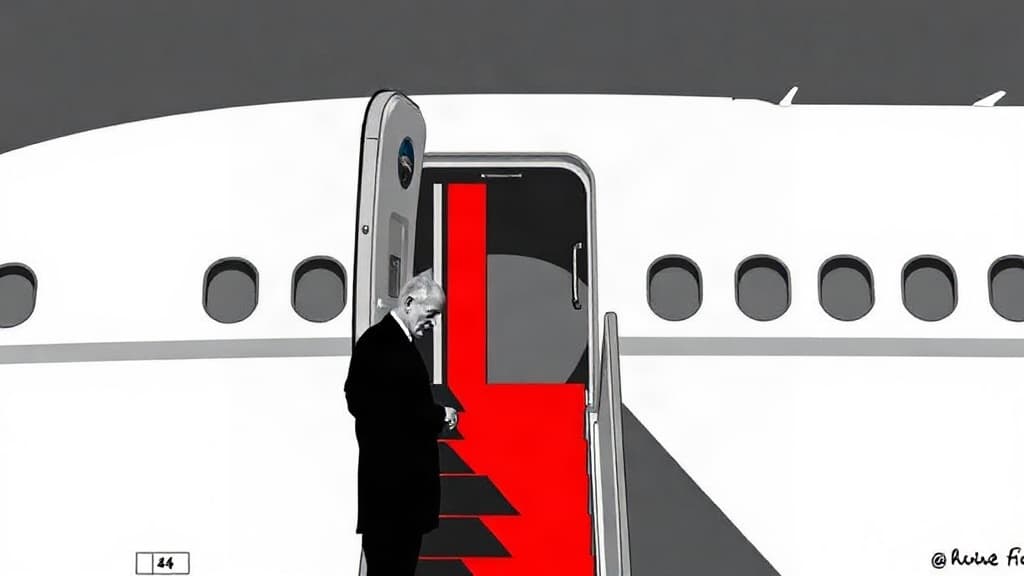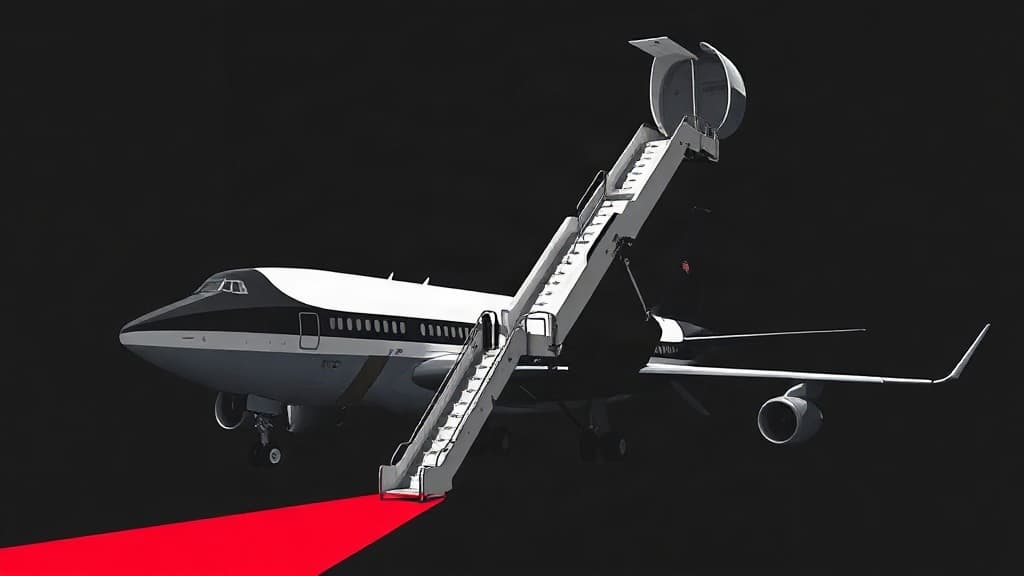
President Trump is defending the hunt for "treasonous" leakers who exposed a credible Iranian missile threat against his new Qatari-donated Air Force One, even as federal judges and Big Tech rally to shield the sources that forced him to swap planes mid-trip.
The establishment media is screaming about press freedom, but the leaked New York Times report detailed a specific plot by Iranian proxies to shoot down the president's aircraft—a life-and-death security gap that forced the Secret Service to abandon the $400 million Qatari jet for an older plane with missile-defense lasers. When leaking classified vulnerabilities puts a president in the crosshairs, it is deep-state sabotage, not journalism.
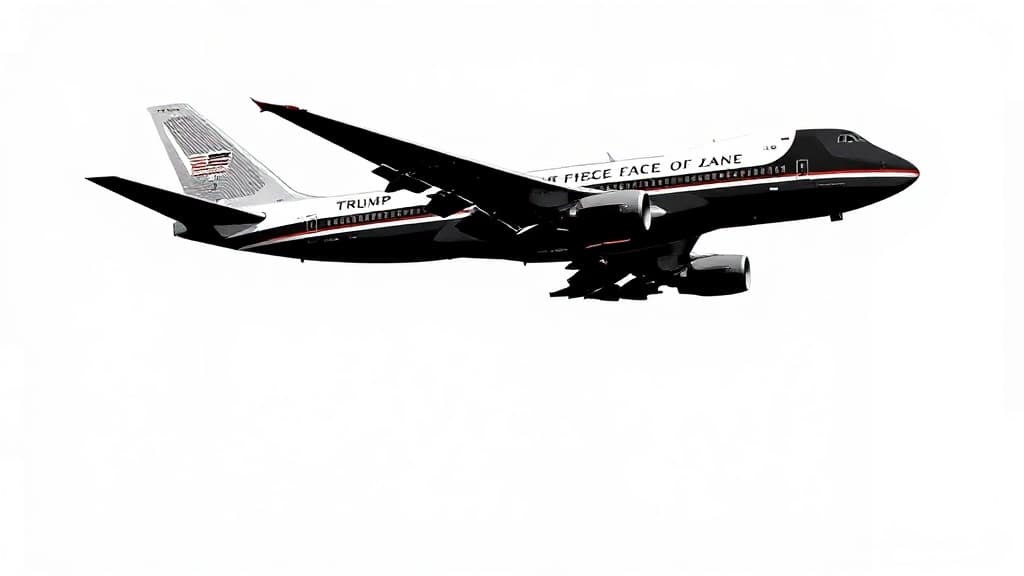
The leak originated in a Times article on security concerns regarding the new plane. CBS and The Guardian confirmed the stakes: U.S. intelligence detected a credible threat from Iranian proxy forces planning to fire a missile at Air Force One during the NATO summit in Turkey. The Secret Service swapped Trump to the older aircraft, which possesses laser technology to blind incoming munitions. The newer Qatari plane does not. Trump initially brushed off the swap, saying he used the older plane "for old time’s sake," but the White House now admits he will fly the legacy aircraft for a month while the Qatari jet gets "maxed out" with upgrades.
The Times framed the resulting DOJ probe as a "powerful push by Mr. Trump and his top aides to crack down on the news media." Trump disagrees. "We’re not after journalists," he told reporters in the Oval Office. "We’re after leakers. We’re after people that are cowards, people that are unpatriotic, people that are treasonous in many cases." He argued that journalists are the conduit to the leakers: "And the way you find them is through journalists."
The DOJ, however, botched the legal process. Prosecutors issued subpoenas to Times reporters just two days after publication. Judge Arun Subramanian grilled prosecutor Sean Buckley, asking, "Doesn’t that turn the law and the regulations on their head?" Facing a likely quash, the DOJ withdrew the subpoenas. Still, Acting Attorney General Todd Blanche and U.S. Attorney Jay Clayton—who is nominated to lead national intelligence—insisted under oath that they "followed the processes that we were required to follow." Clayton swore, "I’m confident that the procedures that we have in place — to protect the First Amendment and protect the freedom of the press and not result in intimidation of journalists or the like — were followed." The judge’s reaction tells a different story.
Big Tech is also circling the wagons. An unsealed filing revealed Google received a grand jury subpoena on July 16 for subscriber information tied to the probe, alongside a nondisclosure order. Google challenged the gag order, arguing the investigation was already public. Judge Subramanian vacated the order. Meanwhile, the security breach is escalating foreign tensions. Trump warned that "1,000 missiles" are "Locked and Loaded" to decimate Iran if they attempt an assassination. With a ceasefire deal broken, Trump is vowing "major military punishment" while claiming diplomacy remains possible.
The press frames this as a First Amendment crusade, but the open question remains: why did a $400 million foreign-donated aircraft lack the basic countermeasures to survive a missile strike, and are the leakers trying to warn the public or sabotage an administration flying a Qatari gift?