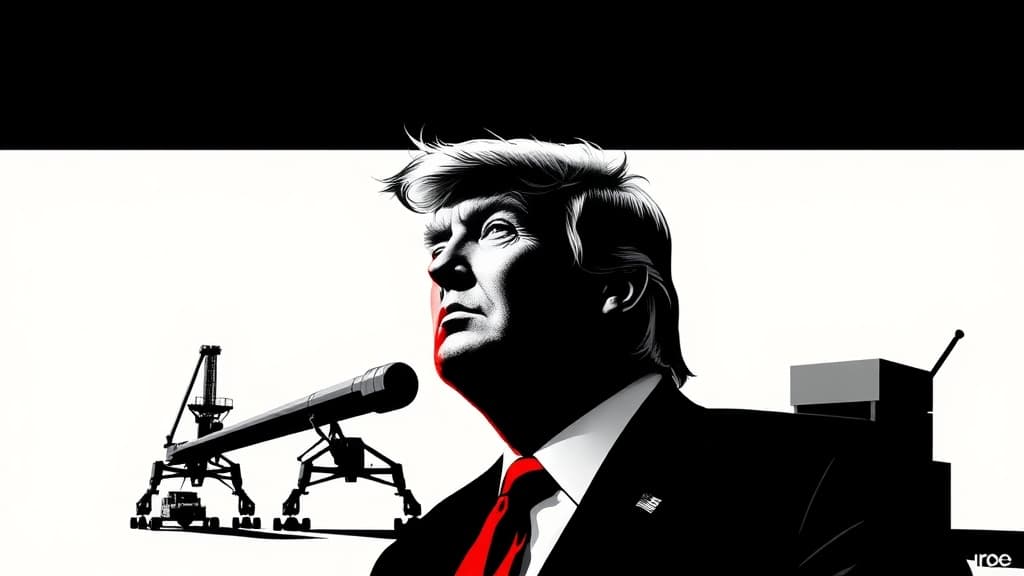
Trump's decision to temporarily lift tariffs on up to 300,000 metric tons of foreign beef has his own party in open revolt — and American ranchers wondering why they're expected to sacrifice so importers can flood the market with cheaper overseas meat.
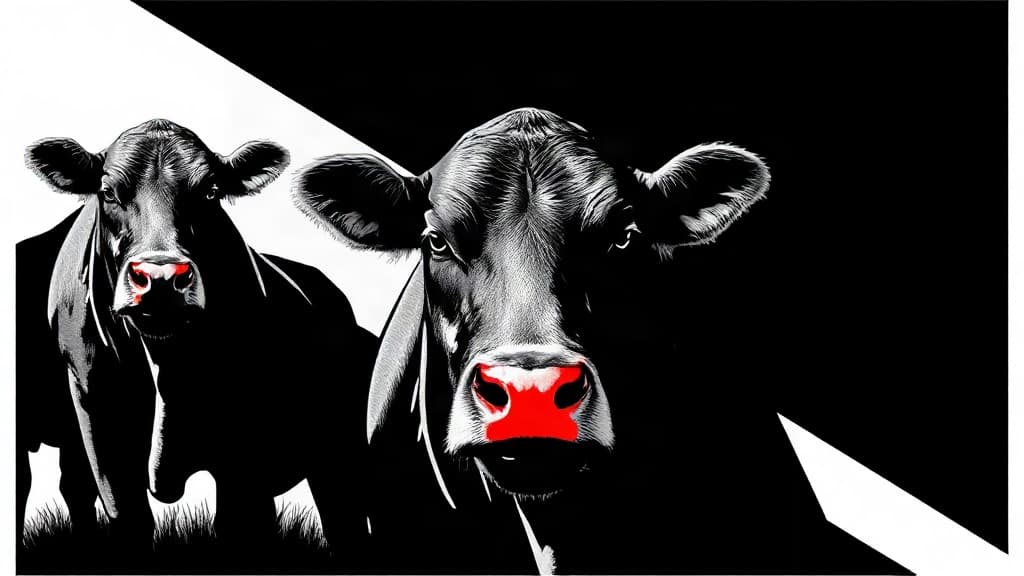
The stakes are straightforward. US cattle inventory sits at a 75-year low. Ranchers are already struggling to rebuild herds. Now the president who ran on America-first trade policy is promising imported beef will hit store shelves at 25% below current market prices. Trump framed it as a win for consumers: "This deal will reduce prices for Americans while giving space for our Great American Beef Herd to grow again."
Republican senators from cattle country aren't buying it. "Americans want US beef on the table – not foreign imports," wrote Wyoming senator John Barrasso, the majority whip. "Wyoming ranchers produce the highest quality beef in the world. Our ranchers don't ask for special treatment. They simply want a fair marketplace."
Nebraska senator Pete Ricketts, a Trump ally, called it straight: "Short term policy shifts do not equal long term solutions. Flooding the market with lower quality beef compromises Nebraska farmers and ranchers." Montana senator Tim Sheehy said he'd warned Trump "against this course of action for a year," adding that most American ranchers are "Maga Republicans" — and this policy makes it harder for them to rebuild.
Agriculture secretary Brooke Rollins defended the move as "a very short-term fix from the president's perspective" to get cheaper beef onto American plates. But when pressed on where the beef would actually come from, Rollins admitted she wasn't part of those conversations. "I am actually not part of any of those conversations, so I am not sure what that looks like," she told Spectrum News. The agriculture secretary doesn't know the source of the beef her department is expected to oversee. That alone should raise questions about who shaped this deal.
Congresswoman Ashley Hinson, running for Senate in Iowa, put it plainly on Fox News: "I think we need to focus on letting our cattle men grow their herd… it takes some time and it takes some resources, and so I think we should be letting market conditions to do what they do."
What neither the White House nor Republican critics have addressed is who profits from the import side. The major meatpackers and agribusiness middlemen — not ranchers, not consumers — move imported beef. That's where the money flows, and that's where the pressure to crack open this door almost certainly originated.
The same populist backlash is building elsewhere. In Texas, Trump-backed Senate candidate Ken Paxton just released a "Texas first" datacenter plan after his opponent James Talarico accused him of taking nearly half a million dollars from the datacenter industry while backing billions in tax handouts. Paxton now pledges to repeal sales tax exemptions and ensure datacenters don't raise Texans' electric bills — a sharp pivot after years of carrying water for the industry. A Fox News poll shows Talarico leading 51-48 in what should be a safe Republican seat, with 61% of Americans now opposing new datacenter construction in their area.
The pattern is familiar: politicians serve corporate interests until voters make it hurt, then scramble to rebrand. On beef, the question remains — who asked for this tariff pause, and who cashes in when American ranchers get undercut?