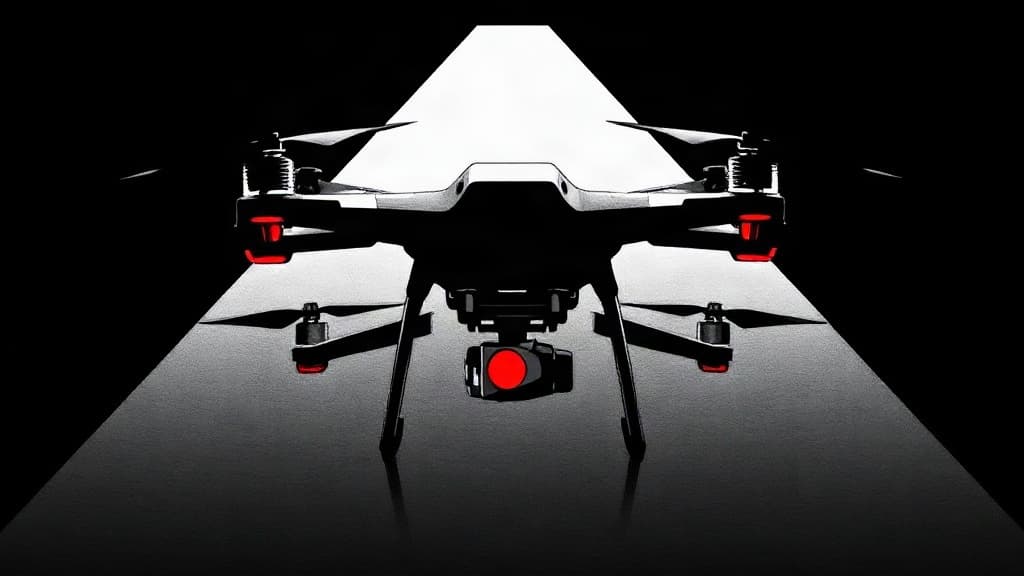
Prosper, Texas police used a drone and automated license plate readers to track and arrest a 27-year-old Dallas man for online solicitation of a minor — and every American who cares about the Fourth Amendment should be paying attention to how they did it.
Luke Charles Epley was booked into the Collin County Jail on a second-degree felony charge after arranging online to meet a 15-year-old in Prosper, according to a Prosper Police Department release. Epley turned back toward Dallas before reaching the meeting spot. Detectives tracked his vehicle south using license plate recognition cameras and a department drone, then coordinated with Carrollton police to arrest him without incident. Additional charges could follow.
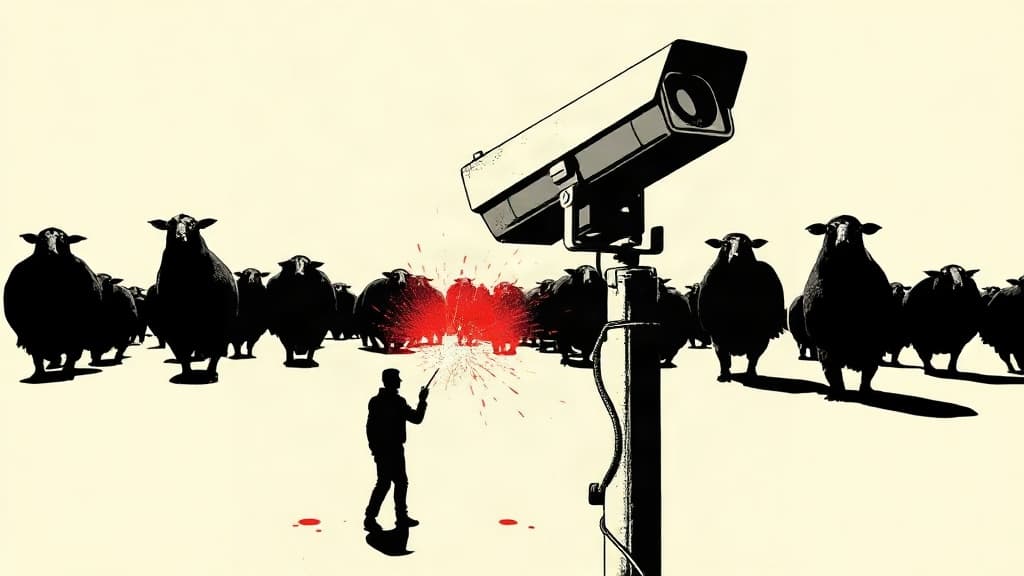
Nobody is shedding tears for a man accused of soliciting a child. The problem is the method — and the precedent. Prosper Police Chief Brent Brown called it "proactive police work, regional law enforcement partnerships, and modern investigative tools" that allowed detectives "to intervene before harm could occur." That's the sales pitch every time the surveillance state expands: we used it on the worst guy, so don't ask questions.
The Dallas Morning News ran an editorial urging Texas lawmakers not to restrict Flock cameras — the automated license plate reader system at issue — framing opposition as "knee-jerk reactions" and highlighting cases where the technology helped recover abducted children. The editorial buried the constitutional argument: the 5th Circuit Court of Appeals is currently weighing whether Flock-assisted arrests violate the Fourth Amendment. In one pending North Texas case, Charles Brownlee — convicted of robberies and sentenced to 60 years — argues that Flock surveillance was an unwarranted search. Federal prosecutors counter that the cameras capture only "episodic" data on public roads, unlike GPS trackers or cell phone location data, which the Supreme Court has already classified as Fourth Amendment searches.
The 5th Circuit has already ruled against a Mississippi felon who made the same argument, writing that plate readers' limitations distinguish them from cell tracking technology, which reveals "an intimate window into a person's life." But that reasoning cuts both ways: the Supreme Court's GPS and cell-site decisions were supposed to draw a line, and law enforcement keeps finding ways to step around it. Drones hovering over American streets, tracking vehicles without a warrant, look a lot like the GPS tracking the Court already found unconstitutional — just with a different brand name.
Texas legislators are now debating proposals to restrict or ban automated plate readers, with some pushing for warrant requirements and others seeking outright prohibition. The Dallas Morning News editorial board wants lawmakers to "move cautiously" and consider that warrants might "delay officers in life-and-death situations." That's the same argument used to justify every end-run around the Constitution since the Patriot Act.
The founders didn't write the Fourth Amendment to protect criminals. They wrote it to protect citizens from a government that might one day decide the definition of "criminal" includes them. Today it's a drone tracking an accused predator. Tomorrow it's a drone tracking a parent at a school board protest.
The courts will sort out where the constitutional line falls. The question for Americans is whether they trust the government to color inside it.