An Obama-appointed federal judge ruled Tuesday that President Trump's name cannot appear on the Kennedy Center in any form — the second time he has overridden the board of a taxpayer-funded institution that the sitting president chairs.
The ruling raises a straightforward question: when a single unelected judge can block how a public building recognizes the president who secured its renovation funding, who actually controls the people's property?
Judge Christopher Cooper wrote that "defendants cannot install memorials for President Trump or anyone or anything else at the Kennedy Center without Congress's blessing," citing a 1983 amendment to the center's founding statute that bars additional memorials in public areas without legislative approval.
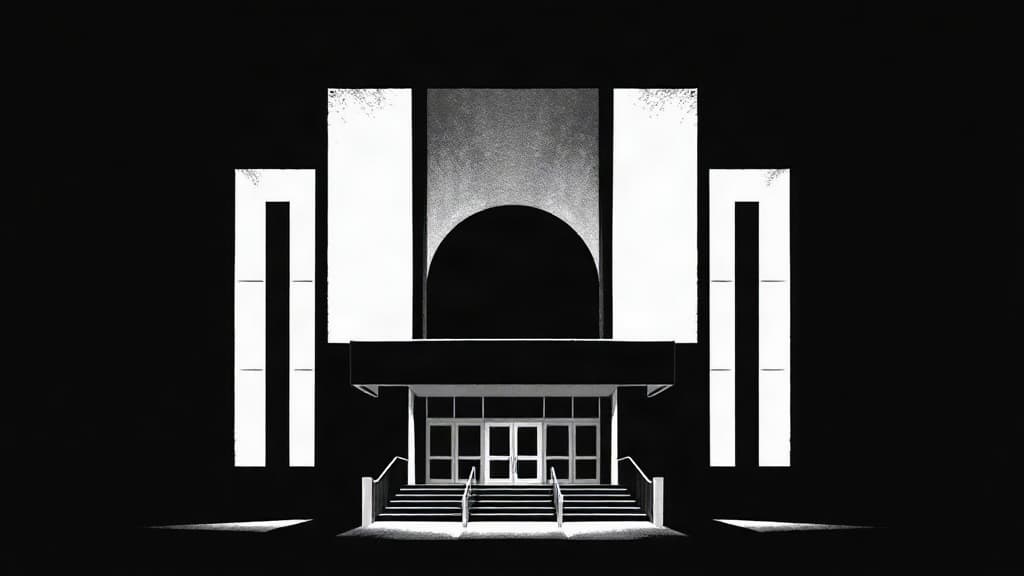
The Trump-aligned board voted in August to inscribe the facade so it would read "The John F. Kennedy Center for the Performing Arts Restored and Renovated By President Donald J. Trump," with the plaza renamed "The President Donald J. Trump Plaza." If the Trump Kennedy Center Fund reached $100 million, a second inscription would read "Endowed by the Trump Kennedy Center Fund," according to the Anchorage Daily News.
Commerce Secretary Howard Lutnick, whose wife sits on the Kennedy Center board, compared the move to how hospitals and colleges honor major donors. The Justice Department argued that blocking the inscription would dry up donations and leave the center short of renovation funds.
Cooper wasn't persuaded. He wrote that DOJ offered "no proof that current or future donations hinge on President Trump's being on the building" and "no competent proof that removing the Trump name would prevent the Center from fulfilling its artistic mission," per CNBC.
The lawsuit was brought by Rep. Joyce Beatty, an Ohio Democrat and ex-officio board member. Her attorney Norm Eisen — a perennial Trump antagonist — called the board's actions an "outrageous act of hostage taking," writing on X: "Pay up or the Kennedy Center closes, & the price is Trump's name on the building," The Guardian reported. Eisen declared Tuesday that the board had "backed down" on the renaming push but would proceed with a vote to close the building entirely for renovations, citing "recently exacerbated structural emergencies."
Beatty's lawyers dispute the safety claims, noting the consultants cited, Delta Consulting Group, "expressly disclaimed" reaching any conclusion that the building is unsafe for occupancy. Lutnick posted security video showing debris falling in the grand foyer, which Trump shared on Truth Social.
The institutional fight traces back to February 2025, when Trump installed himself as chair, fired the board and longtime president Deborah Rutter. Current leadership claims Rutter's team ran a "falsified" budget with $26 million in "phantom revenue" — Rutter and former board chair David Rubenstein deny this, citing independent audits.
The judge has a statute on his side — Congress did pass that 1983 law. But the broader pattern is unmistakable: an Obama appointee, ruling on a suit brought by a Democratic member of Congress represented by one of Trump's most prominent legal antagonists, is dictating what can and cannot appear on a building funded by the public. The law may be clear. So is the power dynamic.