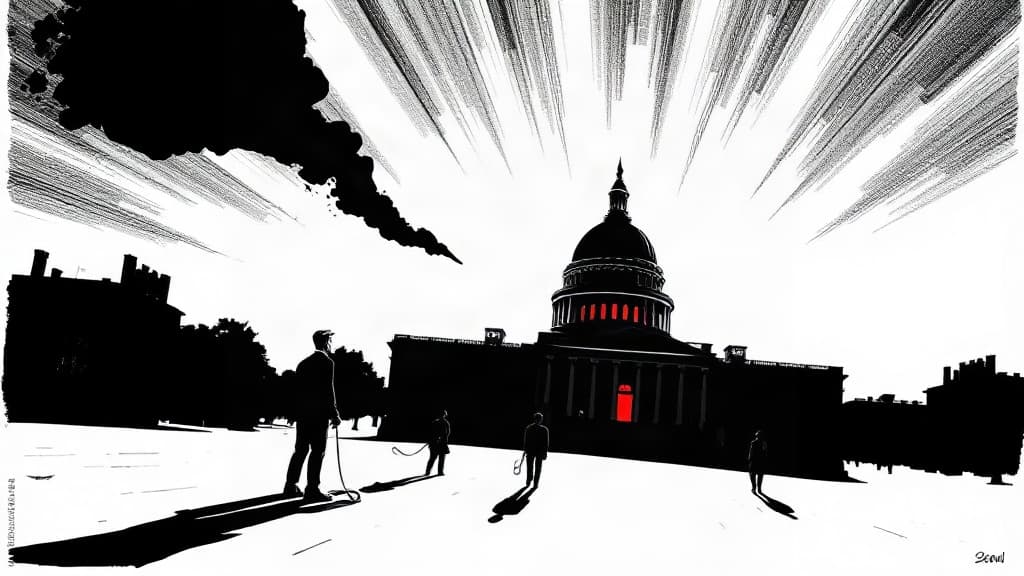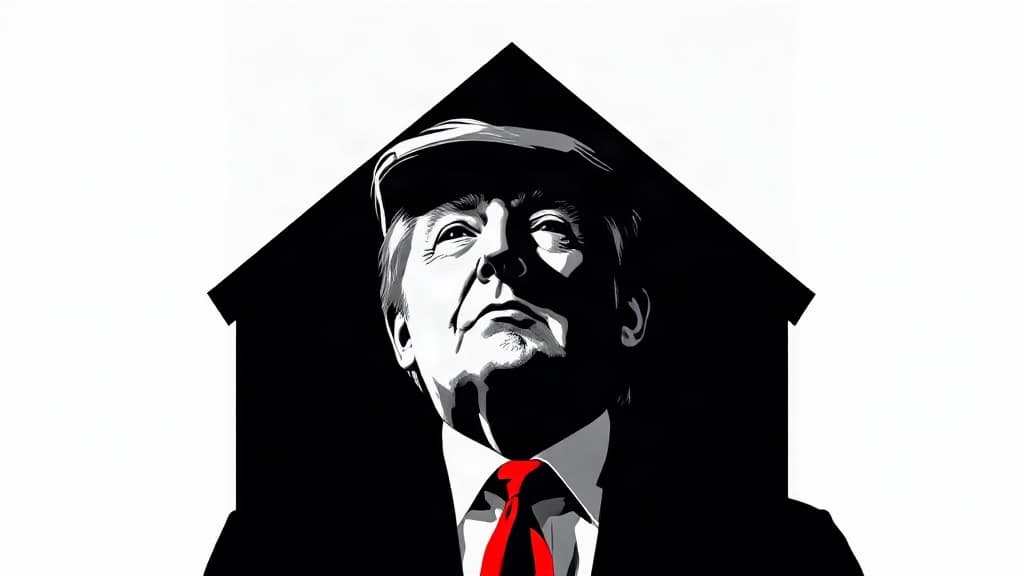
House Republicans are circulating a memo declaring their strongest position in 20 years — but the fundraising edge and favorable map paper over a record of unfulfilled promises on immigration, spending, and accountability that working-class voters were sold.
The NRCC memo, reported by the Washington Examiner, touts a $13.7 million cash advantage over the Democratic Congressional Campaign Committee and a battlefield where Democrats must defend 23 seats President Trump won in 2024, compared to just eight Republicans sitting in Harris-won districts. The Supreme Court's June ruling striking down limits on coordinated candidate-party spending means that cash advantage can now flow directly into campaigns. The memo names five Democratic-held targets: Maine's 2nd (open seat, Jared Golden retiring), North Carolina's 1st (redistricted, Don Davis), New Mexico's 2nd (Gabe Vasquez), Texas's 34th (Vicente Gonzales), and Washington's 3rd (Marie Gluesenkamp Perez).
Strip the spin, though, and the picture darkens. The party in the White House hasn't gained midterm seats since 2002. Trump lost 41 House seats in his first midterm. His approval rating now sits 23 points underwater, according to the Economist — the lowest mark of his second term. The generic ballot advantage for Democrats has shrunk from seven to five points, but it still favors them. And the Examiner's own reporting notes the memo concedes the next 100 days will be a "knife fight."
Then there's the war. The Associated Press and the Boston Globe both report that Republicans are "confronting the unpopularity of the war with Iran" — a conflict nobody voted on, with no defined exit, and no articulated U.S. interest beyond the president's say-so. Democrats are seizing on voter disapproval and pivoting to kitchen-table economics. Jeffries on Sunday unveiled the party's "Fighting for an Affordable America" agenda, saying the goal is "making clear to the American people that we're focused on lowering the cost of groceries and gas and housing, we're committed to a country that provides affordable health care for every American."
That's a Democratic line, but the question it exploits is real. Republicans are counting on the One Big Beautiful Bill Act — tax breaks and spending cuts — to buoy them. They're also pointing to a House-passed measure limiting lawmaker stock trading. But groceries and gas are still expensive, the border was the signature America First promise, and the memo doesn't list a single immigration enforcement result. Trump's rallies, per the AP, devote time to "opposing transgender rights and criticizing judges" — culture war territory that fires up the base but doesn't lower a grocery bill.
The Globe and AP framed the race as a referendum on the president, noting Trump's military action against Iran and economic policies are "reshaping the political landscape." The Examiner framed it as structural GOP advantage. Neither outlet pressed on the gap between what Republicans promised working-class voters and what they've delivered with the majority they already hold.
Fewer than 20 seats are genuine toss-ups. Speaker Mike Johnson is planning a cross-country fundraising tour. Pennsylvania's 7th District — where retired firefighter Bob Brooks is challenging freshman GOP Rep. Ryan Mackenzie — is ground zero. Trump visited the district to promote Mackenzie. Josh Shapiro, a potential 2028 Democratic candidate, stood with Jeffries.
The memo is a sales pitch to donors, not a report to voters. The cash is real. The map is real. The question is whether structural advantages can compensate for a majority that hasn't delivered on the promises that built it.