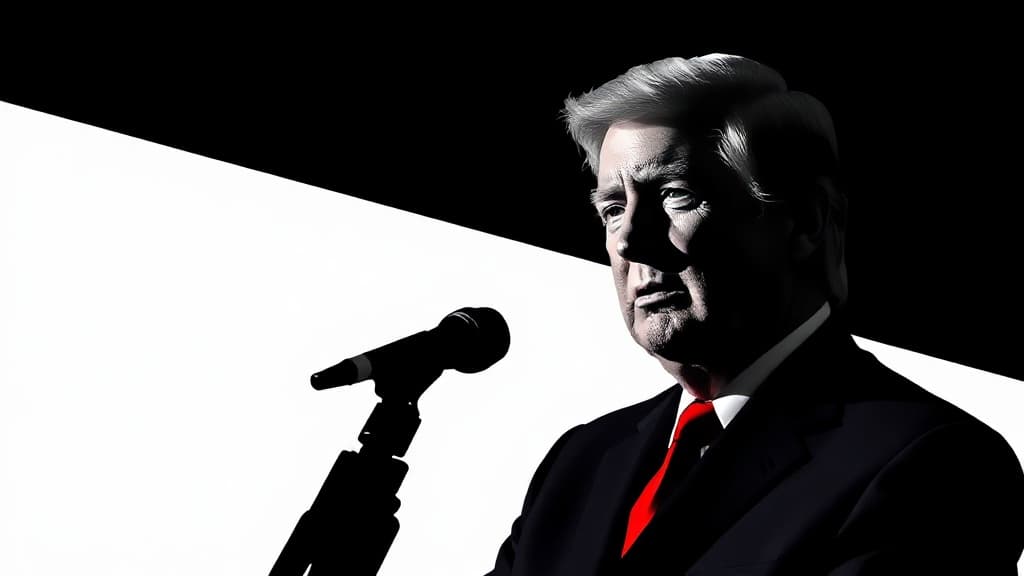
Rep. James Comer says out loud what most Republicans only whisper: the Democrat-media establishment wants Trump to fail on Iran so badly they're effectively cheering for the other side. The problem? Trump's own administration just handed Tehran a sanctions waiver that could be worth $60 billion a year.
Comer told Newsmax that Democrats and outlets like the New York Times "want America to fail" and were "probably rooting for Iran, unfortunately." He warned that press criticism signals weakness to Tehran and emboldens hardliners at the negotiating table. "You have so many Democrats and so many liberal newspapers like The New York Times that are sending a signal to Iran that there's weakness on the part of the United States," Comer said.
He's right that the establishment press carries water for a narrative. HuffPost framed the negotiations around Trump's "inflammatory statements" and noted the deal has drawn "widespread criticism," while burying the actual terms. The New York Post, by contrast, led with the sanctions waiver and Vance's defense of it.
And that waiver is the story ordinary Americans should be watching. The Treasury Department formally waived oil sanctions on Iran for two months, through August 21, according to the Post. The waiver could net Iran up to $60 billion annually. Vice President JD Vance defended the move, claiming the sanctions were difficult to enforce before the war and didn't impede Iran's exports — which largely flow to China.
Vance also claimed any unfrozen Iranian assets would go toward purchasing "American soy, American corn, and American wheat for the benefit of the Iranian people." That's a big promise. Follow the money: Iran gets sanctions relief, China keeps getting oil, and American farmers supposedly get a new customer. Whether that holds up is another question entirely.
The negotiations themselves were tense. Trump told Fox News he warned Iranian leaders about the Strait of Hormuz: "You close it, and you won't have a country. You won't even make it back to your f**king country." Vance confirmed to reporters in Lucerne that the Iranians threatened to walk out but said talks continued past 1 a.m. "Yes, there was a little bit of threatening. There was a little bit of whining, but at the end of the day, the talks continued, and we made great progress," Vance said, per HuffPost.
Iran also agreed to allow United Nations inspectors access to its nuclear sites, the Post reported. Vance described the current state as a foundation: "The final deal is the house. We set the foundation, we haven't built the house, but we've laid a successful foundation to get to a good place for the American people."
Comer praised Trump's "guts" in holding Iran accountable and insisted that "if there's one country in that region that would pull the trigger on a nuclear weapon, it would be Iran." He warned that underestimating Trump would be to Iran's "own peril."
But here's the tension Comer doesn't address: you can't simultaneously claim you're holding a regime accountable and hand it a $60 billion sanctions holiday. The media-Dem complex does reflexively oppose anything Trump does — even when he's trying to prevent a nuclear Iran. The real measure of accountability, though, isn't tough talk. It's whether this deal actually stops Tehran from getting the bomb, and whether the American interest — not Iran's, not China's — comes out ahead. The foundation is laid. Americans will find out soon enough who's moving in.