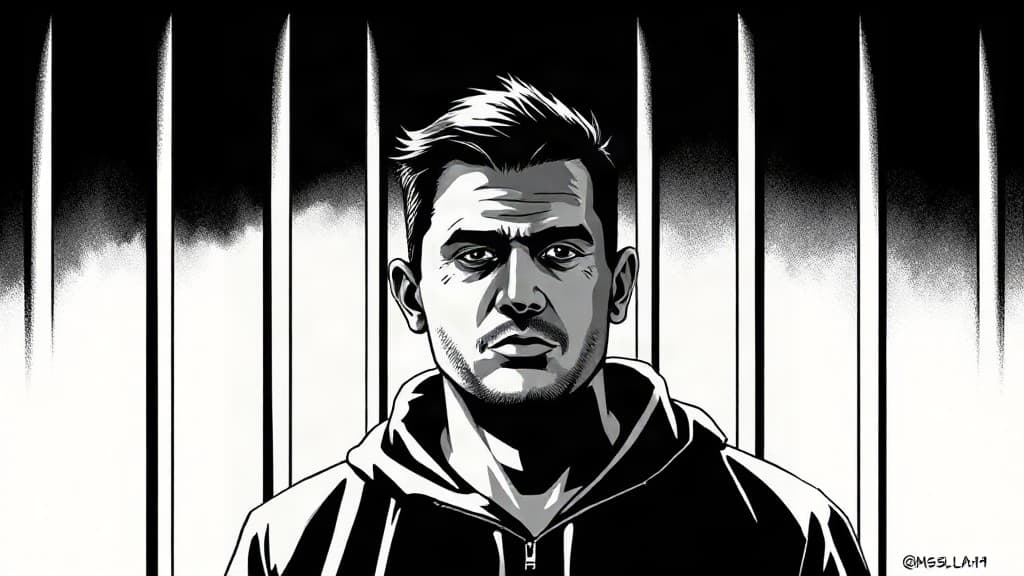
Mark Zuckerberg spent years building the most sophisticated speech-suppression apparatus in American history, and now he wants to put artificial intelligence in charge of even more of what you see, hear, and think. The founders would have burned Meta to the ground.
A new film, Aaron Sorkin's The Social Reckoning, revisits the 2021 Facebook Files leak that exposed how the platform's own researchers knew Instagram worsened teenage girls' body image and how the company prioritized engagement over safety. The whistleblower at the center of it all, Frances Haugen, is now sounding the alarm on Zuckerberg's AI push — and she's confirming what every American who had a post throttled or an account shadowbanned already knows: the company hasn't changed.
"I have not seen a culture change that shows that they have…turned a new leaf," Haugen told Fortune this week. She called Zuckerberg's AI efforts "playing with fire," driven by his desire for a positive legacy. A legacy built on the ashes of other people's voices.
Here's what makes AI concentration in Big Tech hands the single greatest threat to free speech in American history: scale and opacity. When a handful of companies control the algorithms that determine what billions of people can say and see, and those algorithms operate as black boxes even their own creators can't fully explain, you don't have a marketplace of ideas. You have a company town where the company writes the constitution.
Haugen's solution — independent auditors with "employee-like access" to frontier AI labs, modeled on bank regulation — is better than nothing. She's right that "slowing down just means whoever doesn't want to slow down wins." But auditing a system after it's already shaping public discourse is like auditing an election after the votes are counted. The damage is done.
The Hartford Courant's family guide to the new film notes its core lesson: "Always do what's right in your own moral compass, do not toe the party line just for financial gain." Sound advice. Also exactly what Haugen did when she walked out with tens of thousands of pages of internal documents, handed them to the Wall Street Journal, filed SEC complaints, and testified before the Senate.
But individual whistleblowers can't fix structural tyranny. Meta is still behind frontier labs like Anthropic and OpenAI, and Fortune notes Zuckerberg has been "prominent in pushing back on regulatory efforts." Of course he has. Regulation would mean accountability, and accountability would mean the censorship machine gets a public inspection it can't survive.
The question isn't whether AI is dangerous. It's whether Americans will accept a future where a few tech oligarchs — men who spent the last decade demonstrating their contempt for the First Amendment — control the most powerful speech-shaping technology ever invented. The founders didn't fight a revolution to trade a king for an algorithm.