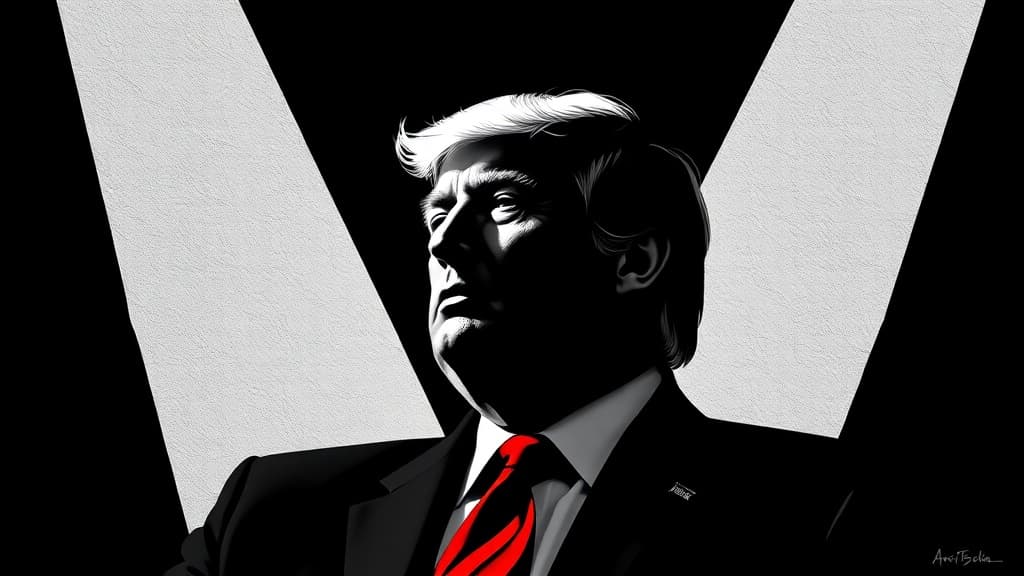
Trump's push to rebuild American defense and semiconductor muscle is working — and a retiring Democratic congressman just pocketed the proof.
Rep. Dwight Evans of Pennsylvania disclosed selling Intel and General Dynamics stock on June 10, walking away with profits as high as 366% on Intel and at least 42% on General Dynamics, according to Benzinga. Intel hit all-time highs on the back of surging demand and a government stake in the company. General Dynamics rode the Trump administration's push for a higher defense budget. The returns are real. The problem is who's capturing them.
Evans bought Intel shares as low as $23.90 in April 2025. He sold at $111.50. He bought General Dynamics as low as $245.63 in 2022. He sold at $349.00. Over a decade in the House, Evans has logged more than 180 trades worth $2.1 million, per Quiver Quantitative data cited by Benzinga. Now he's retiring — convenient timing for a politician who won't have to answer for any of it.
Here's what the establishment won't admit: Trump's model of investing in American capacity actually works. Intel's resurgence isn't market magic — it's policy. The government took a stake, demand followed, and the stock responded. That's what happens when you bet on American industry instead of shipping dollars overseas to fund proxy wars that never end.
But the defense side of this rally tells a murkier story. Benzinga reports General Dynamics got its boost not just from Trump's budget, but from "ongoing tensions in the Middle East." That's the interventionist tax: every foreign entanglement pumps contractor share prices while American families pay the tab. The establishment wants more of it. Trump's instinct — rebuild the base, invest at home — threatens that entire gravy train.
Meanwhile, the administration is fighting its own flank to get the Railway Safety Act into the surface transportation bill after the East Palestine disaster, as Newsmax reported. Trump and Vance are pushing it. Conservative groups are resisting. That's the tell: when the focus shifts to protecting American communities instead of projecting power abroad, the usual allies get uncomfortable fast.
The lesson is simple. American investment pays dividends. The question is whether those dividends flow to the people who earned them — or to the politicians who trade on the policies from the inside.