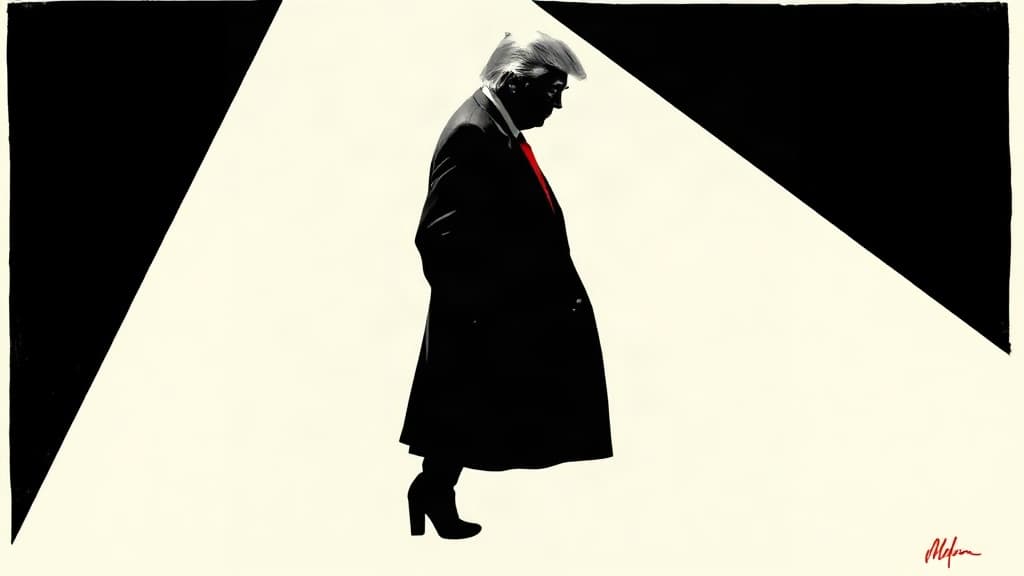
Trump caught a genuine engineering flaw in a nearly finished White House helipad — a visible slant on a helicopter landing surface — and ordered crews to rip it out and rebuild it. The press called it a "fit of rage."
The Atlanta Black Star headlined its story "Trump Torches White House Project in a Fit of Rage After Spotting One Glaring Mistake," framing a president who spotted a defective government construction project as emotionally unstable. Forbes, to its credit, kept it clinical: "'Dissatisfied' Trump Orders Changes To White House Helipad." Same facts, wildly different framing.
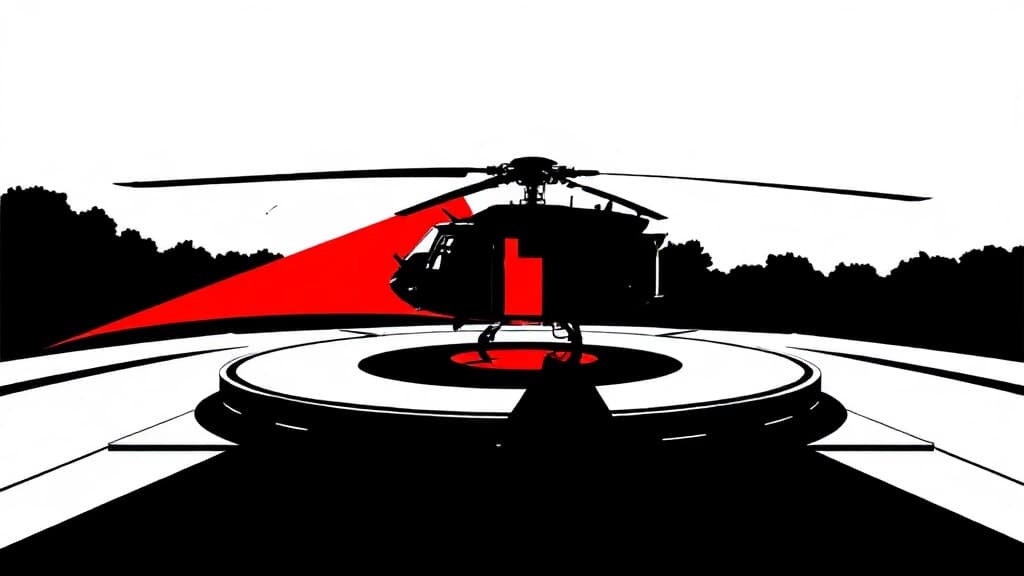
Here's what actually happened. After weeks of around-the-clock construction on a new granite helipad on the South Lawn — complete with a 100-foot presidential seal — Trump noticed the nearly finished landing pad had a noticeable slant. He ordered a full rebuild so the surface would sit level with the horizon. Contractors have already torn out sections, including part of the seal.
A slanted helipad isn't a cosmetic gripe. It's the kind of defect that gets people killed. Trump's own explanation for the project was practical enough: for 50 years, presidents have landed helicopters on wet, soggy grass. The new Marine One fleet runs engines 2½ times more powerful than the old ones, and they rip up the lawn on landing. "Has anybody ever thought of a helipad?" Trump asked military officials. Instead of a slab of concrete, he pushed for black granite with the presidential seal.
The Real Story: Spending and Accountability
The helipad is one piece of a much bigger spending picture. Forbes reports Trump has launched 18 major construction projects across Washington, D.C., with a total estimated cost of $1.2 billion, according to a New York Times analysis. A White House official told the Times taxpayer money would fund most of them. The crown jewel is a $600 million White House ballroom. There's also the Lincoln Memorial Reflecting Pool repair — beset by persistent algae and a peeling liner — where costs have climbed and Trump has blamed alleged vandals.
That's where the real questions live. Who's getting these contracts? Atlanta Black Star's social media roundup captured the public mood: "Was this another no bid contract?" one user asked. Another wrote, "If it is one thing Trump knows, it's how to overrun project costs." Forbes noted Trump skipped the U.S. Commission of Fine Arts review process for the helipad — past presidents sought approval for White House grounds changes. A White House spokesperson claimed "operational upgrades" don't require commission reviews.
The Framing Game
The media's instinct here is revealing. A president identifies a real defect in a government project and demands it be fixed — and the story becomes his temperament, not the contractor's work. Atlanta Black Star leaned on social media mockery — "not enough gold leaf," "elect a clown, expect a circus" — while burying the legitimate engineering concern. Forbes gave the slant one mention and moved on to the spending totals.
The press has done this before and will do it again: accountability gets reframed as volatility. The question worth asking isn't whether Trump was angry. It's who built a slanted helipad on the people's dime — and whether anyone will be held responsible for the rework costs.