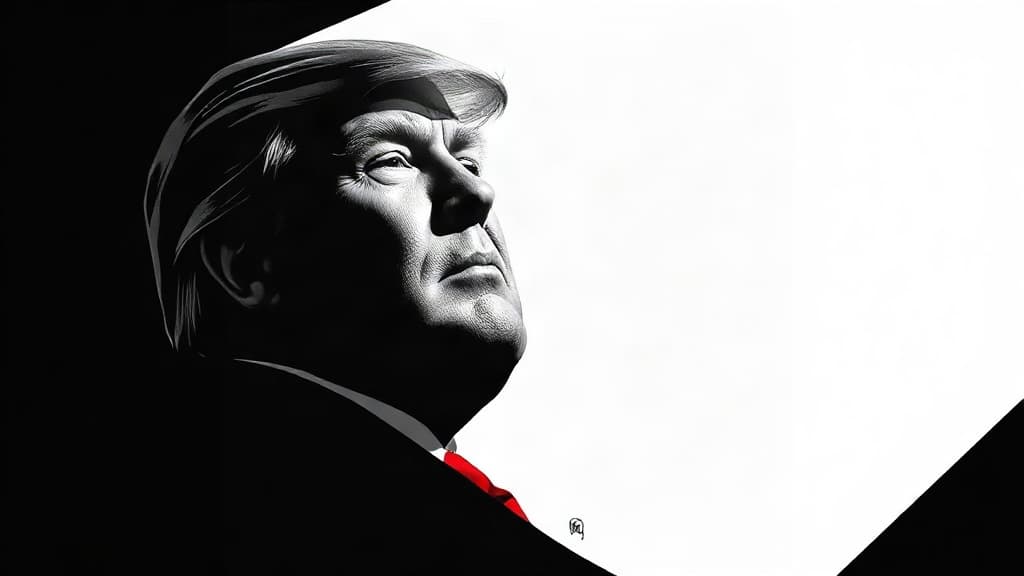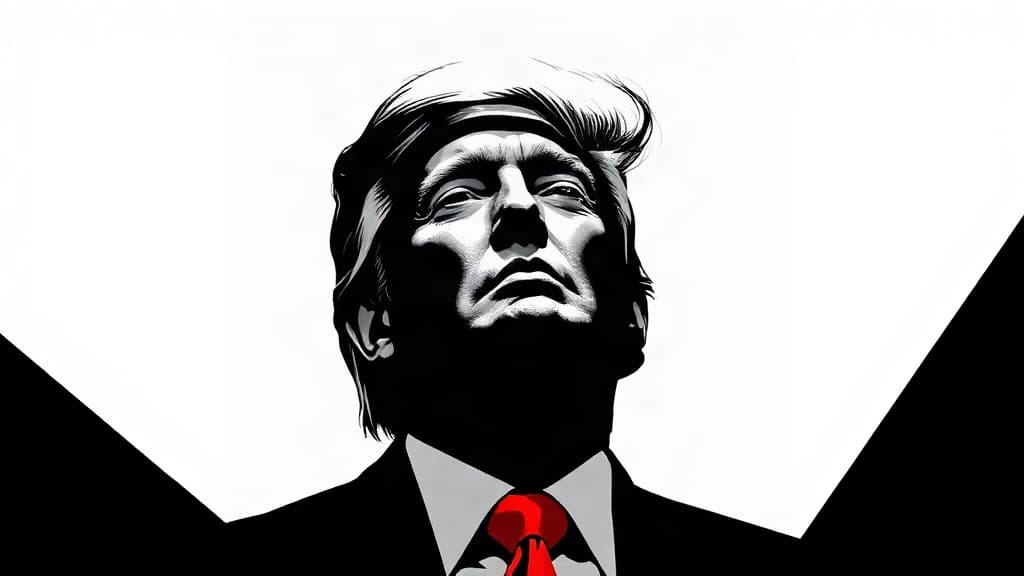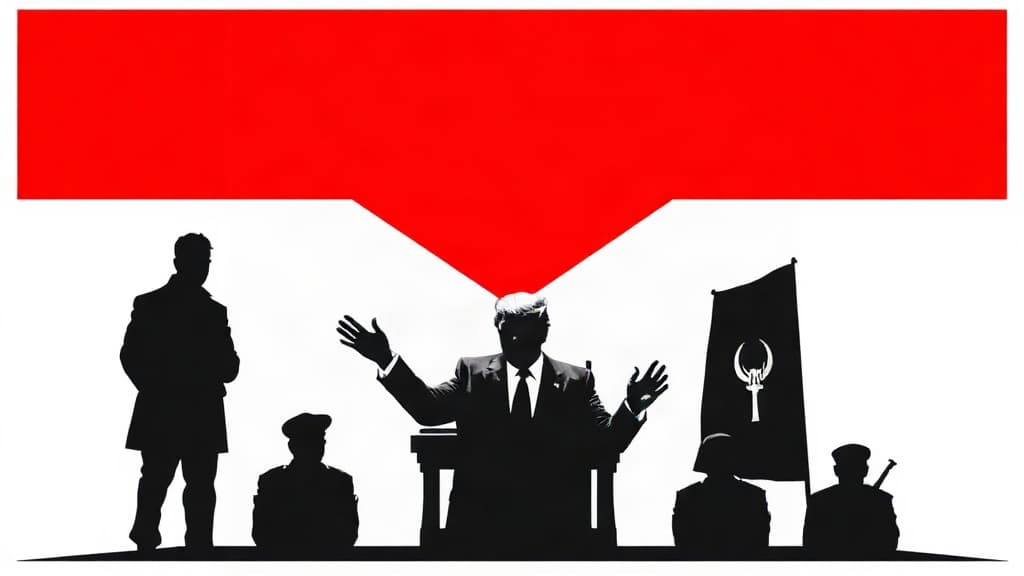
President Trump says toppling Iran's Islamic regime is "probably doable" — and the fact that the option is even on the table tells you how fast America-first drifts into another nation's war.
Trump told the New York Post in an Oval Office interview that Israel's goal of regime change in Iran is achievable but not his objective. "I just don't want them to have a nuclear weapon," he said. "I was never for or against regime change, that was never a criteria for me."
Good instinct. Now look at what's happening around that disclaimer.
Israeli Prime Minister Netanyahu directed his military, the Mossad, and the broader defense establishment last month to pursue the overthrow of the Iranian regime. Israeli Defense Minister Israel Katz briefed reporters Tuesday on preparations for renewed military action, with Israeli media reporting the Mossad is spearheading the regime-change effort. Meanwhile, according to Breitbart, NBC News reported that Trump administration officials are debating whether targeting senior Iranian leaders could help end the conflict — some arguing it would increase pressure on Tehran, others warning it could undermine negotiations.
That's regime change by another name, and a foreign government is openly driving the agenda.
The war Trump launched in February was supposed to take "four weeks or so," the Post reported. It's now November. There was a ceasefire in April, a memorandum of understanding in June, and then it collapsed when Iran attacked commercial ships. Trump declared the conflict "effectively over" this month — yet here we are, with a naval blockade he calls the "greatest in history," a war "funded through January," and signals of further major military action after the new year.
Breitbart framed the story around Trump's military successes — Iran has "no army," "no navy," "no air force," as the president said at Tuesday's turkey pardon — and the risk that Democrats might squander the "win." The Post gave more of the timeline that exposes the problem: a four-week war entering its tenth month with no defined exit. Neither outlet connected the regime-change discussion to the disasters it produced in Iraq, Libya, and Syria.
Vice President JD Vance vowed last week that Trump would not allow the conflict to become another "forever war." We've heard that before. Bush stood under a mission accomplished banner. Obama said Libya would take days, not weeks. The road to forever war is always paved with leaders insisting it'll be short.
Trump's warning that congressional Democrats could "take a total win and make it a loss" by curtailing operations gets the problem backwards. The threat isn't that one party wants to stop a war and the other doesn't. The threat is that neither party asks the questions that matter: what is the defined U.S. interest, what does it cost the American taxpayer, and what is the exit? A war launched on a four-week timeline that's now funded through next year isn't a win waiting to be squandered — it's an open-ended commitment dressed up as victory.
Treasury Secretary Scott Bessent announced sweeping sanctions Monday targeting Iran's shadow banking network — "the last financial lifeline of a bankrupt regime," he called it. Economic pressure beats bombing. But sanctions and blockades are still acts of war, and no war ends because a Treasury secretary says the other side is hurting.
Trump told the Post that "this war started in 1979." He's right. And that's exactly why the United States shouldn't be the one trying to finish it. We've been entangled in the Middle East for nearly half a century, and every president who promised to settle the score has only deepened the hole.
Trump says regime change isn't his goal. But his closest ally in the region is openly pushing it, his own officials are debating it, and the war he said would take four weeks is now funded through next year. The question isn't whether Trump wants regime change. The question is whether the machinery around him — and the foreign interests pushing it — will let him say no.