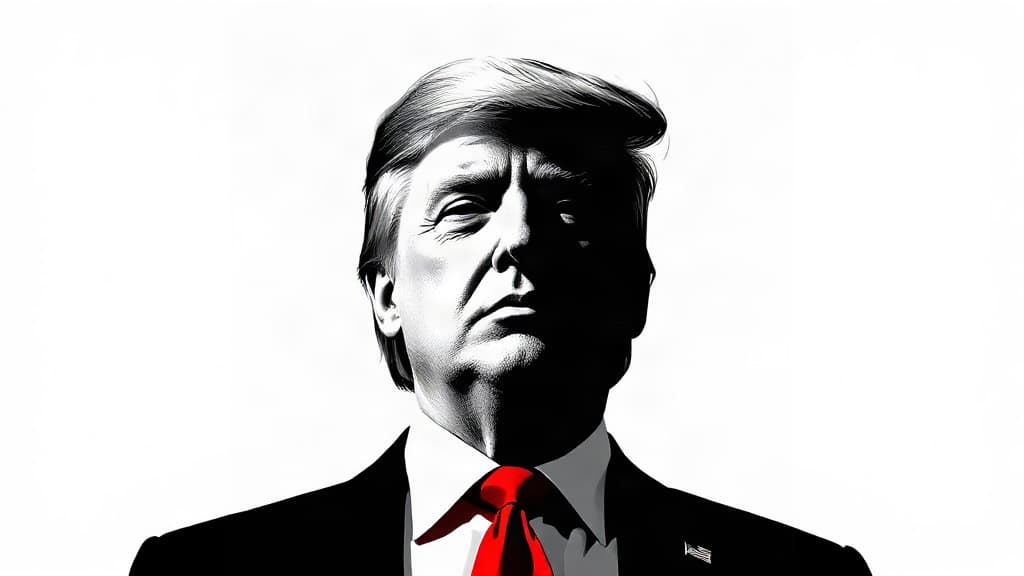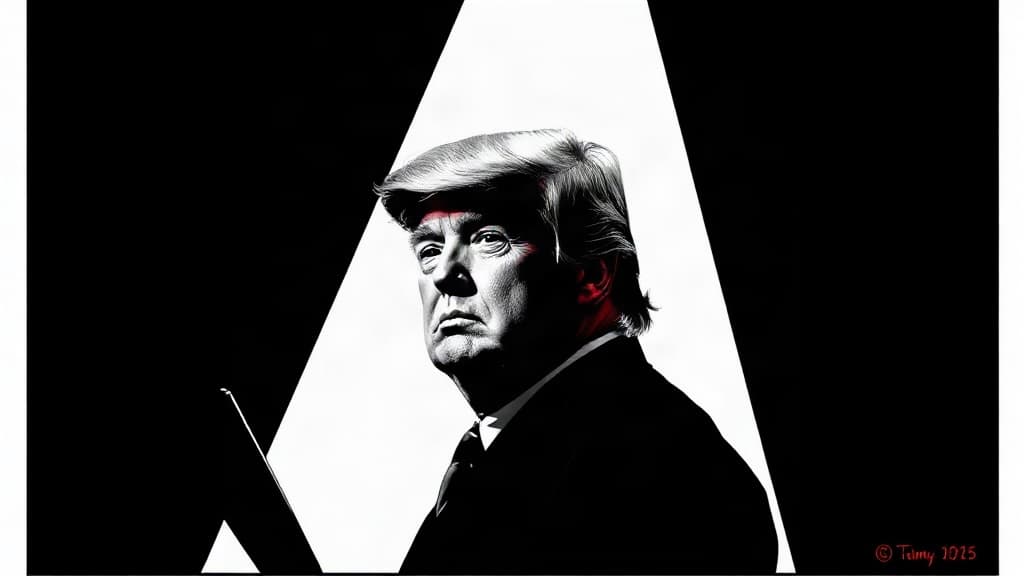
President Trump granted a posthumous pardon to Pete Rose on Thursday, closing a decades-old wound that baseball's establishment refused to heal while steroid cheats and domestic abusers kept their Hall of Fame passes.
Rose — 4,256 career hits, the most in baseball history — was permanently banned from the game in 1989 after an investigation by attorney John Dowd concluded he bet on baseball games while playing for and managing the Cincinnati Reds. He also pleaded guilty in 1990 to two felony counts of filing false federal income tax returns, failing to report hundreds of thousands in gambling winnings and memorabilia sales. He served five months in a federal prison camp, paid a $50,000 fine, and did 1,000 hours of community service. The man paid his debt. The establishment still wasn't satisfied.
"I have just given a Complete and Total Pardon to the Late, Great Pete Rose, a true Baseball SUPERSTAR & LEGEND, whose record of 4,256 Hits in a Season will never be broken," Trump wrote on Truth Social. He listed Rose's credentials — 17-time All-Star, three-time World Series champion, NL MVP — and then drove the knife in: "just like the Great Roger Clemens, who won 354 games, was treated terribly by Major League Baseball in not allowing him to go into the Baseball Hall of Fame. Politics, I guess!"
Politics, indeed. Rose denied the Dowd Report findings for over a decade before admitting them in his 2004 autobiography. That's not nothing. But compare the punishment to the crime: men who injected steroids to steal records, players accused of domestic violence, executives who turned a blind eye to both — many still collect their checks and their honors. Rose gambled on his own team to win. He broke the rule. He didn't break the game.
MLB Commissioner Rob Manfred didn't remove Rose from the permanently ineligible list until May 2025 — months after Rose died in September 2024 at age 83. "A person no longer with us cannot represent a threat to the integrity of the game," Manfred wrote. Convenient. The institution waited until the man was in the ground to show mercy. The soonest Rose could be inducted into the Hall of Fame now is 2028.
The New York Post covered the pardon straight, noting the tax conviction and the betting scandal in equal measure. The Post Millennial led with Trump's announcement and the stats, but buried the tax conviction deeper. Both missed the real angle: this isn't just about baseball. The same institutional class that kept Rose out of Cooperstown while looking the other way on steroid fraud runs Washington — where billion-dollar foreign aid packages sail through, where revolving-door lobbyists write the laws they then profit from, and where the worst offenders get presidential medals while the little guy who broke one rule gets buried.
Trump's pardon doesn't put Rose in the Hall of Fame. That's still up to the baseball writers and the era committees. But it strips away the federal stain on a man who already served his time, and it forces the question the establishment never wanted to answer: why is the punishment for gambling on your own team to win heavier than the punishment for cheating the game itself?
Rose died without his plaque. A pardon can't fix that. But it can remind every working American who's ever been held to one standard while the powerful play by another exactly how that game works.