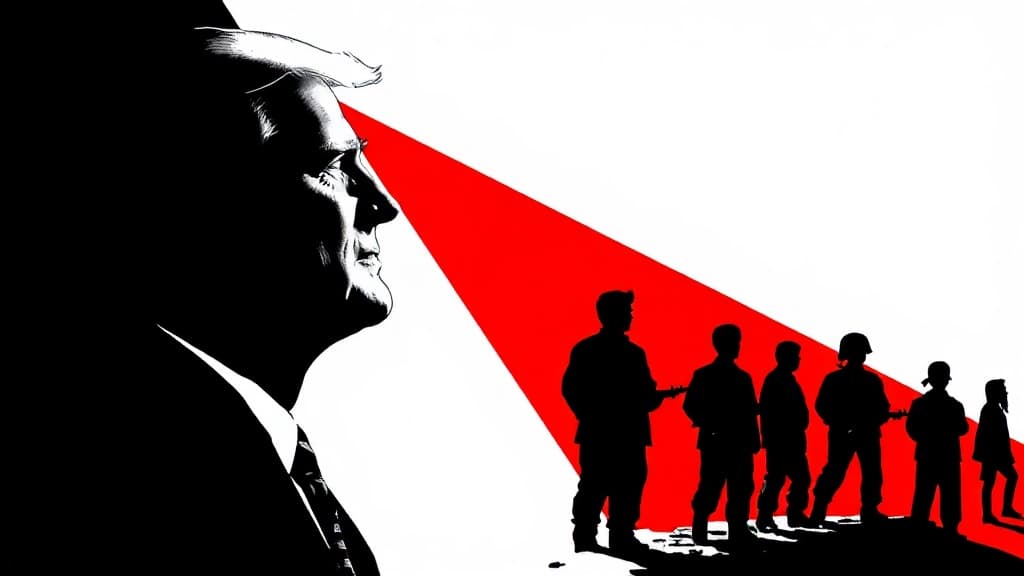
Senators from both parties are holding up Defense Secretary Pete Hegseth's travel budget to force the Pentagon to come clean about the 165-plus civilians — many of them children — killed in an American strike on an Iranian elementary school, but nobody in the chamber is asking why American missiles were hitting Iranian schools in the first place.
The real scandal isn't just that the Pentagon is sitting on its investigation into the Feb. 28, 2026, Minab school strike. The real scandal is that the United States was dragged into another Middle Eastern war where outdated intelligence gets children killed, and the Senate's solution is to withhold a quarter of a Cabinet secretary's travel funds — not to end the war itself.
According to the annual defense authorization bill filed this week, no more than 25% of Hegseth's travel funds may be spent until he submits "unredacted civilian harm investigations" for several incidents, including the Minab school bombing on the first day of the U.S.-Israeli war against Iran. The Associated Press reported that officials have preliminarily said the U.S. was responsible for the strike, which was blamed on outdated intelligence. If confirmed, it would rank among the highest civilian casualty events caused by American military operations in two decades.
Sen. Jack Reed, the top Democrat on the Senate Armed Services Committee, said the defense package "forces the Secretary to be more accountable to Congress and will prevent many errors of the past from being repeated in the future." That's a tidy quote for the press release, but it's hollow. The school was adjacent to a Revolutionary Guard base — a legitimate military target under the laws of war, provided you know what you're hitting. The U.S. didn't. That's not an "error of the past." That's the permanent condition of every intervention in a region where intelligence is never clean and civilian casualties are always guaranteed.
The same bill also demands "unedited video" of U.S. strikes on alleged drug-trafficking boats near Venezuela, a months-long campaign that has killed at least 208 people so far. In at least one instance, survivors were killed in follow-on strikes — conduct experts say violates military law and rules of engagement. Lawmakers are also pressing for investigations into April 2025 strikes in Yemen against Iranian-backed Houthi rebels, including a port strike that left at least 70 dead and a neighborhood strike in Sanaa that killed four and wounded 16, per casualty figures provided by the Houthis.
Notice the geography: Iran, Venezuela, Yemen. Three countries. Three theaters. Zero defined American interests. Zero exit strategies. The Senate wants Hegseth's travel receipts, but it keeps authorizing the spending that puts American forces in position to commit these catastrophes.
This is bipartisan failure in its purest form. Both parties tucked the Hegseth provision into the National Defense Authorization Act — the same vehicle that funds the wars producing the civilian bodies senators now want investigated. They're not anti-war. They're pro-oversight on the corpses. The travel-fund block is a performative gesture that lets senators claim they're holding the Pentagon accountable while they keep writing the checks that put American munitions over foreign schools.
The Minab school didn't need to be hit. The boats near Venezuela didn't need to be struck. The Houthi campaign didn't require American involvement. Each of these operations competes with American needs at home and serves no clear U.S. interest that anyone in Washington has bothered to articulate — let alone justify to the public footing the bill.
Accountability after the fact doesn't resurrect the dead. The only accountability that matters is refusing to start the next war. The Senate can start by asking not just how 165 people died, but why American forces were in position to kill them at all.