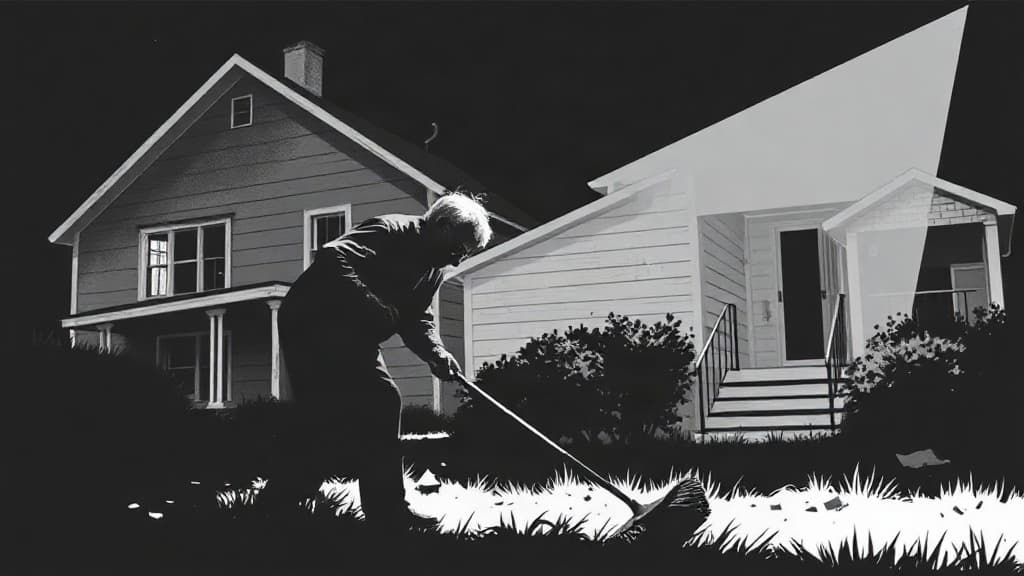
An elderly American is raking a dead neighbor's leaves, watering roses that aren't hers, and fielding visits from bill collectors — and the family that owns the property can't be bothered. That's not a parable. That's a letter to Dear Abby, and it's the most honest snapshot of neglected America you'll read this week.
"Nettled Neighbor" wrote in describing a house on her cul-de-sac that's been vacant for two years after the father died suddenly and the mother moved out of state. Five abandoned cars sit on the property — one with a window down that kids can climb into. The adult children won't move the cars, won't pay the utilities, and won't maintain the home. The son swings by once a month for mail. The daughter's big suggestion? That the neighbor hand out her brother's phone number to creditors. "I am older than the owner and don't want to look after two yards," the neighbor wrote.
All three outlets carrying the column — AL.com, M Live Michigan, and the New York Post — ran identical text. Nobody spun it. Nobody had to. The facts speak for themselves, and they're ugly.
Here's what the advice columnists and the commentariat won't say: this woman's situation isn't a neighbor problem. It's a systems problem. She's elderly, she's doing unpaid labor to keep her own street from looking like a salvage yard, and the only mechanism she has left is calling the city to request fines — assuming her municipality even has the staff or the will to enforce code. This is the same class of Americans watching their roads crack, their hospitals close, and their towns hollow out while Washington sends blank checks to foreign governments that would make the founders reach for their muskets.
Abby's advice was sound as far as it went: stop maintaining the property, report the cars, give creditors the son's number, and document everything for the city. "I'm willing to bet the place gets cleaned up (or sold) in a hurry once municipal fines have been assessed," Abby wrote. Maybe. Or maybe the fines pile up, the property rots further, and the neighborhood keeps declining while the heirs wait for someone else to solve their problem.
The letter writer did what Americans have always done — stepped up, filled the gap, handled it herself. Two years later, she's exhausted, and the only answer she gets is "call the government." That's not a solution. That's an admission that the social fabric has already torn.
How many cul-de-sacs like this exist right now, in towns where the factory closed, the young left, and the old are left holding the bag? We don't know, because the press is busy covering everything except the slow rot under its own feet.
The question isn't whether this neighbor should stop raking leaves. She should. The question is who, exactly, is going to rebuild the country where leaving your elderly neighbor to manage your decay was ever considered acceptable in the first place.