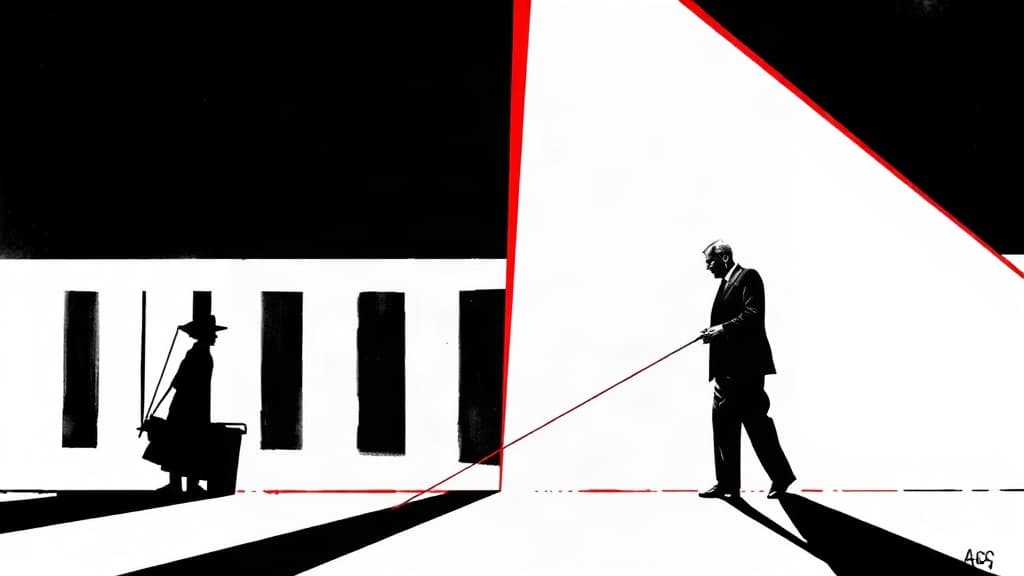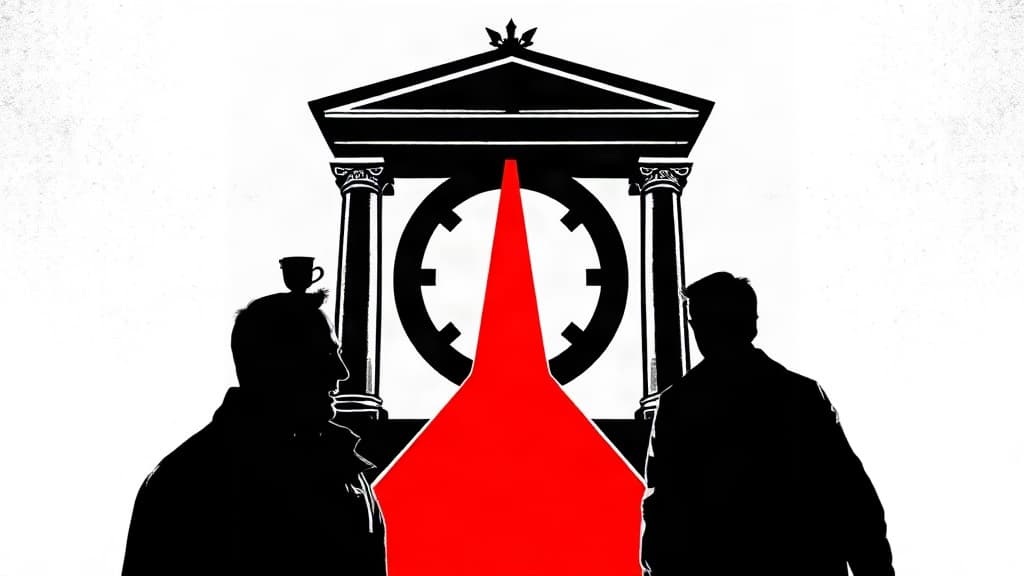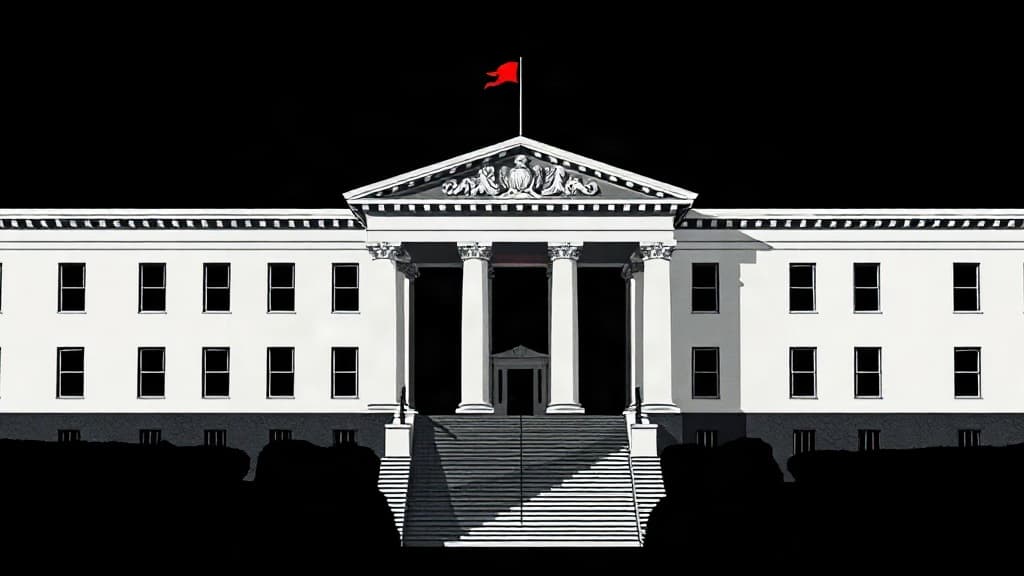
The Chicago Tribune wants the Federal Reserve to raise interest rates again this month — and they're pitching it as a favor to the working class. It isn't.
After years of the establishment press carrying water for the "transitory" inflation narrative, the Tribune's editorial board now demands the Fed hike rates at its Oct. 27-28 meeting to fight an official inflation rate of 3.7% — a number both outlets acknowledge understates the sticker shock Americans actually face. USA TODAY, for its part, frames the debate as a genuine toss-up, noting most traders and economists expect a pause until December. The difference matters: one outlet is cheerleading a policy that will extract more money from your wallet, the other is hedging.
Here's what neither will say plainly: rate hikes are a wealth transfer from debtors to creditors. When the Fed raises the benchmark rate, every American carrying a credit card balance, paying off a car loan, or trying to afford a mortgage gets squeezed. The Tribune even concedes this — "higher borrowing costs can make mortgages, car loans and credit card debt more expensive for consumers already struggling to make ends meet" — before brushing past it like an inconvenient footnote.
Who wins when rates rise? Banks collect wider spreads. Bondholders and savers earn more on idle cash. The financial class that rode the inflation wave up gets the Fed's protection. Who loses? Every working American who relies on credit to bridge the gap between paychecks — the people already paying more for groceries and gasoline because Washington launched a war in Iran and slapped tariffs on trading partners.
Both outlets confirm the causes: the Tribune writes that "President Donald Trump's Iran war has sent energy prices soaring, and his tariff attacks on America's trading partners have jacked up costs for a slew of goods." USA TODAY cites a Johns Hopkins finance professor noting that whether the war escalates or de-escalates is "huge in terms of impact on energy prices and therefore inflation." So the policies that created this mess came from Washington. But the bill for fixing it gets sent to Main Street.
Fed Chair Kevin Warsh — Trump's newly installed pick — has "recommitted to delivering price stability," per USA TODAY, telling an Oct. 16 Bangkok audience that "it's hard to be in a discussion with central bankers and not compare notes and hear the same thing about the surge in prices." But Warsh won't show his hand. The CME FedWatch tool puts the odds of a hike this month at less than one in six. Ninety-four of 100 economists surveyed by Reuters expect a pause.
The Tribune dismisses the case for patience, calling the reasons traders expect a pause "awfully feeble from the perspective of strapped citizens." But the editorial's own solution — making those same strapped citizens pay more to borrow — is the real feeble answer. San Francisco Fed President Mary Daly at least acknowledges that "soaring mortgage rates and other higher borrowing costs already are slowing parts of the economy," and that wage growth is cooling.
The permanent class — Fed governors, Wall Street forecasters, editorial boards — spent years telling Americans inflation was no big deal. Now that the damage is baked in, their prescription is to jack up the cost of credit for the people who can least afford it. The question neither outlet asks: why should working Americans absorb the cost of cleaning up a mess that Washington and Wall Street made?