A World Series game ended on a borderline check-swing call that couldn't be reviewed, and the sports press mostly shrugged — the same instinct that kicks in whenever institutional authority faces accountability.
The Milwaukee Brewers stunned the Tampa Bay Rays 5-4 on Saturday night, overcoming a 4-0 first-inning deficit to take a 2-0 World Series lead. But the story isn't just the comeback. It's how the game ended — and how quickly the media rushed to bury the controversy.
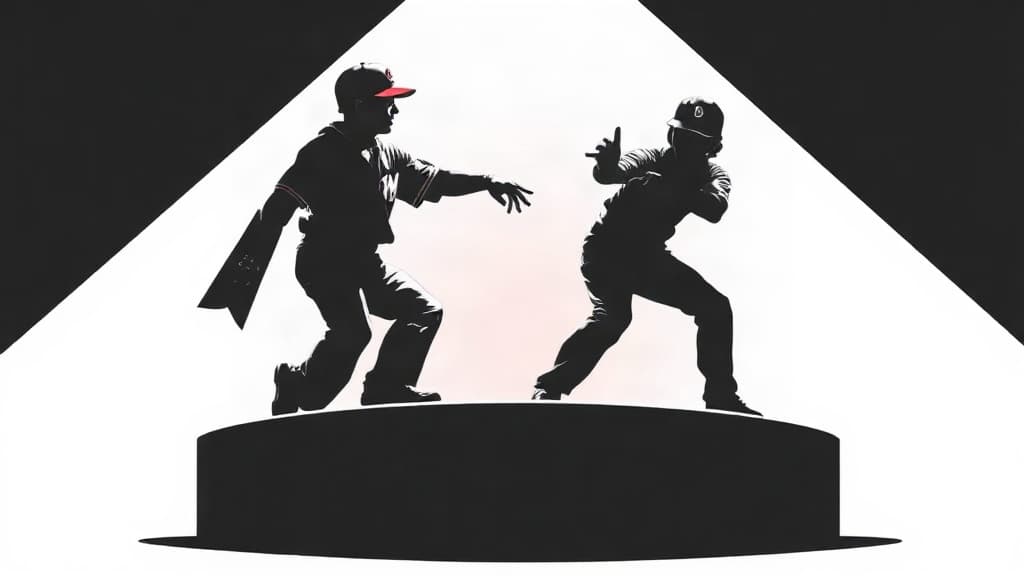
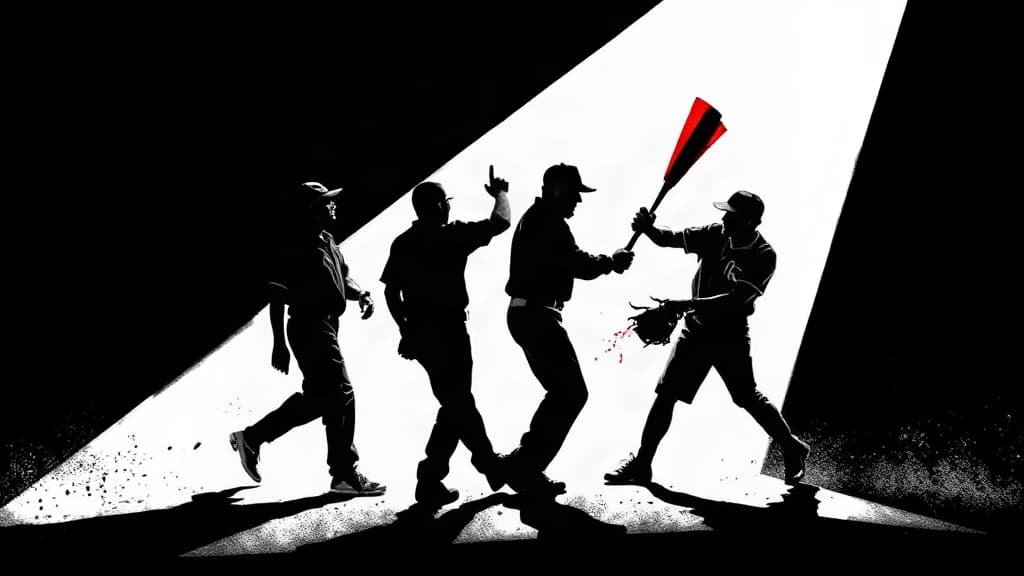
Here's what happened: Rays designated hitter Yandy Díaz stood at the plate with two outs in the ninth, the tying run 90 feet away, full count. Brewers reliever Aaron Ashby threw a curveball in the dirt. Díaz started his swing but appeared to hold up. Home plate umpire Jim Wolf called it a ball — which would've loaded the bases. But Brewers catcher William Contreras appealed to first-base umpire James Hoye, who ruled Díaz went around. Strike three. Ballgame over. Series potentially over.
The framing split tells you everything. Essentially Sports acknowledged the outrage, noting fans "continued to debate" the call and that it "sparked an immediate debate." The Milwaukee Journal Sentinel, the hometown paper, reported the call straight but led with celebration: "Milwaukee, you are two wins away from a title." Then there's The Guardian, which laundered the controversy entirely — writing that Díaz "struck out when he couldn't check his swing on a full-count pitch," as though Hoye's judgment was settled fact rather than the most disputed call of the postseason.
The real scandal isn't one umpire's split-second ruling. It's that Major League Baseball has no mechanism to review check-swing calls. Replay exists for everything else — fair or foul, safe or out, catch or trap. But the judgment that just ended a World Series game? Untouchable. The league office won't touch it, and the press won't press the issue.
This is the same playbook the political media runs: when a call goes against ordinary people — fans who paid for tickets, players who earned that at-bat — the referees are above question. When institutional power is threatened, the rules change. The Guardian's framing is the tell: accept the ruling, move along, nothing to see.
The Rays didn't help themselves. As The Guardian noted, they committed one error and "made two other misplays that could have been charged as errors." A 4-0 lead evaporated. But none of that erases the fact that a World Series game — and possibly the series — ended on an unreviewable judgment call that the home-plate umpire initially got right.
Of the 57 previous teams to take 2-0 World Series leads, 46 won the championship, according to The Guardian. The Rays are running out of margin — and MLB is running out of excuses for why a call this consequential remains unreviewable.