The Washington Post wants you to think Pete Hegseth disrespected dead soldiers. The video says otherwise. But in the coastal press bubble, the narrative always beats the facts — and ordinary Americans are left to wonder why they should trust a single headline.
Defense Secretary Hegseth visited the Tomb of the Unknown Soldier on Veterans Day with his wife and senior staff. A sentinel from the Old Guard issued the standard rebuke: visitors must maintain silence and respect. The Washington Post's Philip Kennicott turned this routine moment into a morality play with the headline: "At the Tomb, Hegseth broke the silence. A sentinel spoke up for the dead."
Strictly true. Entirely misleading. That's the Kennicott specialty.
According to HotAir, which reviewed the video, the disruption was a woman's laughter as she walked up the steps — not Hegseth, not his wife, not some collective display of boorishness. One aide. One laugh. A momentary lapse at a site where, according to the same report, sentinels issue similar warnings two or three times a day.
Kennicott wasn't interested in that context. He wrote that Hegseth and his entourage "laughed, joked and bantered as if they were at a garden party." He called it "a display of power, the power of people indifferent to rules, through noise and spectacle." He dismissed Hegseth as "a showman who enacts a parody of masculine bravado."
That's not reporting. That's the music nerd who never did a pull-up pounding out revenge prose against the school jock — HotAir's characterization, and an apt one.
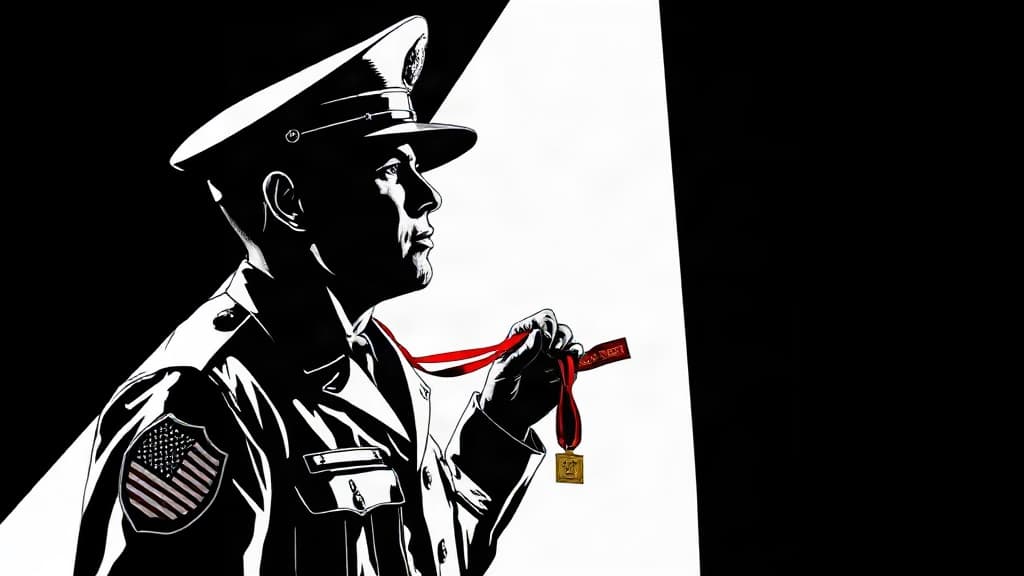
What Kennicott buried: Hegseth met with the Old Guard afterward and awarded the sentinel who issued the silence command a medal for his service. The Post piece mentions this so briefly it reads like an editor's afterthought, because it wrecks the story Kennicott actually wants to tell — that Hegseth is a swaggering vandal of American solemnity.
No one in the press has named the woman who actually laughed. Placing blame on an anonymous aide doesn't serve the real purpose here, which is to hang the incident on Hegseth and, by extension, on the voters who sent him there. This is the same reflex that gave us the "fine people on both sides" hoax — a story so useful to the anti-Trump press that correcting it became unthinkable.
The Tomb of the Unknowns exists because Americans died in wars their country sent them to fight. The press using their memory as a prop to settle partisan scores dishonors the dead more thoroughly than a misplaced laugh ever could.
The question isn't whether an aide made a mistake. It's whether the institution charged with informing the public can still distinguish between what happened and what they wish had happened.