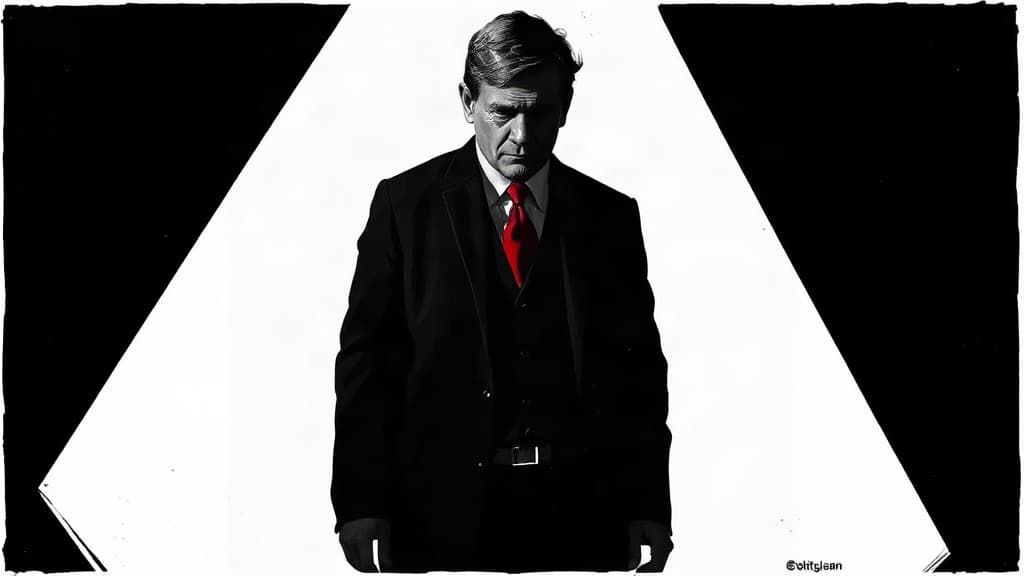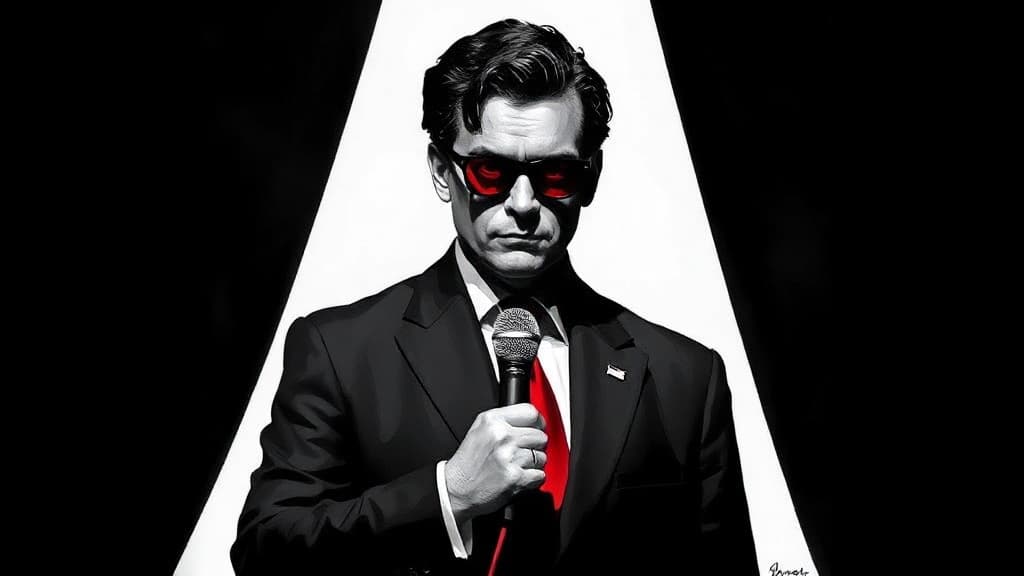
Anthony Scaramucci lasted 11 days as White House communications director — and now he's got a podcast with a million listeners per episode, most of them foreign, explaining American politics to the world. The revolving door doesn't just spin; it pays dividends to the people who fail their way up through it.
Here's why it matters to ordinary Americans: the same institutional media ecosystem that cancels dissenters and shuts out working-class voices hands global platforms to failed operators whose only credential is once having walked the halls of power. Scaramucci didn't earn an audience through expertise or insight. He earned it by getting hired, getting fired, and getting famous for getting fired.
The New York Times profiled Scaramucci with the warmth usually reserved for indie-film underdogs, describing the 62-year-old Long Island hedge funder as a "fist-bumping, name-dumping, front-stabbing" character who now sits in the Royal Box at Wimbledon mingling with "high-living agents of monarchy and Benedict Cumberbatch." The Times framed his reinvention as charm — a man "in on the joke of his own life." What the Times buried: the structural story. Scaramucci is monetizing access and insider status, repackaging a spectacular government failure into a media product sold primarily to foreign audiences.
His podcast, "The Rest Is Politics: US," draws over a million listeners per episode, according to the Times, with much of the audience outside the United States. He styles himself a "life coach and therapist for European leaders seeking to understand President Trump" — the same Trump he once served and now publicly condemns. The pivot from loyal soldier to vocal critic is the oldest play in the establishment playbook: cash in on your time in the ring, then cash in again by attacking the guy who threw you out of it.
Scaramucci missed the birth of his son while his boss addressed Boy Scouts in West Virginia, then conceded defeat to "the swamp" on Day 11 and promptly booked himself on late-night television. That tells you everything about priorities. Government service was a brand-building exercise, not a public trust.
The Atlanta Black Star, meanwhile, was occupied with a different kind of stage management: the internet's fixation on President Trump's hair, which appeared noticeably fuller and more colorful at recent events. White House press secretary Karoline Leavitt attributed the change to flattering casino lighting at Red Rock Resort in Las Vegas, telling The Wall Street Journal, "Lighting is everything." The hair spectacle is trivial — but the instinct to stage-manage a president's public image down to the follicle fits the same pattern: image over substance, access over accountability.
The real question isn't whether Trump's hair is real or whether the Mooch is funny. It's who gets the microphone and why. A hedge-fund operator who couldn't survive two weeks in government now lectures the world about American democracy — and the institutional press celebrates him for it. Meanwhile, Americans who actually work for a living can't get a word in edgewise.
The revolving door doesn't care about competence. It cares about connections. And it's always open for business.