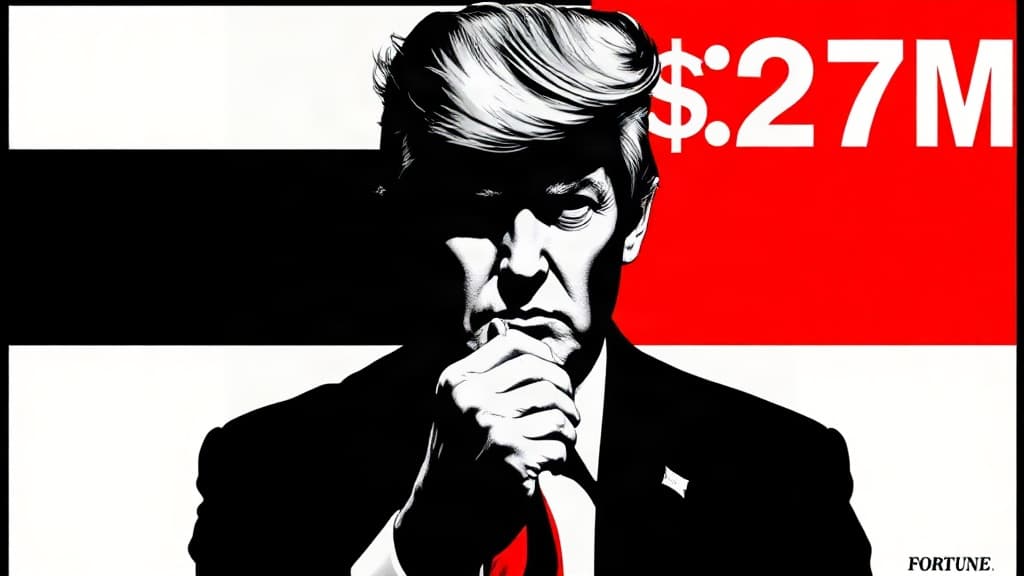
A federal judge just handed Google a license to scrape publishers' content and feed it into AI summaries that keep users off your site — and told Congress to fix it if they don't like it.
U.S. District Judge Amit Mehta dismissed antitrust lawsuits from Penske Media Corporation — parent of Rolling Stone, Variety, and The Hollywood Reporter — and education company Chegg, both alleging Google's AI Overviews siphon traffic and revenue by repackaging their work without compensation. The ruling means Big Tech can keep harvesting content from independent and mainstream outlets alike, serving up AI-generated answers that eliminate the need to click through — and the ad revenue that keeps publications alive.
The core of Mehta's reasoning: an expectation isn't a contract. "Plaintiffs have pleaded only that they have an 'expectation' that Google will send them search traffic if they make their content available for free," he wrote. "But an expectation is not an agreement. It is simply how a general search engine works."
The judge acknowledged the damage. "The court does not treat Plaintiffs' alleged harms lightly," Mehta wrote, noting "the knock-on consequences to journalists, educators, and other online creators whose content Google takes and repurposes without compensation." But sympathy isn't remedy. Mehta said antitrust law can't be stretched to cover economic dislocation from new technology — that's a job for legislators who have been conspicuously absent.
The numbers tell the story the court wouldn't fix. Chartbeat reported a 40 percent year-over-year decline in Google search traffic across its publisher network, according to The Hollywood Reporter. Chegg argued Google was effectively forcing websites to surrender content for AI scraping or face exclusion from search results entirely. The court wasn't moved.
Ars Technica noted that Mehta is the same judge who found Google violated antitrust law in the DOJ's landmark search monopoly case — yet the government didn't get the penalties it wanted there, either. The pattern is clear: courts recognize the problem but won't act without a statute that fits.
The framing split is telling. The Hollywood Reporter, owned by plaintiff PMC, emphasized the judge's acknowledgment of uncompensated harm. Engadget and The Verge kept it procedural — lawsuits dismissed, claims rejected. Ars Technica alone pointed readers to the real pressure valve: overseas regulators. The European Commission is actively considering these questions, and the UK has already ordered Google to provide an AI opt-out for sites that want to remain in organic search results. American publishers? Left in the cold.
Mehta suggested unjust enrichment claims might fit better than antitrust — but didn't rule on that question since federal claims were dismissed first. The dismissal wasn't with prejudice, meaning PMC can refile. Google, meanwhile, is reportedly piloting a program to pay sites for AI content. Publishers aren't impressed.
Here's the open question: the same Big Tech platforms that throttle dissenting voices now have judicial blessing to strip-mine their work for AI product. Congress could act. Will they — or will independent media be left to negotiate with the machine that's eating them alive?