Bob Iger just admitted he tried to buy Twitter, merge with Apple, and acquire James Bond — and the only thing that stopped Disney from swallowing half of American media was that the other side said no.
In an exit interview with the Financial Times, the former Disney CEO laid bare the scale of his consolidation ambitions. Disney had a list of targets — Marvel, Star Wars, Bond — and Iger's plan was simple: "Let's just tick them off and buy them all." Marvel and Star Wars fell into line. Bond got away; Amazon owns it now. But the real revelations are the deals that almost were.
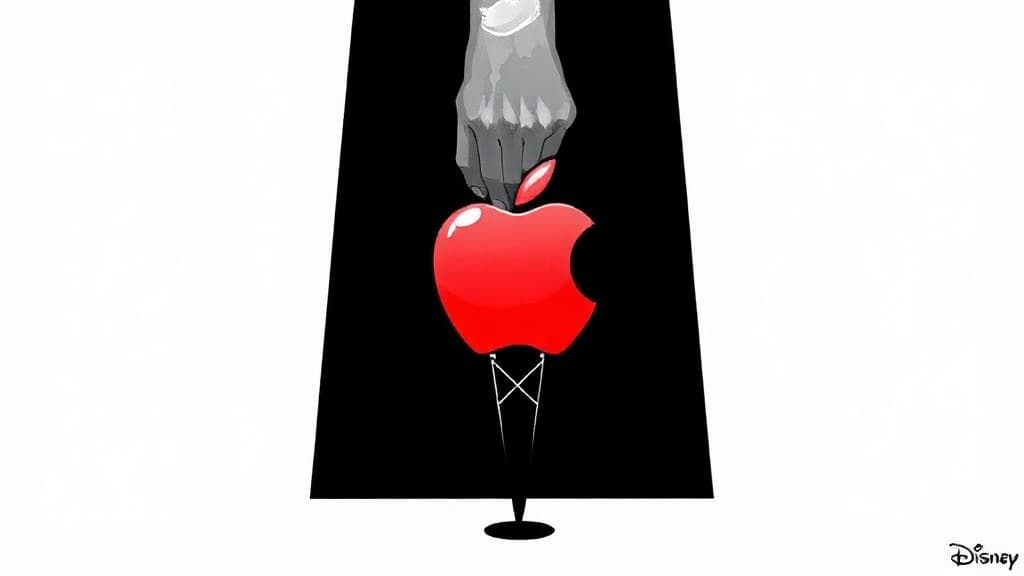
Iger confirmed Disney held merger talks with Apple. "We talked about it internally, and we had some conversations with Apple about it, but it never went anywhere," Iger said. "Well, Apple didn't show that much interest." Iger previously wrote in his 2019 memoir that if Steve Jobs were still alive, the two companies would have combined — or at least discussed it "very seriously." The Apple talks confirmation is new.
Then there was Twitter. Iger said he was close to buying the platform from Jack Dorsey at "a very attractive price." The plan: turn Twitter into a global distribution platform for Disney content. Iger backed out the morning the deal was supposed to close, calling it a "distraction." Variety framed it as Iger getting "cold feet"; The Hollywood Reporter characterized his withdrawal as "perhaps prescient." What neither outlet lingered on is the implication: a company that suspends late-night hosts over bad-taste jokes came within hours of owning the public square itself. Elon Musk ultimately bought Twitter and rebranded it as X.
Disney also nearly acquired BuzzFeed, according to The Hollywood Reporter, but Jonah Peretti killed the deal to keep control of his company.
On the Kimmel suspension — triggered by a joke about Charlie Kirk's killer that drew backlash from the right — Iger told the FT: "We thought it was in bad taste," adding that Disney wanted Kimmel to address the nature of the comment. A corporation that polices its talent's speech nearly owned the platform where Americans do the same.
Iger also took shots at his short-lived successor, Bob Chapek: "There was no urgent need to make drastic changes. And yet he did, and he brought in bureaucracy, and he brought in layers of management."
The pattern is clear. Iger's Disney was an acquisition machine that treated cultural infrastructure — a social media platform, a tech giant, iconic film franchises — as items on a shopping list. The deals that closed reshaped what Americans watch. The deals that didn't are a reminder of how close we came to something worse. Next time, the executive at the top might not get cold feet.