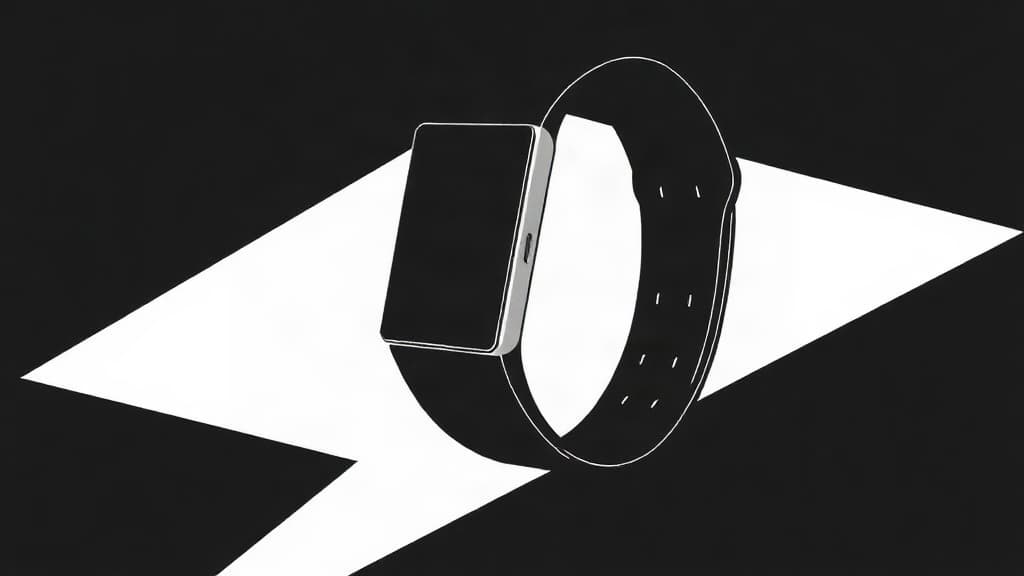
Google wants your heartbeat, your sleep patterns, your blood oxygen, your skin temperature, and your menstrual cycle — and it wants you to pay $179 for the device that harvests it all, plus a recurring subscription to unlock the features that actually make it useful.
The Fitbit Edge, launching October 27, is the latest entry in Google's wearable lineup, and it arrives from a company that already tracks your searches, reads your email, follows your location, and watches the inside of your home through Nest cameras. Now the search giant wants to strap a sensor to your wrist and collect the most intimate data your body produces. None of the major tech outlets covering the launch saw fit to mention that.
The Edge sits between the screen-less $99 Fitbit Air and the premium Pixel Watch 5. According to Tom's Guide, it packs an onboard GPS, a 1.34-inch AMOLED touchscreen, and a laundry list of health sensors: continuous heart rate, heart rate variability, AFib detection, blood oxygen saturation, breath rate, skin temperature monitoring during sleep, women's health tracking, Loss of Pulse Detection, and Breathing Emergency alerts. Engadget notes that only the Edge — not the cheaper Air — carries the electrical sensors necessary for ECG readings.
Here is the part the reviewers glossed over. Engadget reported that Google's "Health Guardian" features, which cover heart health and insulin trends, "largely aren't dependent on specific sensors and instead rely on the corpus of data Google has collected." Read that again. Google is pooling the health data it harvests from millions of wrists and running it through AI to generate insights. Your biometrics become part of a corporate data corpus. What Google does with that corpus, who it shares it with, and whether it can be compelled to hand it over to insurers, employers, or federal agencies — none of the outlets asked.
Then there is the subscription trap. Engadget plainly states that users "do have to pay for Google Health Premium if you want to use them to their fullest." You buy the device, you generate the data, and then you pay Google a monthly fee to access the tools that make the data meaningful. The hardware is the razor; your biometrics are the blade.
9to5Google, which framed the Edge as a "Pixel Watch Lite," noted one curious downgrade: Google Wallet support, which existed on the predecessor Fitbit Charge 6, is gone. So Google stripped a feature that lets you spend your own money but kept the sensors that let it harvest your body's data. Follow the money.
The tech press reviewed the Fitbit Edge like it was any other gadget — screen size, battery life, band comfort. Tom's Guide ran a cheerful "5 reasons to buy" list. Nobody asked the question that matters: why should Americans trust a company built on harvesting personal information with their pulse, their oxygen levels, and their reproductive health data? Google's business model is surveillance. The Fitbit Edge just brings it closer to the skin.