Meta built an adults-only AI assistant, dressed its mascot like a preschool toy, and plans to sell it as a Tamagotchi-style gadget — and no regulator seems to care.
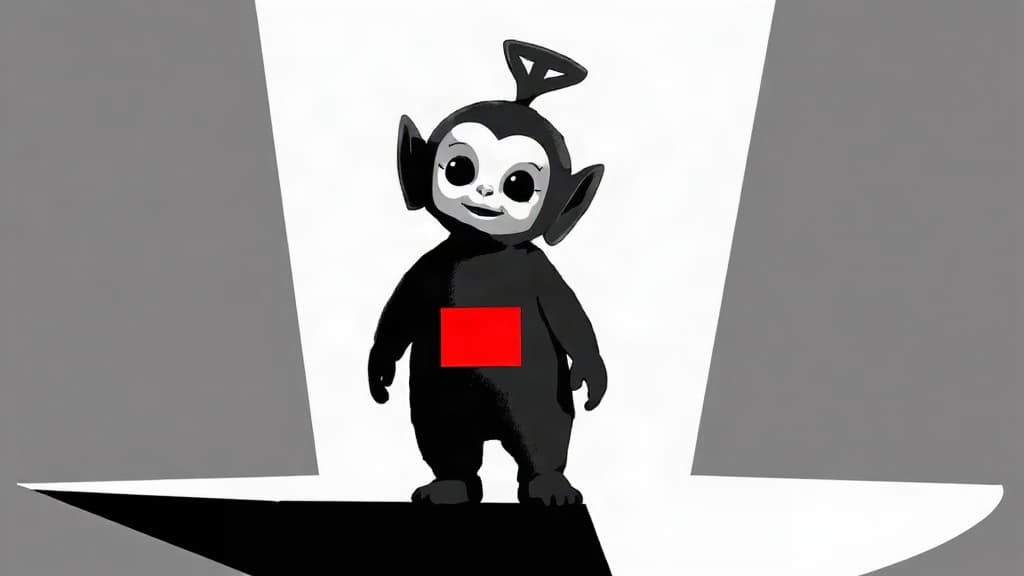
The product is called Muse. Its mascot, "Jolly," is a rounded, cuddly creature that child psychology experts say is calibrated to appeal to children barely old enough to walk. The app is restricted to users 18 and over. That gap — kid-friendly design on an adults-only product, from a company that just settled $16.7 billion in teen addiction lawsuits — is the story, whether Meta likes it or not.
WIRED, which first flagged the design mismatch, reported that Meta's chief AI officer Alexandr Wang has posted memes of Jolly "sometimes in suggestive situations." Meta spokesperson Daniel Roberts dismissed the concern: "This is a story in search of a story," he told WIRED, pointing to date-of-birth requirements and additional checks to keep minors out.
Child advocates aren't buying it. "Oh my God, it looks like a Teletubby," said Josh Golin, executive director of Fairplay, a nonprofit that previously lobbied against Meta's targeting of children. "It's so clearly a character that would appeal to very young children. People who study children's media understand that those rounded shapes particularly appeal to kids in the preschool age."
Harvard marketing professor Julian De Freitas, who focuses on AI companions, told WIRED the cute factor "can make the product seem warm and less threatening" — relevant because, as he noted, "attitudes toward Meta are quite negative after the social addiction rulings." In August, Meta settled claims regarding social media addiction, agreeing to add restrictive features for teens on Instagram and Facebook and paying out up to $16.7 billion.
Meta's VP of Product Management Mona Sarantakos described the design as leaning into "delightful" elements, meant to feel less awkward than chatting with "a corporate logo or entity," according to a blog post she co-authored. WIRED also noted that Meta trains its AI models on your Muse interactions — so the disarming mascot isn't just collecting your data, it's making you forget it's happening.
Meanwhile, Tom's Guide found the app's actual utility is thin. Only three of seven recommended shopping prompts actually worked — coupon sweeps, Facebook Marketplace searches, and price-drop tracking all failed. That hasn't stopped Muse from topping ChatGPT on Apple's App Store charts with half a million downloads.
Some experts compared Muse's mascot to Japan's long tradition of cute characters marketing technology. Maybe. But Japan's cuddly mascots aren't attached to data-harvesting AI from a company with Meta's record with kids.
The question isn't whether Jolly is cute. It's why a company that just paid billions for addicting teenagers keeps designing products that look like they belong in a crib — and who, if anyone, will call them on it before the next generation gets hooked.