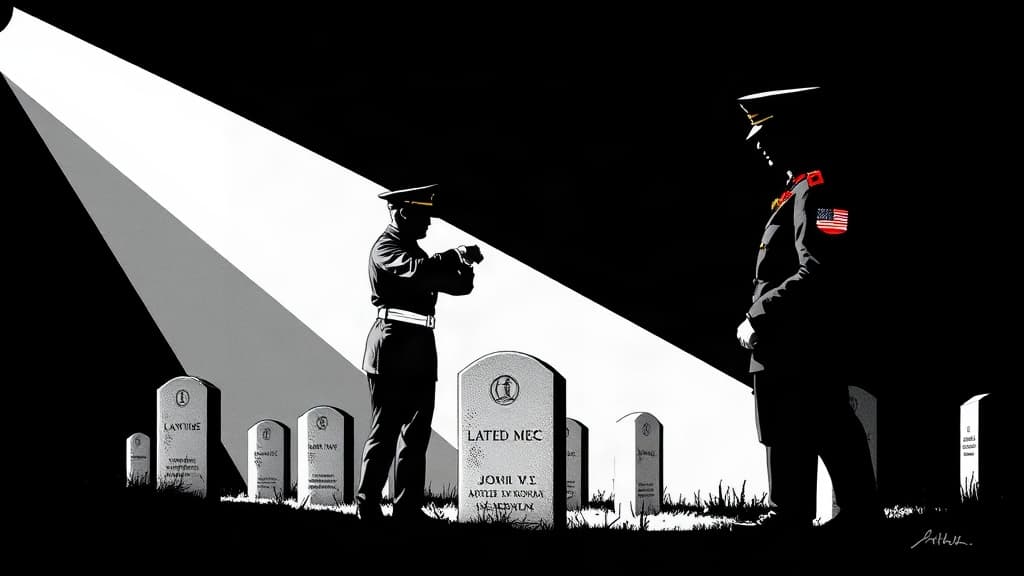
Defense Secretary Pete Hegseth pinned a Joint Service Commendation Medal on the very soldier who publicly reprimanded him at Arlington National Cemetery — rewarding a junior enlisted man for choosing duty over deference to rank, and sending a message the brass won't like.
The award came one day after Specialist Thomas Iglesias, patrolling the Tomb of the Unknown Soldier, halted his march and called out Hegseth's entourage for breaking silence at one of America's most sacred war memorials. Rather than retaliate, Hegseth welcomed the Old Guard to the Pentagon and honored the man who held him accountable. In a town where power usually punishes those who enforce the rules against it, that matters.
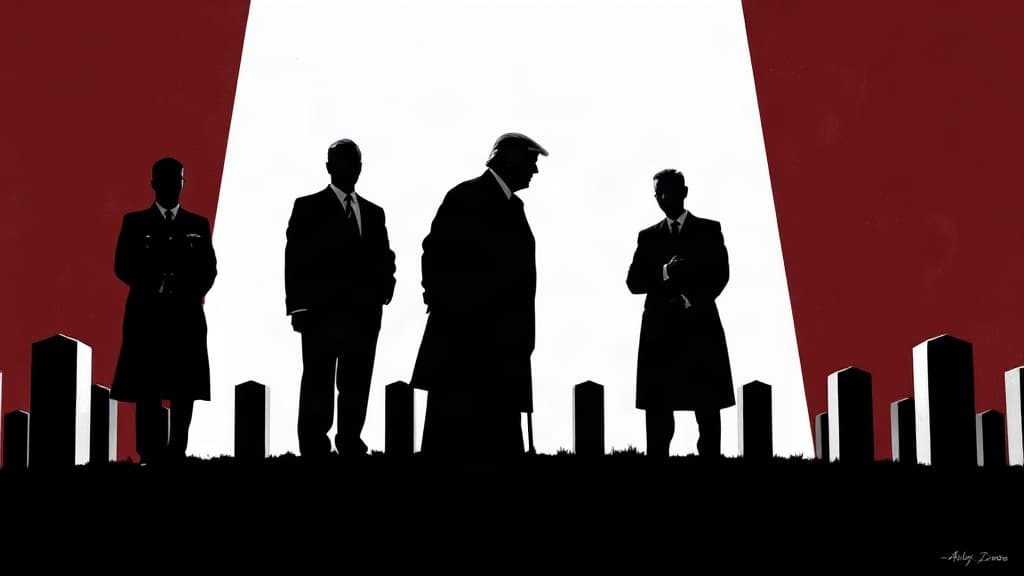
The incident unfolded after a Veterans Day ceremony attended by President Trump and Vice President JD Vance. Hegseth, his wife Jennifer, chief of staff Ricky Buria, deputy chief of staff Patrick Weaver, and senior adviser Tami Radabaugh were posing for photographs on the empty steps in front of the tomb when someone in the group laughed.
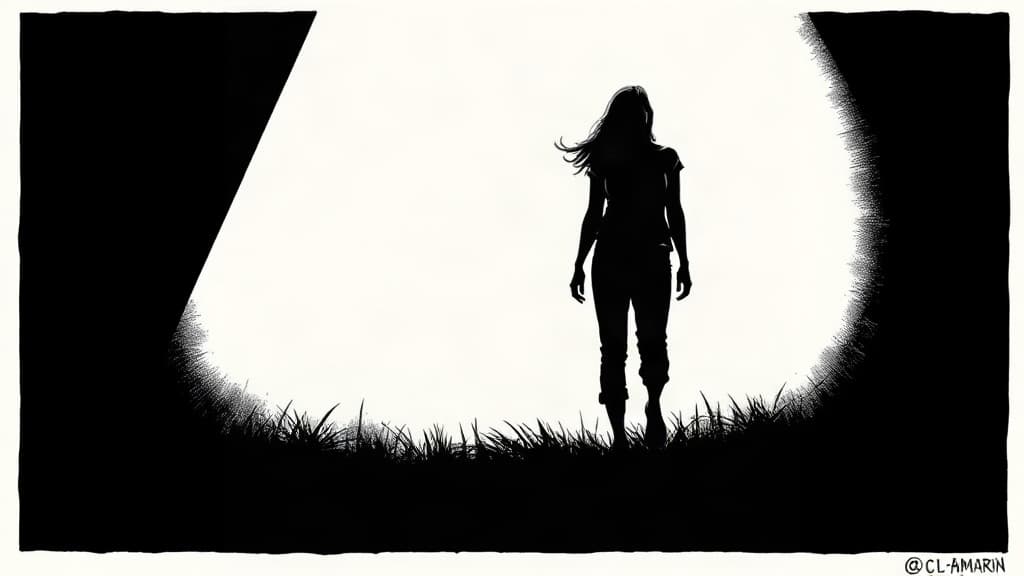
Iglesias stopped cold, turned toward the group, and issued the order: "All visitors will maintain an atmosphere of silence and respect at all times."
That is exactly what sentinels at the tomb are trained to do. Soldiers of the 3rd Infantry Regiment — the Old Guard — have maintained a round-the-clock watch over the tomb since 1948. Enforcing strict standards of silence and respect isn't optional; it's the job. Iglesias did his.
Hegseth could have bristled. He didn't. He posted photos of himself pinning the medal to Iglesias's chest on social media, writing: "We love soldiers. We love standards. Well done, Specialist. Carry on Patriots."
Chief Pentagon spokesman Sean Parnell confirmed that the soldier "correctly and respectfully reminded everyone to maintain decorum." No spin. No excuse-making. Just acknowledgment that a junior specialist called out the Secretary of Defense and was right to do it.
The Joint Service Commendation Medal is a high military award, typically reserved for senior personnel — not junior enlisted service members. That Hegseth gave it to Iglesias for executing his duties, not for battlefield heroics, is a statement: standards apply to everyone, including the man who runs the building.
The media, for its part, couldn't quite decide how to frame it. The Guardian and CNN both led with the reprimand angle, emphasizing the confrontation. The New York Post, meanwhile, buried the award story beneath context about Hegseth's political troubles — noting he had survived an impeachment attempt led by Rep. Thomas Massie the day before, with Democrats poised to renew the effort when they take the House and Senate in January. Hegseth called the impeachment push "sabotage, not patriotism."
But the medal story isn't complicated. A soldier stood his post, enforced the standard, and corrected a superior — the most powerful man in his chain of command. That superior could have made him pay. Instead, he rewarded him.
That's the kind of leadership the founders would have recognized: duty to truth over deference to rank. The question is whether the permanent class in Washington — military and civilian — will take the lesson, or whether this becomes another data point in their case against a secretary they never wanted in the first place.