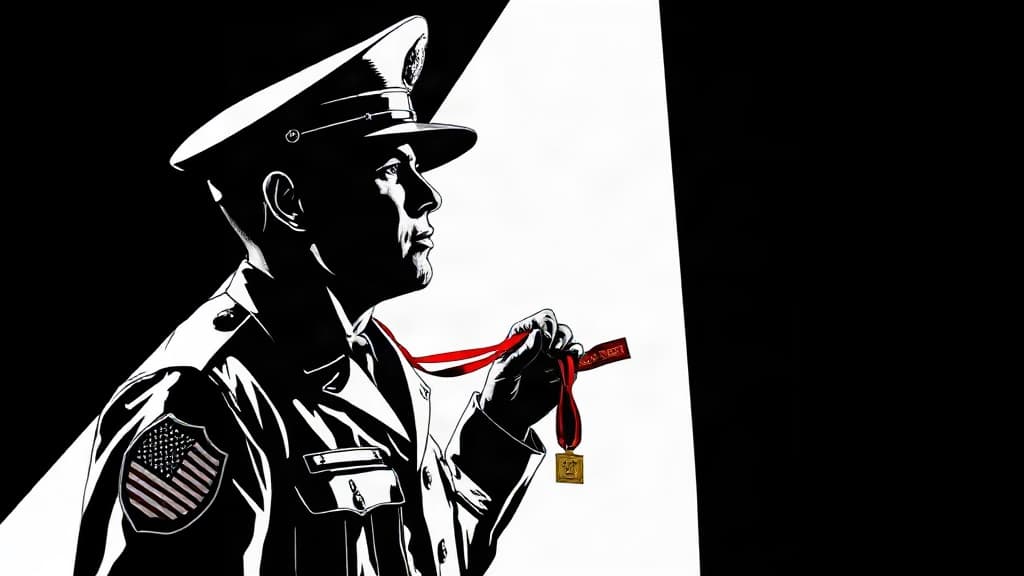
Defense Secretary Pete Hegseth pinned a Joint Service Commendation Medal on the soldier who told him and his aides to keep quiet at the Tomb of the Unknown Soldier — rewarding a junior enlisted man who enforced standards on the chain of command instead of looking the other way.
For decades, the Pentagon brass has operated on a simple rule: protect your own, cover for your superiors, and never rock the boat. A specialist calling out the Secretary of War for laughing at Arlington would normally end careers. Instead, Hegseth made it a public lesson in accountability.
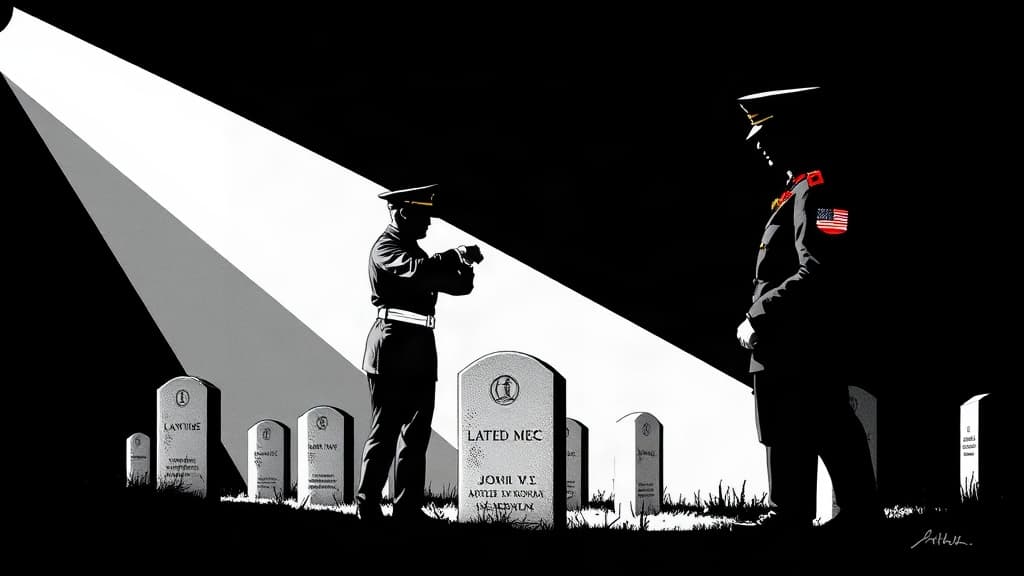
The incident unfolded after a Veterans Day ceremony at Arlington National Cemetery. Hegseth, his wife, chief of staff Ricky Buria, deputy chief of staff Patrick Weaver, and senior adviser Tami Radabaugh were taking photos in front of the tomb, according to Breitbart. As the group walked up the stairs, laughter and chatter were heard. Specialist Thomas Iglesias, patrolling in front of the tomb, stopped, faced the group, and called out: "All visitors will maintain an atmosphere of silence and respect at all times."
He didn't ask who they were. He didn't care about their rank. He saw a standard being violated and he enforced it.
On Thursday, Hegseth welcomed the 3rd Infantry Regiment — the Old Guard — to the Pentagon and awarded Iglesias the JSCM. He posted photos on X of the pinning, writing: "We love soldiers. We love standards. Well done, Specialist. Carry on Patriots."
HotAir framed Iglesias as a soldier who "reprimanded his group," softening the fact that the group included the Secretary of War himself. Breitbart was direct: the soldier "scolded him and his aides."
Senators Dave McCormick and Tom Cotton praised the move. "No soldier earns more respect from commanders than the soldier on duty who upholds standards even for those commanders," Cotton wrote on X. "Good for Specialist Iglesias and good for @SecWar."
McCormick added: "The Tomb of the Unknown Soldier deserves the utmost respect from those who visit."
They're right. But the reason this moment resonates is that it's the exception, not the rule. The permanent military class — the generals, the consultants, the think-tank ecosystem that feeds off defense spending — has spent decades insulating itself from exactly this kind of bottom-up accountability. Enlisted soldiers who report failures by their superiors typically face retaliation, not commendation. The brass talks a good game about standards. When was the last time a four-star got fired for anything other than personal scandal? The institutional failures — the botched withdrawals, the wasted billions, the programs that never deliver — go unpunished.
Hegseth's gesture is one medal for one soldier on one day. Whether it becomes a pattern or a footnote depends on whether the Secretary can actually break the culture that promoted covering for failures in the first place.