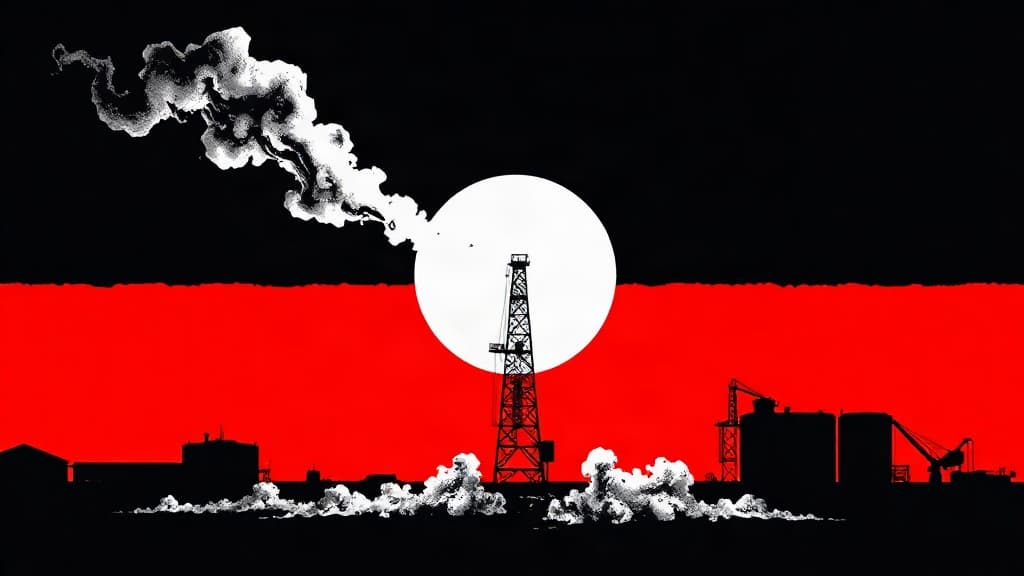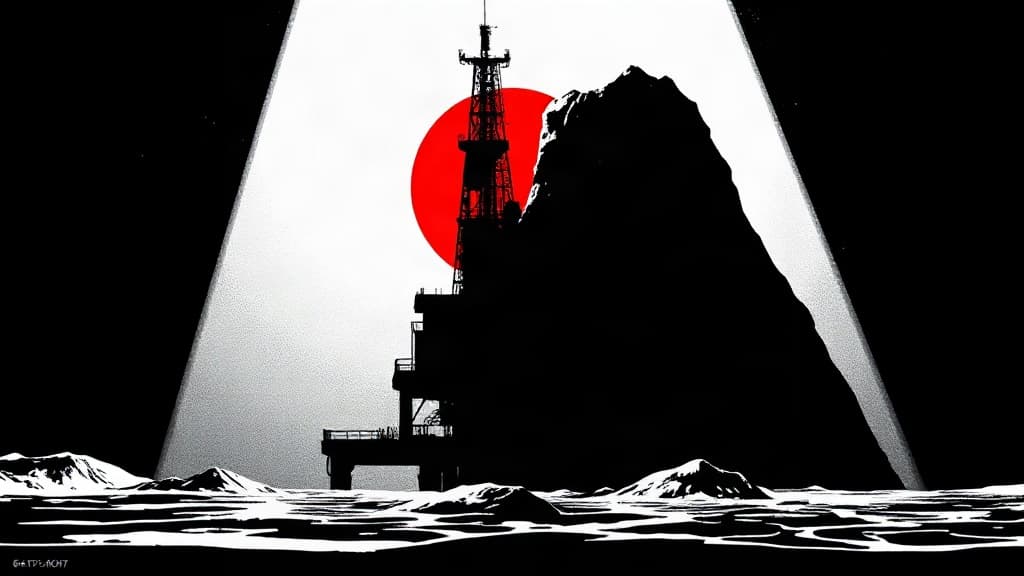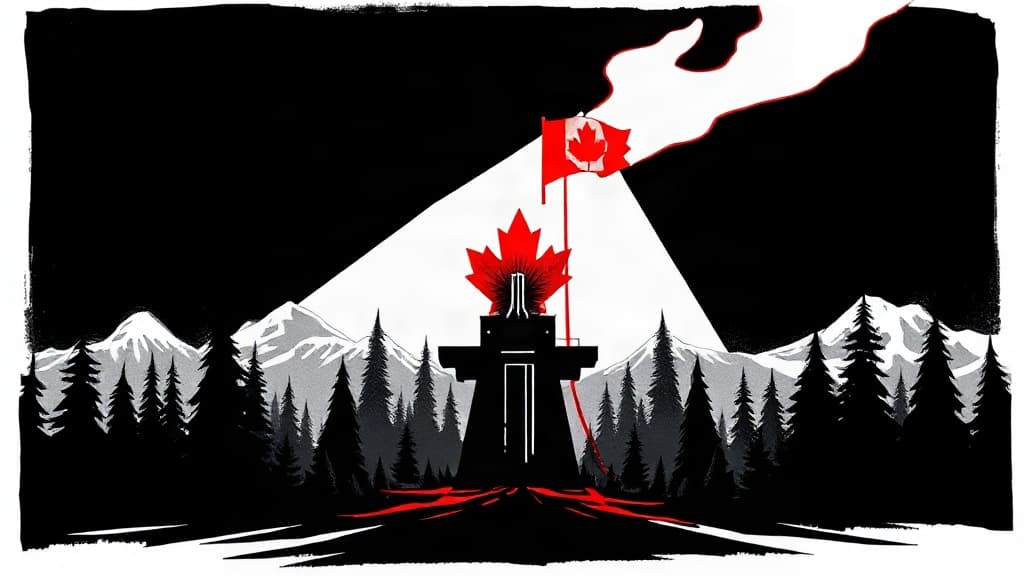
Alberta, sitting on the world's fourth-largest proven oil reserves, votes Monday on whether to start the legal process toward leaving Canada — and the fight is a warning for every American who's watched distant bureaucrats choke their energy economy.
The ballot measure doesn't separate Alberta from Canada outright. It asks voters whether the province should remain in Canada or begin a formal process toward a future independence referendum. Premier Danielle Smith, who called the vote but opposes separation herself, said recent polling showing 23% support for starting the process is "still too high for my liking."
That number used to be 1 or 2%. What changed? Two words: carbon tax. Justin Trudeau's government imposed a national carbon levy and a suite of climate mandates that Alberta leaders say directly penalized its oil industry. The grievance is older than Trudeau — his father Pierre drew the same fury over energy policy decades ago — but the current prime minister made it acute.
Then came the pandemic. The 2022 Freedom Convoy, sparked by vaccine requirements for cross-border truckers, swelled into a full revolt against federal restrictions. Independence movement leader Jeff Rath said Ottawa's vaccine travel ban was his breaking point: "If Trudeau won't let me leave Alberta, I'm just going to pick up my whole province and go. COVID was really the straw that broke the camel's back."
Former Premier Jason Kenney, no friend of the separatists, conceded that pandemic restrictions and anger at globalization supercharged the movement. "They found each other and they found a cause," he told the Associated Press. He also acknowledged the MAGA movement has been "inspirational" for some activists, and said Smith replaced him in 2022 by appealing to party members furious over COVID rules.
Kenney's instinct, though, was to smear. He claimed "substantial overlap" between separatist activists and Putin supporters, while stressing he meant the organizers, not the rank and file. The Atlanta Journal-Constitution ran the same Associated Press copy without noting that Kenney offered no evidence for the Putin claim. Europe Says ran it the same way. The establishment framing is clear: don't look at the legitimate grievance, look at the alleged fringe.
Here's what both outlets buried: Prime Minister Mark Carney now backs a proposed pipeline to get Alberta oil to the West Coast and has made new energy markets a national priority. Kenney himself said Carney "speaks as an Albertan" and understands the province. In other words, when Ottawa wants Alberta's oil revenue, it suddenly discovers the virtue of pipelines. When it doesn't, it imposes carbon taxes.
That's the deal every resource-rich region knows — whether it's Alberta under Ottawa or West Virginia under Washington. The central government wants the revenue but restricts the production. The people who actually do the work pay the bill.
Alberta's separatist vote is a message vote, and the message travels south. When the people who pull the oil out of the ground are told by distant capitals what they can ship, how they can ship it, and what they'll pay for the privilege, sovereignty stops being abstract and starts looking like the only leverage left.