A magnitude 5.0 earthquake struck off the coast of Manhattan Beach Saturday morning, rattling Los Angeles and putting the city's aging infrastructure through another stress test — the kind Sacramento keeps failing while it chases green mandates instead of fixing what's already broken.
The quake hit at 9:30 AM roughly six miles offshore at a depth of 5.6 miles, according to the U.S. Geological Survey. Two aftershocks registering 3.0 and 2.5 followed, part of what USGS described as an earthquake swarm that included four additional tremors in nearby Hermosa Beach. The Los Angeles Fire Department deployed personnel from all 106 neighborhood fire stations to inspect infrastructure for damage. No injuries have been reported. Mayor Karen Bass confirmed the city is in "earthquake mode" and continuing to assess impacts.
But the early returns aren't comforting. Footage from an LAX live feed obtained by TMZ shows the camera shaking violently as car alarms blare across the terminal area. Fox News coverage from the airport documented shattered windows and broken glass on the floor. That's the region's primary airport — a critical piece of public infrastructure — and a moderate quake was enough to break it open.
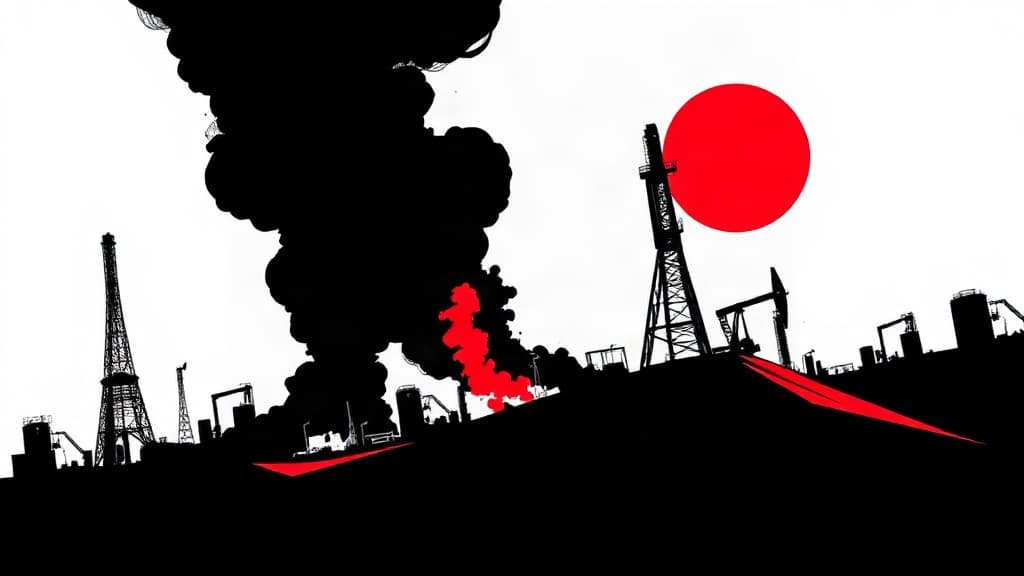
Then there's the Chevron refinery in El Segundo. Multiple users on X posted video of smoke rising from the facility following the quake. No official explanation has been given yet. That refinery is a cornerstone of Southern California's fuel supply. When it stumbles, gas prices spike and working families pay the difference at the pump — a bill Sacramento never seems to factor into its policy math.
The Guardian's coverage noted the LAFD sweep and the absence of immediate structural damage reports, but framed the event as a routine seismic occurrence. TMZ, meanwhile, captured the visceral reality — shaking cameras, shattered glass, refinery smoke — the actual experience on the ground for Angelenos who depend on these systems daily.
Here's the tension nobody in the capitol wants to name: California's political class has spent years mandating electric stoves, banning new gas vehicle sales by 2035, and pouring regulatory pressure onto the oil and gas industry that still keeps the lights on and the cars moving. Meanwhile, the physical backbone — water systems, the electrical grid, roads, airport terminals, fuel refining capacity — gets older, more brittle, and less prepared for exactly this kind of event. A 5.0 is not the Big One. It's a warning shot. And every dollar Sacramento diverts into enforcing appliance mandates is a dollar not spent hardening the systems that actually keep people alive when the ground moves.
The LAFD can sweep 106 stations after a quake. The question is how many more shakes those stations — and the pipes, grids, and refineries around them — can take before the bill comes due.