Apple is launching its annual "Back to School" promotion this week — a data-harvesting operation dressed up as student generosity that now requires third-party identity verification before your kid can access a discount on hardware Apple already made more expensive.
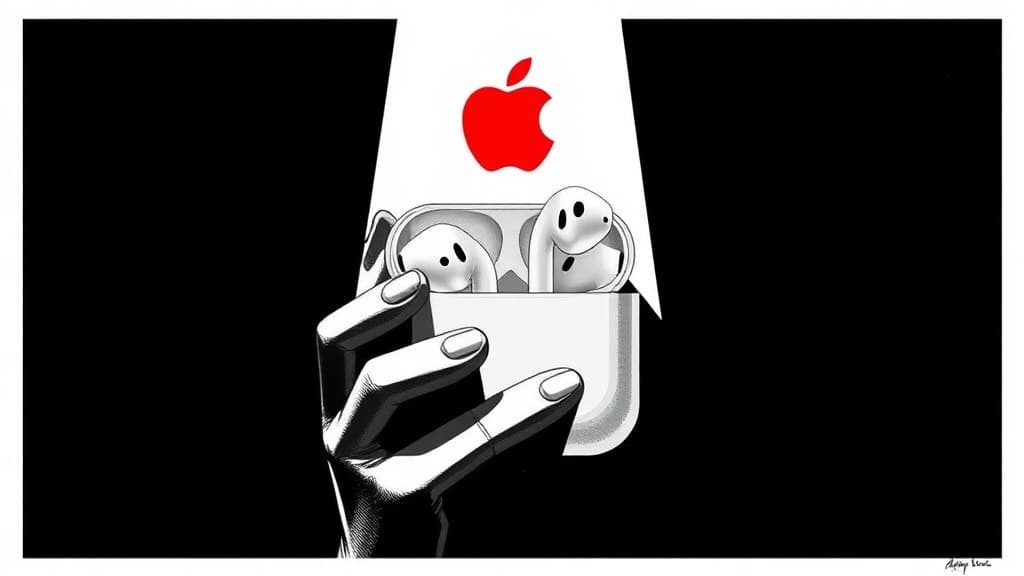
Bloomberg's Mark Gurman reports that Apple retail stores are rolling out marketing materials mid-week, signaling the U.S. launch is imminent. Last year, college students and educational staff received a free accessory — AirPods 4 or an Apple Pencil Pro — with the purchase of a qualifying Mac or iPad, on top of year-round education pricing. This year, the calculus is different. Apple recently raised prices across all Macs and iPads, a move 9to5Mac attributes to a memory shortage that caused the company to delay the promotion's typical rollout timeline.
Here is the part both outlets treat as a footnote: Apple recently added UNiDAYS verification to its U.S. education store. Students can no longer simply self-attest to their eligibility. They must register with a third-party platform that collects and verifies personal data — name, institution, enrollment status — before Apple will even let them see the discounted price. MacRumors didn't mention this at all. 9to5Mac noted it in a single sentence, then moved on to recommending Anker accessories.
That is the real deal. Apple is not giving away AirPods out of goodwill. It is buying verified student identities and ecosystem lock-in at a discount. UNiDAYS gets the data. Apple gets a customer for life. The student gets hardware that now costs more than it did last year — with a free accessory thrown in to mask the sticker shock.
9to5Mac speculated that Apple might "sweeten the deal" with higher incentives to help students "stomach the fact that Macs and iPads are now much more expensive than what they used to be." That framing treats Apple as a benefactor weighing how generous to be, rather than a trillion-dollar company calculating the minimum spend required to capture a young consumer before competitors do.
The typical incentive has been a $100–150 Apple gift card or a pair of AirPods. Whether Apple bumps that number up or not, the structure remains the same: trade your data, enter the walled garden, stay. Parents spending the summer fighting CRT in school board meetings might want to check what their kids are signing up for online.
It's also worth asking what UNiDAYS does with the verification data it collects on millions of students. Neither Apple nor the tech press covering this promotion seem interested in answering.
Apple has not yet confirmed the exact incentive for 2026. The promotion is expected to launch within days.