A heat dome from Arizona to Montana is shoving temperatures past daily records and kicking wildfires across the Pacific Northwest, threatening working families with blackouts, evacuations, and spiking utility bills — while the press reaches for its favorite storyline.
The National Weather Service forecasts 115 degrees in Las Vegas, 116 in Phoenix, and 118 in El Centro, California, through Sunday. Great Falls, Montana, is expected to hit 104. But Phoenix's 116 only tied a record set in 1972 — a fact the Los Angeles Times noted in passing before pivoting to its framing that "extreme heat is one of the deadliest climate risks facing California." The New York Post stuck to the meteorology, explaining the high-pressure ridge without the editorial spin.
Both outlets agree on the mechanics. A ridge of high pressure is trapping heat near the ground — the so-called heat dome — and choking off the sea breeze that would otherwise cool the coast. NWS meteorologist Morgan Stessman told the Post there's "just no relief overnight," with lows stuck in the upper 80s to low 90s in Las Vegas, where Saturday's forecast was 10 degrees above normal. The LA Times quoted NWS meteorologist Rose Schoenfeld warning that "that compounding effect can be significant" after multiple days of elevated heat and humidity.
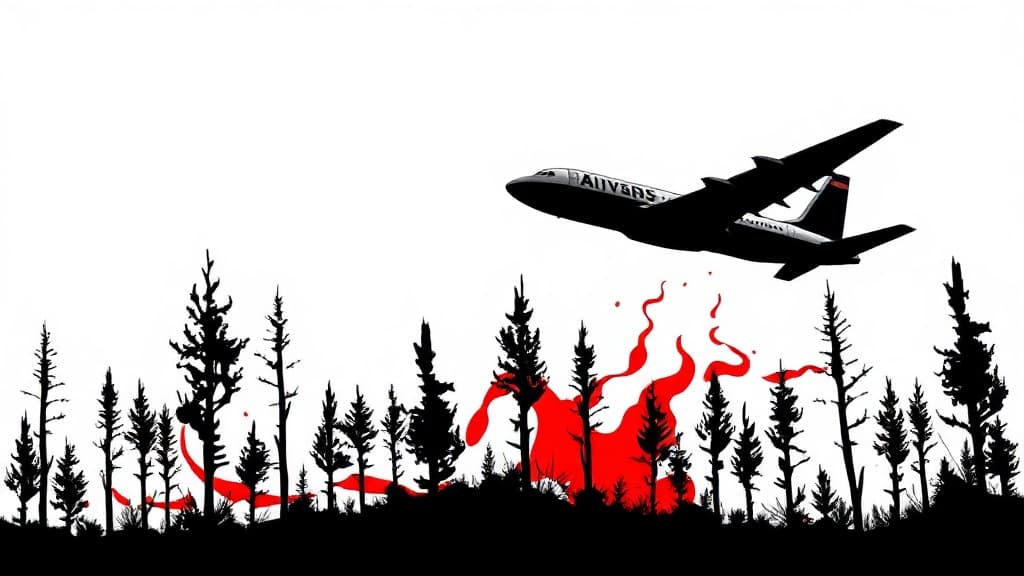
The wildfire danger is where the story gets serious — and where the coverage falls apart. The Pacific Northwest, already fighting dozens of blazes, saw a surge Saturday after the NWS issued its strongest wildfire weather warning, a "Particularly Dangerous Situation" alert. The Old Trails fire near Spokane, Washington, exploded to more than 2,300 acres by 5 p.m., forcing evacuations, according to the disaster tracking nonprofit Watch Duty.
What neither outlet mentions: the fuel load. Decades of environmental red tape have blocked logging, controlled burns, and underbrush clearance on federal and state forestland. When fire hits overgrown, unmanaged timber, it doesn't creep — it catastrophically burns. The LA Times attributed the wildfire surge to "extremely dry conditions and strong winds." Dry conditions and wind make fire weather. Unmanaged forests make fire disasters. Conflating the two serves the climate narrative but buries the policy failure.
For working Americans, the stakes are direct. Cooling demand spikes utility bills. Small businesses lose foot traffic when customers shelter inside. Families in fire zones lose everything when overgrown forests — that should have been thinned years ago — turn into infernos.
The good news: NWS meteorologists told both outlets the heat dome will be relatively short-lived, weakening by early next week. The weather passes. The mismanagement doesn't.
The question isn't whether it's hot. It's whether anyone in charge will stop using the thermometer as an alibi and start managing the land before the next fire season.