Wall Street insiders are urging retail investors to buy the dip after a brutal tech sell-off hammered the Nasdaq — the same insiders who see the cards before you do, while working Americans absorb the inflation and wage stagnation that this AI spending binge will only worsen.
The Nasdaq posted its steepest drop since early June, falling 2.68% on Thursday, after Meta's earnings exposed the staggering cost of the AI arms race and surging oil prices reignited inflation fears. The Philadelphia Semiconductor Index plunged 6.3%. Meta beat expectations but its stock slid 7.5% after the company posted its first negative cash outflow in over a decade and announced plans to issue new non-voting Class C shares — a mechanism to dilute existing shareholders and raise capital for what Meta's own filing called "unprecedented" AI infrastructure spending. Tesla also fell despite beating estimates and cutting its capital spending forecast.
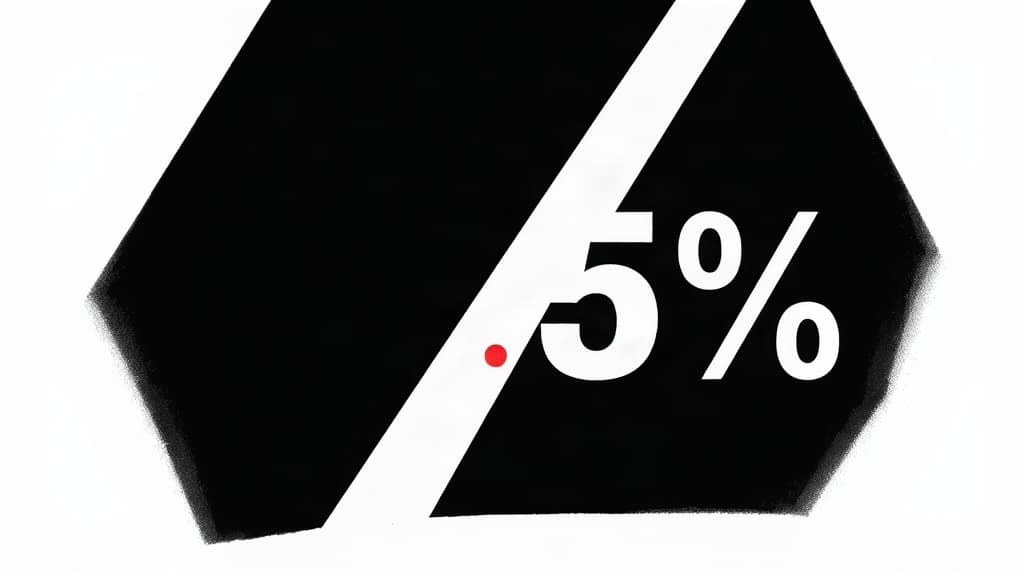
CNBC's investing club framed the Meta sell-off as a "mistake" and deployed a poker analogy to argue the bulls should stay at the table. "The sellers made a mistake," they wrote, comparing the stock's upside to a "trillion-dollar ace in the hole." CNBC acknowledged the dilution risk — potentially more than 5% if Meta raises $100 billion — but buried it beneath card-game logic. Reuters, by contrast, led with the market carnage and the cash-flow alarm, noting that Meta's free cash flow turned negative for the first time in over a decade. Business Insider highlighted what the other two outlets soft-pedaled: the geopolitical engine behind the inflation pressure.
That pressure is real. Business Insider reported that Brent crude spiked above $112 a barrel after a New York Times report that the U.S. and Israel are planning strikes on Iran after the midterm elections — described by U.S. officials as "short but intensive." Reuters confirmed crude hit a five-month high on Houthi strikes against Saudi targets. Neither CNBC nor Reuters connected those foreign military plans to the squeeze on American paychecks. Business Insider did, noting the operation would renew "fears of continued conflict that could keep oil markets pressured on the supply side." That means higher prices at the pump and higher costs for everything trucked across this country — costs that don't discriminate between Wall Street portfolios and Main Street grocery runs.
The Federal Reserve is watching. Reuters reported that markets now price in another 25-basis-point rate hike before year-end, with unemployment claims sitting near multi-decade lows giving the central bank room to keep tightening. Working Americans already living paycheck to paycheck will foot that bill too.
Wall Street's answer to all of this is: buy the dip. Oliver Pursche of Wealthspire told Reuters that tech CEOs "can't afford to risk being left behind" on AI, while investors still "don't know what the return on investment is going to be." Economist David Rosenberg warned Business Insider that spending discipline from companies like Tesla could slow the AI investment boom, with "negative consequences for suppliers across the entire chain."
So the picture is clear: Wall Street is doubling down on an AI spending race with no proven return, funded in part by diluting retail shareholders, while foreign military commitments push oil — and everything oil touches — higher. The insiders get the first look at the hand. Everyone else gets the bill.
The open question is whether the AI bet pays off before the weight of war-driven inflation and rate hikes breaks what's left of Main Street's buying power — or whether the house is simply playing with marked cards.