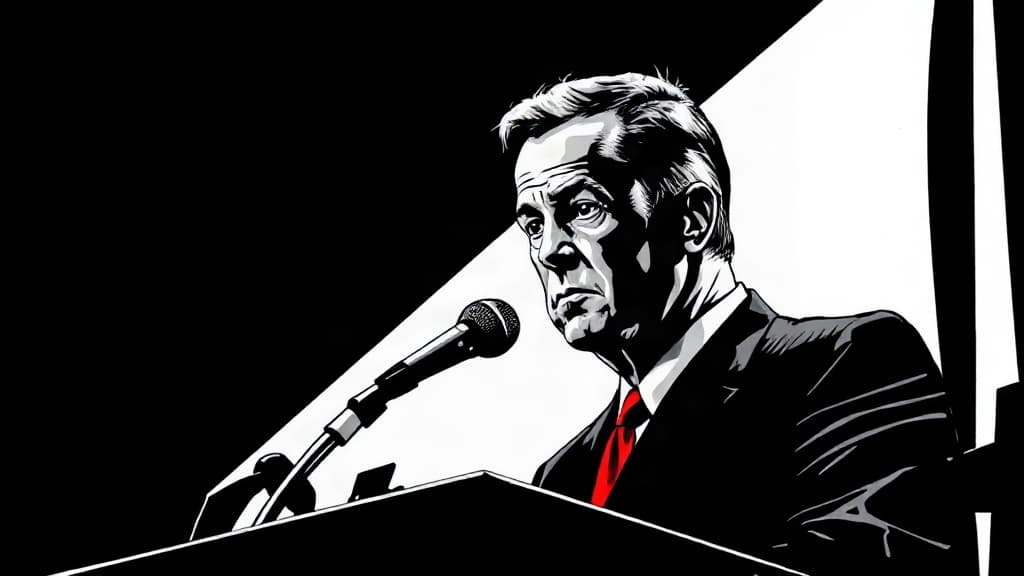
The U.S. economy added just 57,000 jobs in June — less than half what analysts expected — and Wall Street couldn't be happier.
That's the two-track economy distilled to its essence. CNBC and Reuters both covered the jobs disaster this week, and both framed it almost entirely around what it means for Federal Reserve rate-setters and overseas stock markets. Not a single working American was quoted. Not one small business owner. The establishment press looks at the worst jobs number in recent memory and sees only one question: will my portfolio keep climbing?
Here are the facts. The Bureau of Labor Statistics reported Thursday that nonfarm payrolls rose by a seasonally adjusted 57,000 in June. The Dow Jones consensus forecast was 115,000. May's number was revised downward to 129,000. That is a labor market going cold fast.
CNBC's headline celebrated a "Fed pause." Dan Coatsworth, head of markets at AJ Bell, told the outlet that weak jobs numbers would normally push central banks toward rate cuts — but lower oil prices have eased inflation worries, so no hikes are needed for now. United Overseas Bank predicted an "extended period of policy pause through 2026" before any easing in 2027. UBS Global Wealth Management's Yifan Hu said the Fed will "watch and see" and won't hike this year, with possible cuts as early as the first quarter of next year.
Reuters, meanwhile, led with Indian stocks rallying on the news. The Nifty 50 rose 0.83%. IT companies — which earn big revenue from the U.S. — surged 1.9%. HCLTech jumped 5.2% on a $1.14 billion deal. Lower U.S. rates, Reuters explained, "encourage capital flows to emerging markets like India and aid growth and client spending in the U.S."
Read that again: a terrible American jobs number is being treated as positive because it keeps money cheap enough to slosh into foreign equities. Both outlets buried the actual story — working families are staring down a job market that can't produce employment while still paying grocery prices inflated by years of loose money.
The Fed's "pause" is a trap for wage earners. No rate cuts means no relief for borrowers carrying credit card debt or small businesses paying through the nose for capital. No rate hikes means the asset bubbles propping up the top ten percent stay inflated. The people who own stocks get a floor. The people who need paychecks get the ceiling.
This is the bipartisan failure nobody in Washington wants to name. Years of emergency monetary policy inflated asset prices while real wages lagged. Now the jobs market is cooling and the same policymakers who created the problem are being praised for doing nothing.
The market rallies. The Fed pauses. And the family choosing between gas and groceries this week gets nothing but the bill for a recovery that never quite reached their kitchen table.