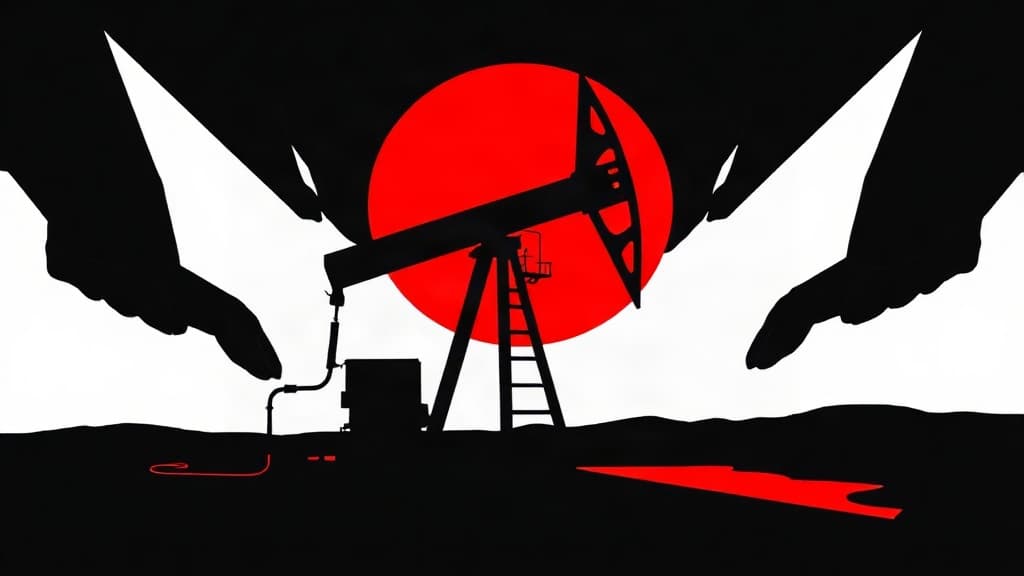
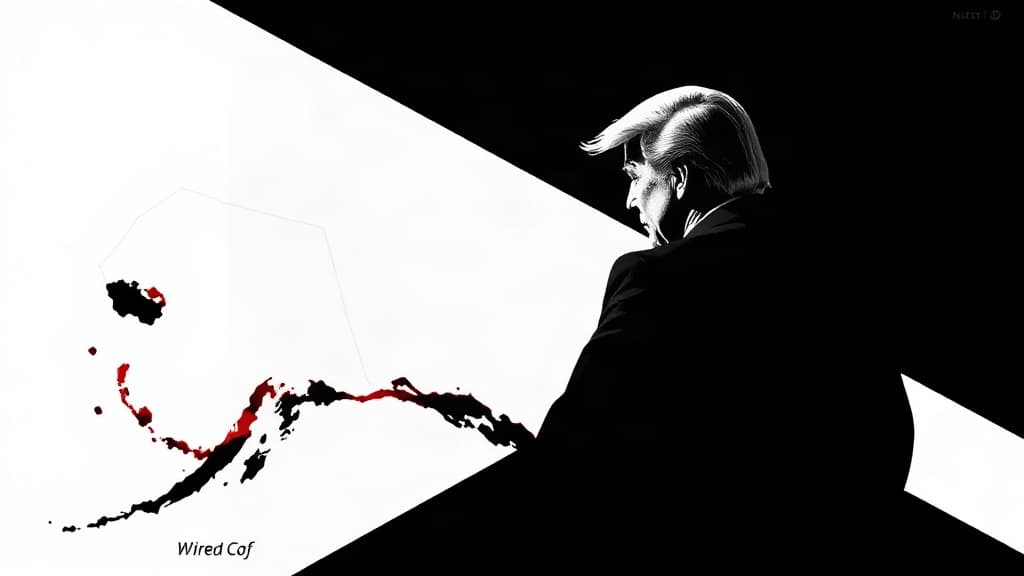
President Trump announced Friday the United States has secured majority control over 65 billion barrels of Venezuelan oil reserves — a deal he says will double American reserves and lower gas prices, but one that leaves working Americans with more questions than answers about who really profits when Washington cuts energy deals abroad while restricting production at home.
Trump declared it "THE BIGGEST OIL DEAL IN WORLD HISTORY" on Truth Social, crediting Secretary of State Marco Rubio and Defense Secretary Pete Hegseth with brokering the agreement alongside Venezuela's interim president, Delcy Rodríguez. The terms were negotiated "through a partnership with private business," Trump wrote, though he provided no details on which companies, which fields, or how the U.S. would actually exercise majority control over reserves sitting under foreign soil.
The stakes for ordinary Americans are real. Gasoline prices are climbing ahead of November's midterms, and cheaper crude could provide relief at the pump. The administration has also been scrambling to replenish the Strategic Petroleum Reserve. But the question nobody in Washington wants to answer: if the goal is affordable energy, why not unleash domestic production instead of cutting 100-year leases in the Orinoco Belt? Bloomberg reported that a century-long lease on Venezuelan oilfields was under discussion.
Follow the money. Chevron and other U.S. energy companies are expected to sign deals next week investing billions in Venezuela's oil fields, according to the Wall Street Journal. Those are the same companies that have lobbied for years to get back into Venezuelan crude. The "private business partnership" Trump referenced remains unnamed.
Then there's the political architecture. The U.S. removed former president Nicolás Maduro in a January special forces raid. His replacement? Delcy Rodríguez — who served as Maduro's vice president and petroleum minister. Other Maduro-era officials kept their posts, including Interior Minister Diosdado Cabello, who is reportedly collaborating with Trump officials despite having a $25 million U.S. bounty on his head for alleged drug trafficking. The exiled opposition leader María Corina Machado, whose movement is believed to have won the 2024 presidential elections, has been sidelined entirely.
The Venezuelan opposition is furious. One well-known opposition figure told The Guardian: "It's a land grab – a massive land grab. It's revolting because this is not the United States one would have [expected]. This is not the United States of the Marshall plan. This is a rapacious, mafioso United States." Economist Francisco Rodríguez called it a "predatory deal" done "at gunpoint." Former minister Ricardo Hausmann warned the interim government lacks legitimacy to strike such a deal.
The Guardian's coverage leaned hard into the opposition outrage and the imperial framing. The New York Post led with Trump's superlatives and the gas-price promise. The AP kept it straight and thin. What none of them pressed on is the domestic contradiction: both parties have spent years restricting American energy production — killing pipelines, locking up federal leases, regulating refineries into retirement — and now the solution is a military-backed oil deal in Caracas?
Trump insists the deal comes "at no cost to the American Taxpayer." The cost of removing Maduro, maintaining a presence in Venezuela, and securing the fields where American companies will operate — that math hasn't been shown.
The open question isn't whether Americans want cheaper gas. They do. It's whether a deal that depends on an installed government, rewards Maduro-era holdouts, and funnels production through corporate partners abroad is the way to get it — or just the latest chapter in Washington's long habit of solving problems it created by spending money it doesn't have in places it doesn't belong.