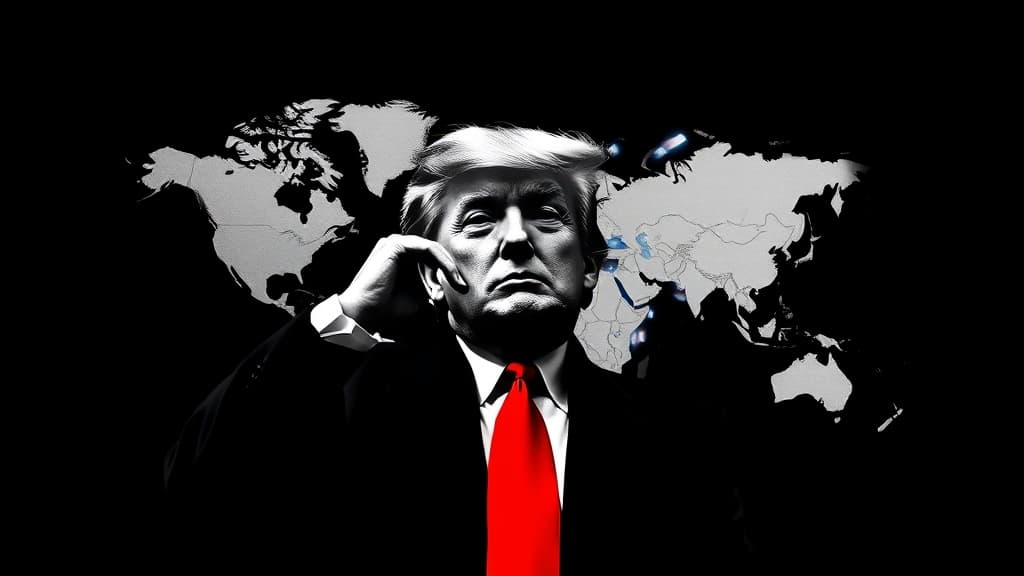
President Trump threatened to slap a 100% tariff on goods from any country that imposes a digital services tax on American tech companies — a direct warning to European nations that have been quietly extracting revenue from U.S. firms while hiding behind trade agreements.
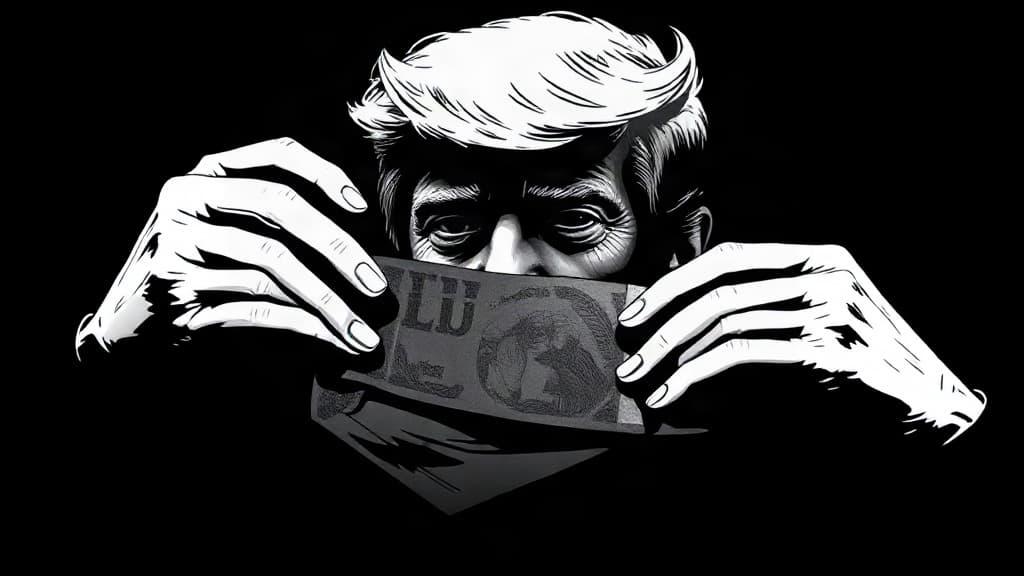
The stakes are straightforward: more than a dozen countries have already imposed or are considering digital services taxes that are deliberately structured to hit only the largest, most established tech companies — which happen to be American. Alphabet, Meta, and Amazon are the named targets. This isn't taxation; it's tribute. Foreign governments want access to the products American innovation built while skimming off the top.
Trump made the threat Friday on Truth Social, writing that the tariff "will be immediately imposed" should countries proceed with their digital-tax plans. He was explicit: "This TARIFF will supersede Trade Deals made with the Country, whether implemented, signed, or not."
That last line is the one that matters. The same globalist trade framework that offshored American factories and hollowed out Main Street now serves as a shield for foreign governments to tax American digital services without consequence. Trump is saying the shield comes down.
It's not theoretical. CNBC reported that last year Trump vowed to cut off all trade talks with Canada over its own proposed digital services tax. Ottawa scrapped the levy shortly before it was set to take effect. The threat worked once; he's expanding the playbook.
Both outlets noted the core facts — the 100% tariff figure, the targeting of U.S. tech giants, the European focus. But CNBC buried the significant legal question at the bottom: it is unclear what law would give Trump the authority to immediately impose massive tariffs on individual countries. The Supreme Court previously struck down Trump's "reciprocal" tariffs, ruling the International Emergency Economic Powers Act didn't authorize the administration to unilaterally impose sweeping global tariffs. Seeking Alpha didn't mention the legal obstacle at all.
The legal question is real, but so is the pattern: foreign governments design taxes that fall exclusively on American companies, then act shocked when an American president pushes back. The same establishment that waved off decades of one-sided trade deals is now wringing its hands over the mechanism of retaliation.
The open question is whether Trump can find legal footing this time — and whether the countries considering these taxes will follow Canada's lead and back down before finding out.