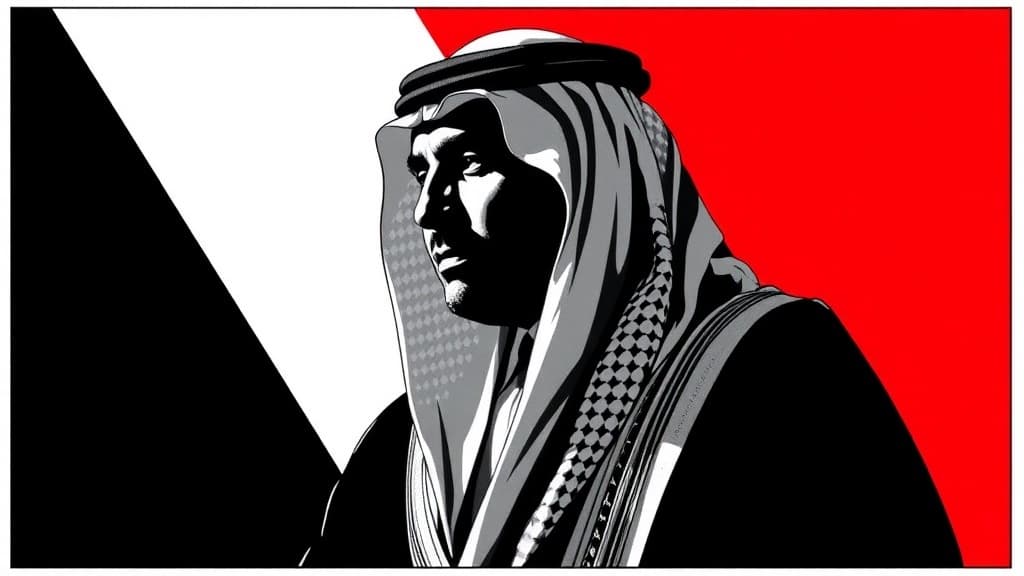
A Saudi prince just grabbed 19.5 million shares of American EV manufacturer Lucid Group — and Washington's green mandate machine is making sure that stake pays off at your expense.
Prince Al Waleed bin Talal Al Saud disclosed sole voting and dispositive power over the shares in a July 23 Schedule 13G filing, according to Benzinga. The stake was labeled "passive," meaning no board seat or operational control — a convenient framing that keeps regulatory scrutiny low while the money flows in. Lucid's stock spiked 22% on the news before settling back, but the real story isn't the day's chart. It's that foreign royalty is positioning to profit from federal policy that forces American consumers toward electric vehicles whether they want them or not.
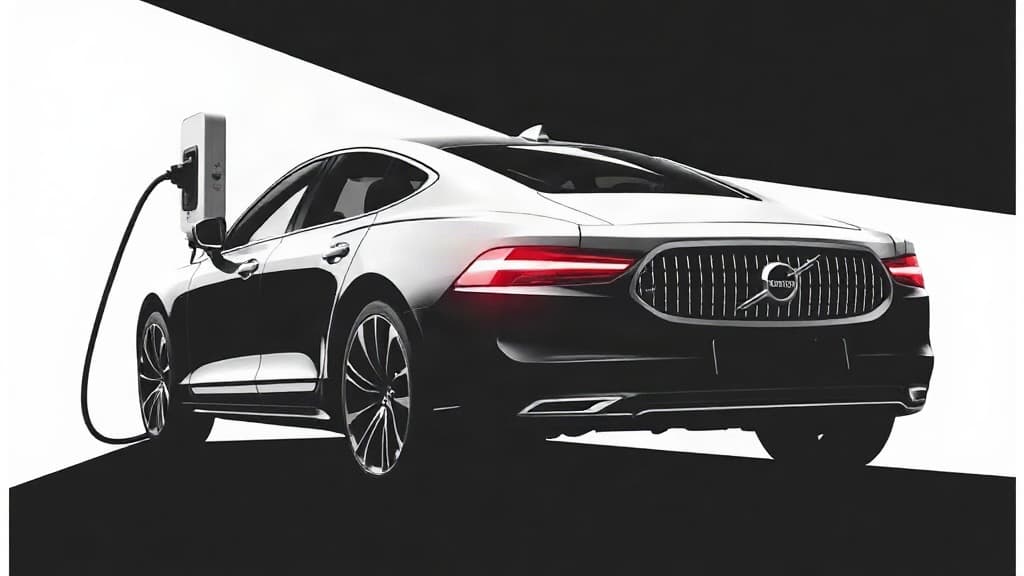
Lucid Group, headquartered in Newark, California, has long relied on Saudi backing. The kingdom's Public Investment Fund already held a controlling stake in the company. Prince Al Waleed's move deepens that ownership concentration. Every EV tax credit, every fleet mandate, every regulatory thumb on the scale for electric vehicles directs American consumer dollars and taxpayer subsidies into vehicles built by companies ultimately answerable to Riyadh.
The Benzinga report focused heavily on technical support and resistance levels — the 200-day simple moving average, MACD readings, short-term crossover signals. What got buried: the structural reality that an American manufacturer with a multibillion-dollar market cap is effectively a Saudi-owned enterprise operating on U.S. soil with U.S. policy tilting the playing field in its favor.
Meanwhile, the broader market picture shows who else is cashing in. AP News reports that Asian chipmakers — SK Hynix, Samsung, Tokyo Electron — saw massive selloffs as AI investment doubts spread, with South Korea's Kospi dropping 7%. Oil prices jumped over 3% after Iranian missile launches shattered a brief pause in Middle East fighting, with Brent crude hitting $84.58. The same foreign conflicts driving energy uncertainty are the ones Washington claims to solve by forcing a transition to EVs built by foreign interests.
The bipartisan deal is plain: both parties back green industrial policy that subsidizes demand for electric vehicles, and the companies positioned to capture that demand are increasingly foreign-owned. No one in Washington is asking why American industrial policy should enrich Saudi princes and Asian supply chains while American autoworkers face plant closures and layoffs.
Prince Al Waleed's filing says passive. The policy says otherwise.