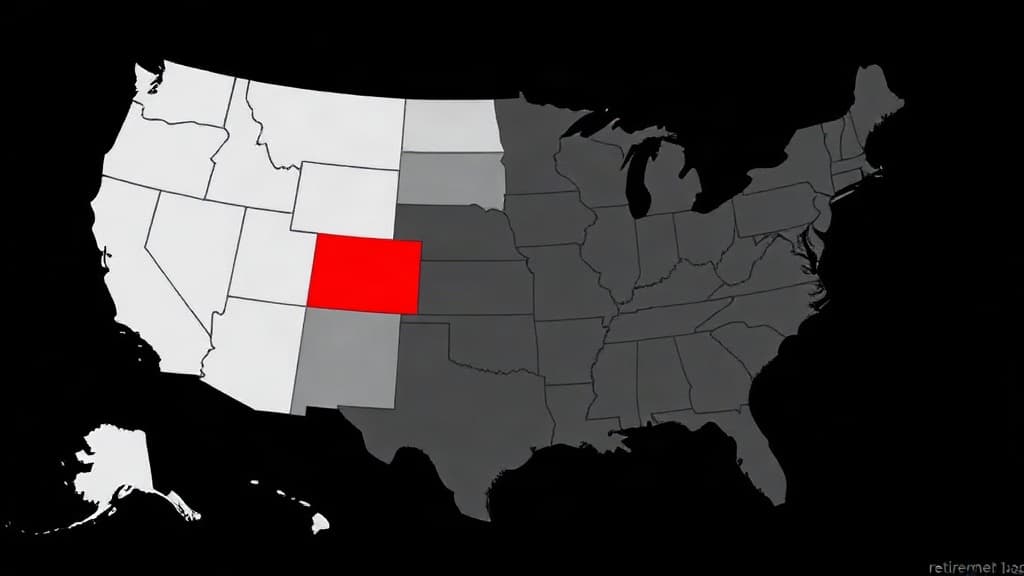
After a lifetime of paying into the system, some states still want their cut of your retirement savings—and where you live determines how much of your nest egg is actually yours.
State taxation on retirement income hits the three pillars of retiree earnings: Social Security benefits, pension payouts, and 401(k) withdrawals. According to Kiplinger, the state you retire in "impacts how much of your nest egg is truly yours" and "shapes your monthly budget during your golden years." The difference isn't trivial—it can mean thousands of dollars a year either in your pocket or in the state treasury.
The good news: depending on where you live, your state may not tax retiree income at all. Kiplinger reports that some states spare seniors from taxes on Social Security benefits, pension payouts, and 401(k) withdrawals, saving retirees thousands annually. The bad news: other states keep their hand out well into your retirement.
What Kiplinger didn't do is simply publish the list. Instead, they framed the story as an interactive quiz—"check out these five quick questions to test your knowledge." That's a format choice that buries the answer seniors are actually looking for. After decades of paying taxes, retirees deserve a straight map, not a game.
The broader picture matters because retirement taxation is a quiet drain that most workers don't calculate until it's too late. You spend a career paying income tax, payroll tax, and in many cases state tax on every dollar you earn. Then you retire, and in the wrong state, the government treats your pension and Social Security like fresh income to tax all over again.
Kiplinger's core point stands: where you retire can give you "a clearer sense of your long-term financial security." But clarity requires information, not a quiz funnel.
Meanwhile, Engadget's reporting in this cycle focused entirely on SAE automation levels for self-driving cars—an interesting tech story, but one that offers nothing on the tax question that hits every working American who hopes to retire someday.
The states that tax retirement income are counting on seniors not doing the math before they settle down. The states that don't are letting people keep what they earned.
The open question: why do any states still tax Social Security and pension income that was already taxed once when it was earned?