One drunk driver. One downed power pole. One neighborhood in the dark. A Saturday night DUI crash in Santa Rosa knocked out power for an entire area — another reminder that America's infrastructure sits one accident away from failure, and working families pay the survival tax.
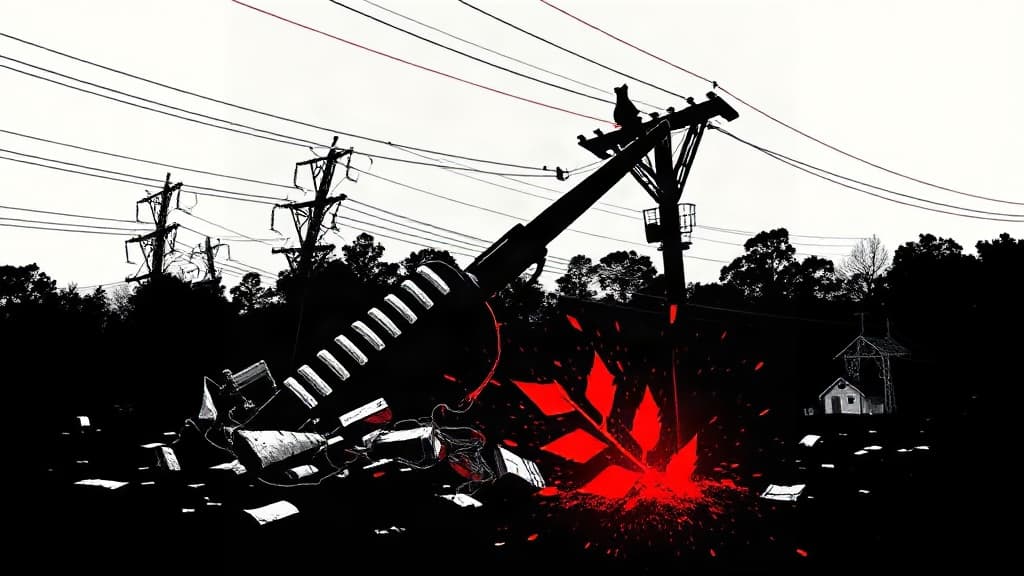
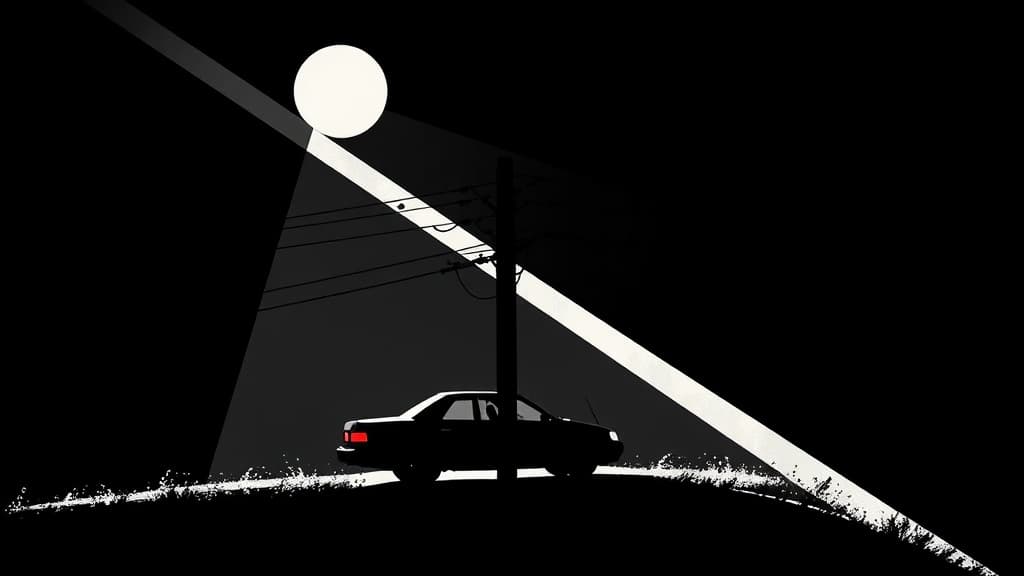
Maira Reyna Sancen Ramirez, 50, was arrested on suspicion of DUI after her vehicle struck a power pole near Bluebell Drive and Coffey Lane around 6:30 p.m., SFGate reported. The crash brought down electrical lines, forcing police to close the roadway and instructing residents and businesses to stay away until repairs were done. One collision. One pole. An entire area left without power.
That's not bad luck — that's a brittle system. When a single car can take out electricity for a whole neighborhood, the grid isn't resilient. It isn't hardened. It isn't being maintained. Meanwhile, Washington writes blank checks for foreign commitments while the infrastructure working Americans depend on hangs by a thread.
And it's not just the grid failing the people who rely on it. In Canton, Ohio, a 46-year-old woman was shot in her own bed the night of July 3 — struck in the back by a stray bullet from someone firing a gun into the air to celebrate the Fourth, the Akron Beacon Journal reported. The bullet pierced her headboard and hit her as she slept. "I can't feel my legs," she told 911. "Please hurry." Her husband's call captured the disbelief: "We heard a crack... I think someone shot a gun and it went through the wall of our house."
A 24-year-old man was arrested for firing the weapon alongside fireworks. Canton Police Chief John Gabbard didn't mince words: "The idea that firing weapons randomly into the air has no consequences, or knowing and ignoring those consequences is outrageous," he said in a department release. "'Celebratory gunfire' is dangerous and illegal."
Two stories, two states, same pattern: ordinary Americans bear the cost when the basics fail. In Santa Rosa, the basic is infrastructure — a grid so fragile that one drunk driver can darken a community. In Canton, the basic is public order — a culture where someone fires a gun into a residential sky and a woman pays for it lying in her own bed.
Washington can find money for everything except the things that keep the lights on and the bullets out of bedrooms. That's not a funding problem. That's a priority problem. Every dollar sent abroad or funneled to consultant-class pet projects is a dollar not spent hardening the pole on Coffey Lane — or policing the block on 20th Street NE. Working Americans know what they're paying. They know what they're not getting. The only question is how many more poles have to fall before someone in power notices.