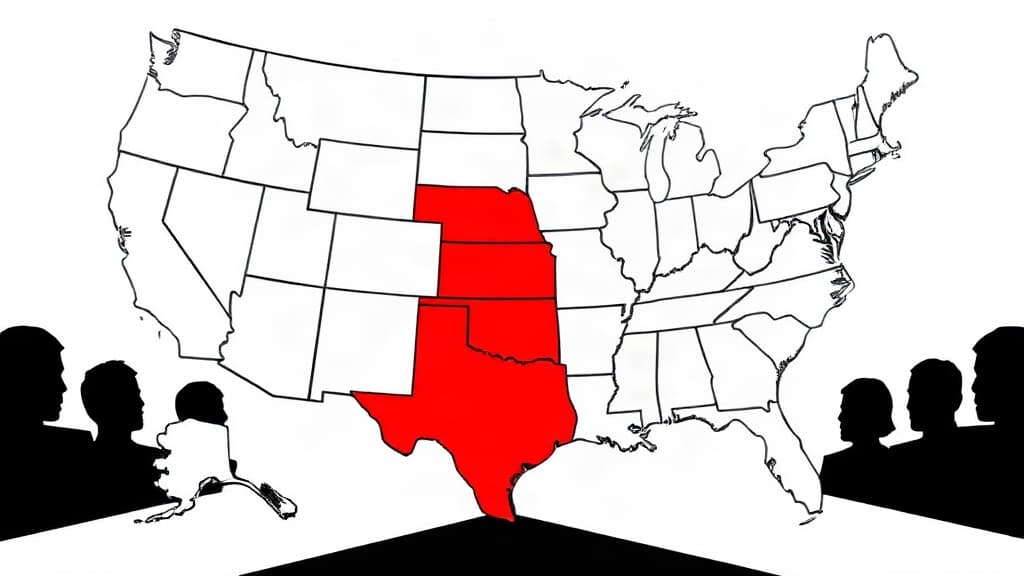
Oakland Unified slashed 421 jobs to close a $100 million budget hole, then immediately approved a teachers union contract estimated to cost nearly $40 million over three years — and taxpayers in both California and Alabama are footing the bill for the same kind of government-school dysfunction that only parental choice can fix.
The stakes are straightforward: every dollar burned by administrative mismanagement and political patronage is a dollar that doesn't reach a classroom, and every family trapped in a failing district is a family denied the freedom to leave.
In Oakland, the district exited more than two decades of state oversight just over a year ago — and promptly blew a nine-figure hole in its budget. School board member VanCedric Williams boasted the district has "cut close to $200 million" over two years. Superintendent Denise Saddler claimed officials "prioritize our instructional program" and kept most cuts out of the classroom.
The record tells a different story. According to the Mercury News, February layoffs included counselors, literacy coordinators, social workers, assistant principals, teachers, reading tutors, custodians, and behavior specialists. The district refused to answer questions about which services and staff were cut. Then, less than 48 hours after approving those 421 layoffs, the board signed a tentative contract with the teachers union promising double-digit wage increases. Alameda County Superintendent of Schools Alysse Castro warned in an April letter that the labor deal could threaten the district's ability to balance its budget by summer. "OUSD is continuing a pattern of adding new expenses before making the cuts and tradeoffs to afford them," Castro wrote.
Half a continent away, Bessemer, Alabama offers the same lesson in monopoly failure under a different format. The Alabama State Department of Education suspended the Bessemer Board of Education in January 2026 after the board canceled six meetings in six months because it couldn't muster a quorum, according to AL.com. State Superintendent Eric Mackey cited "clearly dilapidated school facilities" and ongoing board dysfunction as grounds for intervention under the Educational Accountability and Intervention Act.
The district serves roughly 3,000 students across nine schools. That's a small system, and it still couldn't function. Under state intervention, elected board members serve only in an advisory role and can meet only when the state superintendent approves. Bessemer voters will elect all seven board seats on August 25, but winners will still operate under state control.
Mackey called improvement in Bessemer "remarkable" and credited the state-appointed chief administrative officer and a new superintendent. Maybe so. But the pattern is clear: the system only corrects when an outside authority imposes accountability — and even then, local parents remain locked into whatever the government provides.
Oakland ran up a nine-figure deficit and handed raises to the union that helped create the political pressure. Bessemer's elected board couldn't even show up for meetings while school buildings crumbled. In both cases, the people with the least power are the families who can't afford to go elsewhere.
The question isn't whether state oversight or better budgeting can patch the next crisis. It's how many more failures it will take before parents get the only reform that actually disciplines a monopoly: the freedom to take their children — and their tax dollars — somewhere else.