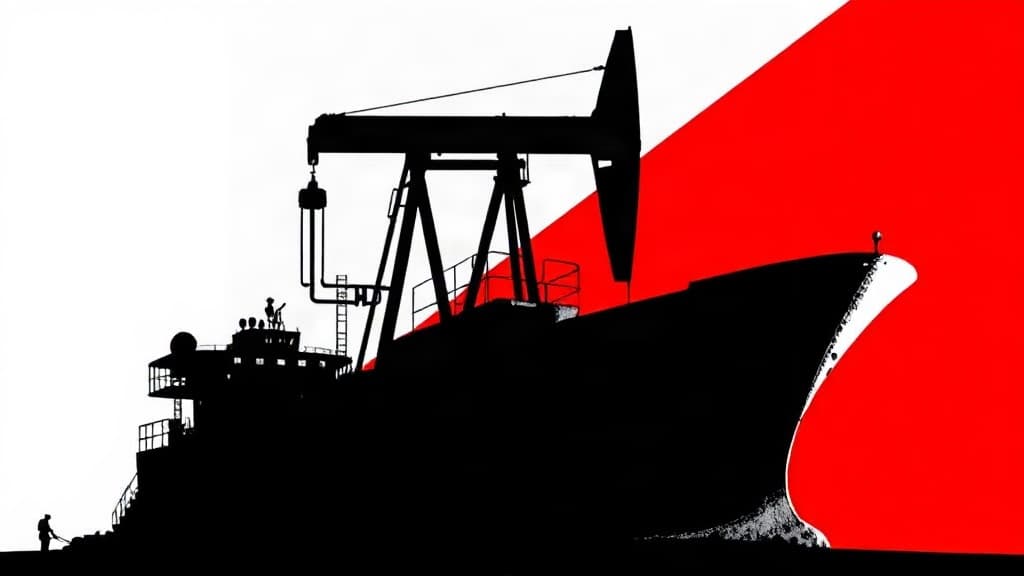
Oil flows through the Persian Gulf have roared back to two-thirds of pre-war levels, according to Goldman Sachs analysts — a recovery that means real money back in working Americans' pockets, even as the green lobby and the establishment press hoped for exactly the opposite.
The numbers buried in a note to investors tell the story nobody in the mainstream press wants to headline: 15 to 16 million barrels per day of oil and gas are now transiting the region, up from a March nadir of just 5 to 6 million bpd. The Washington Examiner reported that 8 to 10 million bpd are moving through the Strait of Hormuz alone, with another 7 to 8 million bpd circumventing the chokepoint via U.S. Navy escorts, the Saudi East-West pipeline, and the UAE's Fujairah pipeline. That's not a geopolitical footnote — it's the difference between $4 gas and $3 gas, between a heating bill that breaks a family and one that doesn't.
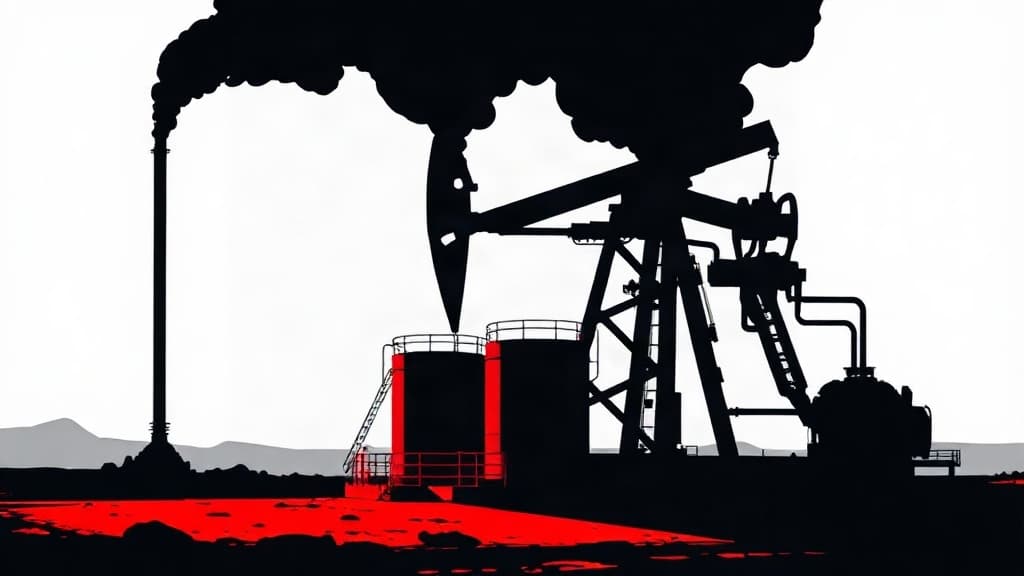
The recovery didn't happen by accident. The White House has been fighting what the Examiner called "a concerted, anti-American psy-op" against domestic energy production. While the EPA and the green lobby work to strangle American oil and gas at home, the administration has forced the lanes open abroad. Energy independence is economic independence — and the people who want to control how you live hate that they can't control the wellhead.
On a separate front, the administration is also projecting force closer to home. Fox News reported that senior White House officials are claiming "the largest and steepest reduction in U.S. casualties inflicted by the cartels in American history" after dozens of lethal military strikes against suspected narco-trafficker vessels. U.S. Southern Command operations have driven a 65% reduction in illicit maritime activity in the Western Caribbean, 60% in the eastern Caribbean, and nearly 50% in key Eastern Pacific regions, according to officials. The administration says countries including Colombia, Peru, Ecuador, Honduras, Costa Rica, and El Salvador are now partnering to treat cartel activity as a military threat.
And through all of this, the White House hasn't held a formal press briefing in over 40 days. Baltimore News reported that Karoline Leavitt departed as press secretary on Aug. 27 with no successor named — though Scott Jennings, Principal Deputy Press Secretary Anna Kelly, and Communications Director Steven Cheung have been floated. Leavitt's parting advice? Recognize that Trump is "his own best spokesperson." Trump himself told reporters he'd received an unusually large number of applications for the job, saying Leavitt had made the position "very glamorous."
The message is clear enough: the administration is delivering results on energy and security while treating the briefing room as an afterthought. The press corps can wait.
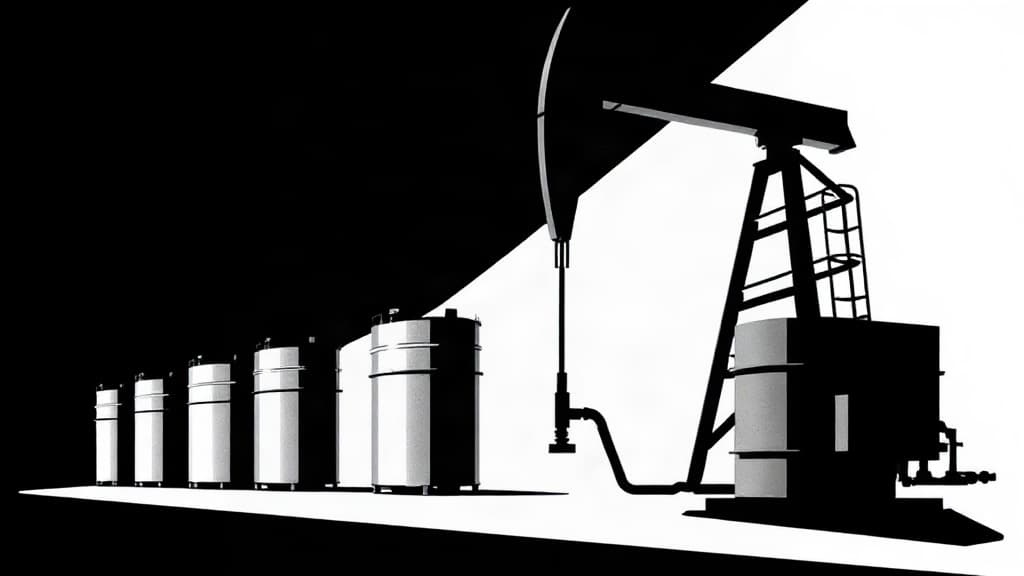
The open question is whether the energy gains hold. The green lobby isn't going anywhere, and every barrel that flows through the Strait of Hormuz still runs through a chokepoint that a hostile Iran could threaten tomorrow. Domestic production — the kind the EPA keeps throttling — remains the only insurance policy that actually insures.