Florida just passed one of the largest property tax cuts in American history, and the working families who rent their homes are the ones most likely to pick up the tab.
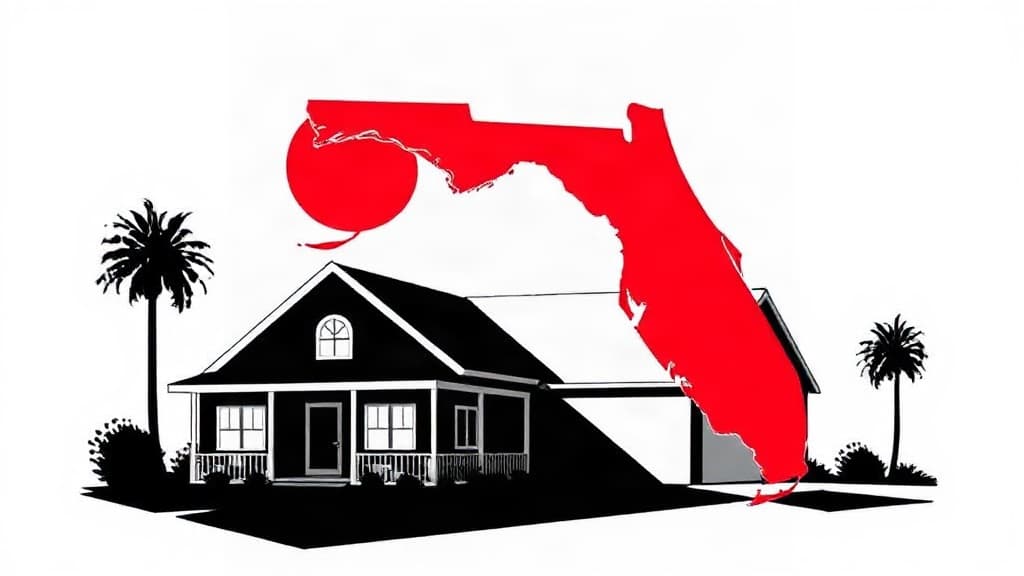
Amendment 3, approved by roughly 62 percent of Florida voters, raises the exemption on nonschool property taxes from $50,000 to $150,000 in 2027 and $250,000 in 2028. For homesteaded homeowners, that means real savings. For everyone else — renters, small-business owners, commercial-property holders — it means local governments will be hunting for new revenue to fill a gaping $12 billion recurring hole.
Governor Ron DeSantis wanted even more. He pushed for full elimination of property taxes on homesteaded properties and refused to campaign for the amendment because it didn't go far enough. But after it passed, he celebrated it as a "big win for Florida homeowners." DeSantis now points to the measure as proof his state bucked the GOP's disastrous midterm trend, telling CNN that the national results were "close to an extinction-level event for Republicans" while Florida held firm.
The question nobody in Tallahassee wants to answer honestly: who pays when you carve $12 billion out of local government revenue?
Sadaf Knight, CEO of the Florida Policy Institute, told Newsweek that communities will be forced to make up the gap "either by cutting or eliminating services or raising fees and other assessments to maintain them." Knight warned that attention will turn to "non-homesteads like rental units and commercial properties to raise property taxes." In plain English: landlords pass those costs to tenants. The mechanic renting a two-bedroom apartment in Tampa doesn't get a $250,000 exemption. She gets a rent hike.
Newsweek framed the story around whether Amendment 3 helps or hurts DeSantis's 2028 presidential ambitions, quoting University of South Florida emeritus professor Darryl Paulson on the governor's personal unpopularity. CNN barely mentioned the tax cut at all, focusing instead on the broader 2028 governor-versus-Vance dynamic. Both outlets missed the structural story: this is a wealth transfer from renters and small businesses to established homeowners, wrapped in the language of tax relief.
DeSantis told the New York Times that "VPs tend to be derivative," a clear shot at JD Vance. But the more relevant question for 2028 isn't whether voters like DeSantis personally. It's whether a tax structure that rewards ownership while penalizing the renting class is sustainable — or even conservative.
Florida's local governments will start making hard choices soon. Cut police and fire, or raise the millage rate on the apartment complex down the street. Either way, the people least able to absorb the cost are the ones who'll feel it first.