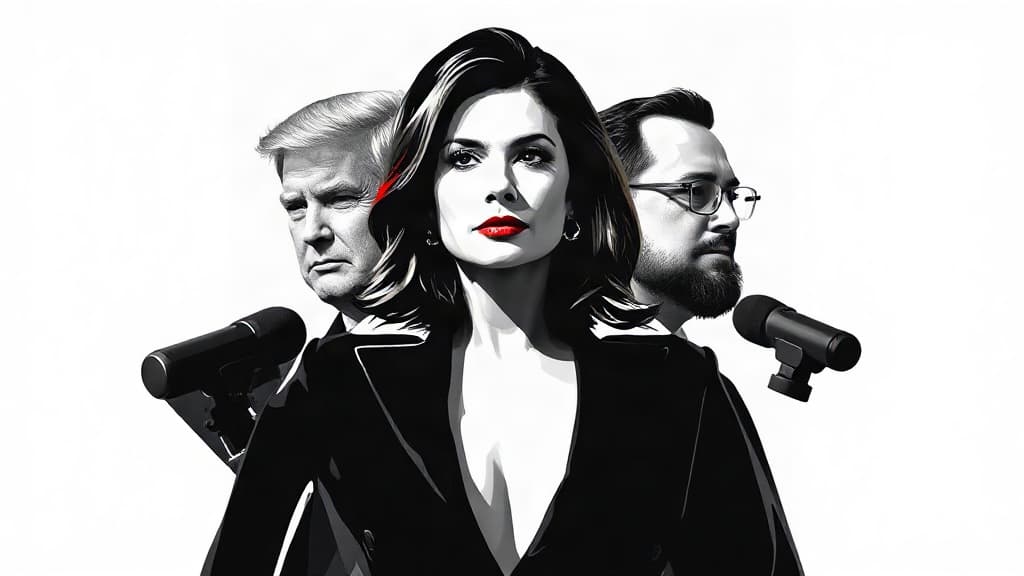
Federal Reserve Chair Kevin Warsh is expected to raise interest rates Wednesday for the first time since 2023—siding with every major bank on Wall Street over the president who appointed him and the working Americans who will foot the bill.
A quarter-point hike would push the Fed's benchmark to roughly 3.9 percent, making credit cards, car loans, and mortgages more expensive across the board. CME Group's FedWatch tool puts the odds above 90 percent. Barclays, Citigroup, JPMorgan, Morgan Stanley, and UBS all forecast tightening, with Bank of America, Deutsche Bank, and RBC calling for 75 basis points by year-end. The same financial establishment that fueled the inflation crisis now profits from its cure: the 10-year Treasury yield has already crossed 5 percent, its highest since 2007, pulling cash into the safe arms of bondholders while risk assets and working-class borrowers take the hit.
Warsh boxed himself in with a Jackson Hole speech last month warning that inflation remains too far above the Fed's 2 percent target. August CPI came in at 3.4 percent annually; core inflation ran at 2.5 percent. The Fed's preferred PCE measure hit 3.7 percent in July. The numbers gave Warsh his pretext.
But the causes of that inflation deserve scrutiny. WDIV reported that before Trump's tariffs, PCE inflation had fallen to 2.3 percent. The Iran conflict pushed gas prices sharply higher, lifting inflation from there. Deutsche Bank analysts identified three forces the Fed is tracking: energy, tariffs and supply chains, and AI—with at least two pointing to more pressure ahead. The policies Washington chose created the fire; now the Fed proposes to put it out by burning the borrower.
The hike puts Warsh directly at odds with Trump, who has pushed publicly for cuts. "We should be at 1 percent or a half a percent," Trump said September 4. "We shouldn't be at 4 percent." He later posted: "A STRONG COUNTRY MEANS A LOWER INTEREST RATE." At Warsh's swearing-in in May, Trump told him to be "totally independent." NBC noted that Trump adviser Kevin Hassett—who was himself a candidate for the Fed chair job—said the president "will have an opinion" about a rate hike while "respecting the independence of the Fed." Translation: the White House will grumble but won't stop it.
Warsh's connections offer some insulation. His father-in-law is Ronald Lauder, billionaire donor to Trump's campaigns and president of the World Jewish Congress. WDIV reported that MIT professor and former Bank of England policymaker Kristin Forbes said Warsh "cares about his legacy" and knows that Fed chairs who "follow political pressure instead of the economy do not go down well in the annals of history." That framing—cast independence as defiance of elected officials rather than accountability to the public—serves the institutional class well.
KPMG chief economist Diane Swonk argued the paradox: "A hike now could lower long-term rates later. Restore faith in the 2 percent target, then the inflation premium can fall. Fail, and markets will tighten instead." That's the establishment case: pain now for stability later. Working Americans have been hearing that promise for years.
The last time Warsh held rates steady in July after tough inflation rhetoric, investors pushed long-term rates higher on their own, and mortgage rates followed. Three of twelve voting FOMC members dissented, wanting a hike then. For the six in ten Gainesville residents who rent—and renters nationwide—the first hit comes through variable-rate credit cards, not mortgages. Over time, higher borrowing costs mean fewer apartments built, fewer small-business loans issued, and an economy that slows to accommodate the Fed's spreadsheet.
The question Wednesday isn't whether rates go up. It's who pays for the inflation that Washington's own policies created—and the answer, as usual, won't be the people who caused it.