The Federal Reserve is expected to raise interest rates again this week as oil surges past $100 a barrel and diesel hits an all-time high of $6 a gallon—meaning working Americans will pay more to fuel their trucks and more to borrow money for the privilege.
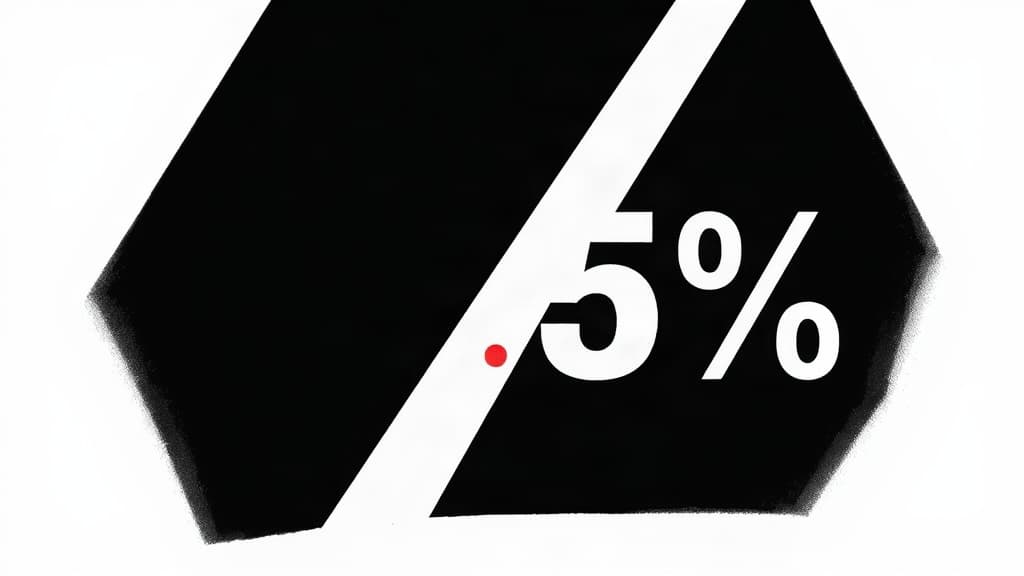
CME Group data shows 90% of trading circles expect a 25 basis point hike on Wednesday, according to OilPrice. The European Central Bank already moved first, hiking its key rate to 2.5% on Thursday and warning that price pressures from the Iran conflict could prove lasting. ECB policymaker Martins Kazaks told Reuters that rates "may need to wade into restrictive territory" and that 2.5% "should not be seen as a ceiling."
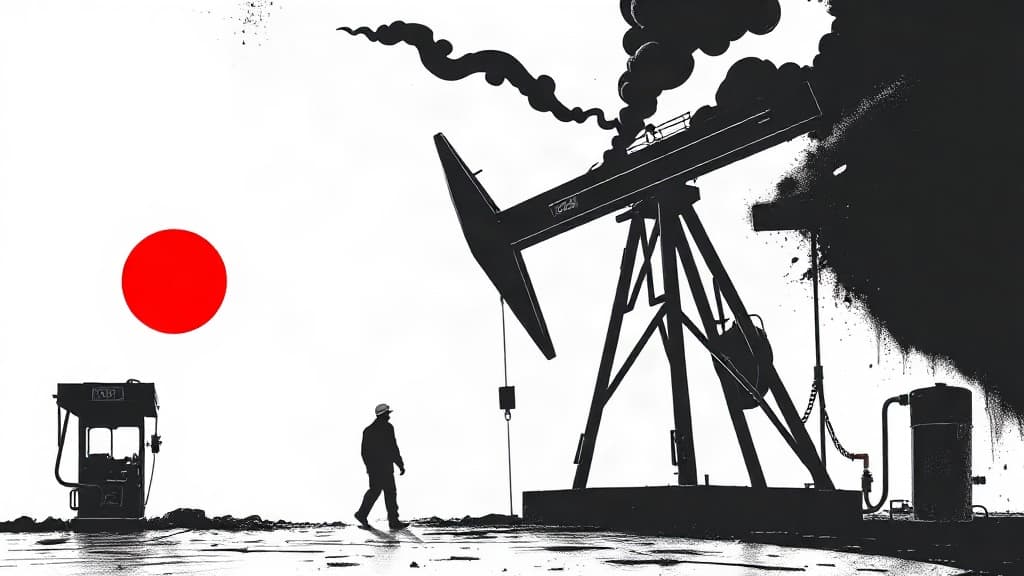
The Iran war is the blunt force driving this. "People are finally waking up to the risk that the Iran war will be prolonged, and so relief is no longer in sight for energy prices," MPA Macro analyst Derek Tang told OilPrice. Brent crude briefly topped $108 in Asian trading. Diesel hit $6.20 a gallon as of Sunday, per AAA data cited by OilPrice. Regular gasoline averaged $4.31. Those aren't abstract numbers—they're the surcharge on every product moved by truck in this country, passed straight to the consumer.
August inflation came in at 3.4%, with core consumer prices rising 0.29% from July—double the pace needed to reach the Fed's 2% target, ING analysts noted. Euro zone inflation stood at 3.3%, and Kazaks warned that with the economy running at capacity, higher fuel costs will pass through to wages and other prices more easily. In other words, the spiral isn't stopping on its own.
Europe Says reports that the coming Fed decision may come "in defiance of President Donald Trump's wishes"—a political dynamic worth watching, but one that doesn't change the math on Main Street. The Fed's chief U.S. economist at Oxford Economics described the situation as a "knife edge," framing the choice as whether the pace of inflation decline is comfortable enough to stand pat. It isn't.
What the institutional coverage soft-pedals is the causal chain: the same central bankers who flooded the system with cheap money and the same policymakers who restricted domestic energy production are now telling Americans the cure is more expensive credit. Reuters framed the ECB's moves as careful and "stepwise." OilPrice led with the data on pump prices that actually hit people. The difference matters.
The question neither outlet answers: who profits when borrowing costs rise and the dollar tightens while energy stays expensive? Follow the money. Wall Street hedges. Small businesses don't.