The Federal Reserve's next interest rate decision is swinging on Amazon Prime Day retail data — while inflation-adjusted wages have fallen for six straight months and the economy just shed 23,000 jobs.
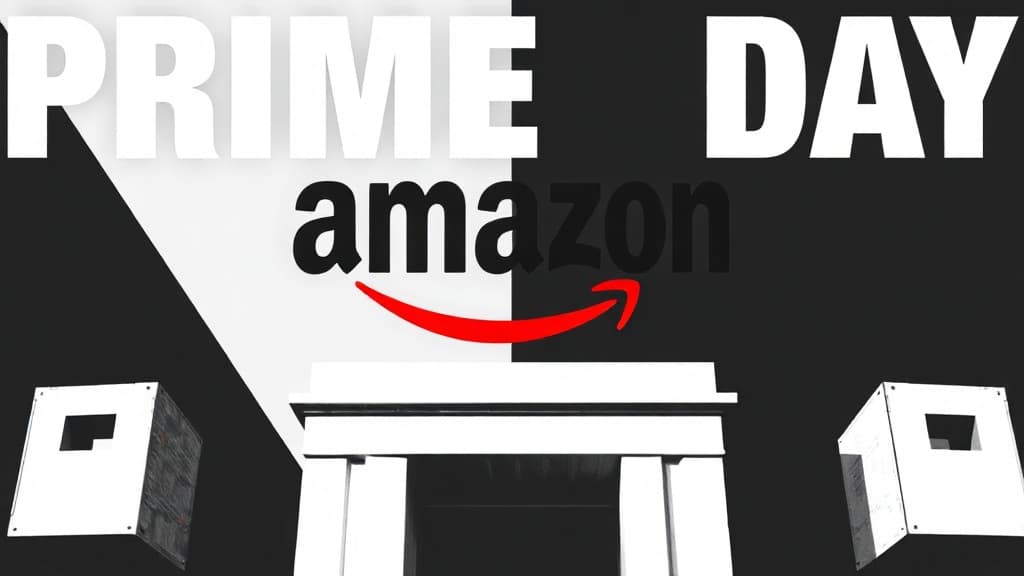
This is central banking in the age of Big Tech dominance. Investor's Business Daily reported that Amazon Prime Day's effect on retail sales has shifted the odds of a September rate hike. The institution charged with managing the dollar for working Americans is treating a corporate shopping holiday as a macroeconomic signal, even as real paychecks keep shrinking.
The CME Group's FedWatch tool now shows a better than 65% chance the Fed holds rates steady at its September 15-16 meeting — a reversal from just a week ago, when most investors expected a hike, according to the Washington Examiner. What drove the shift? Softer inflation numbers. CPI fell to 3.4% in July, rising just 0.1% for the month. Producer prices were unexpectedly flat. Dan North, senior economist at Allianz Trade, told the Washington Examiner: "We pretty much hit everything on the CPI report and on the PPI report; just about everything was better than expected, substantially."
But here's what the headlines skip: inflation is still more than a full point above the Fed's 2% target and has been for over five years. And the forces that drove it there — the U.S.-Israeli war with Iran, tariffs, the AI investment boom — haven't gone anywhere. Reuters reported that PCE inflation hit 4.1% in May after war-induced energy spikes before easing to 3.7% in June.
The labor market tells two stories. The economy lost 23,000 jobs in July — the first negative report since February. Inflation-adjusted wages have declined for six months straight, Reuters reported. But the unemployment rate sits at 4.1%, and that's the number the Fed watches. Jai Kedia, an economist at the Cato Institute, told the Washington Examiner: "If you view this from the Fed's perspective, their preferred metric of 'a good jobs market' is the unemployment rate, and the unemployment rate has barely budged."
Translation: the headline number says the labor market is fine. Your paycheck says otherwise.
Richmond Fed President Thomas Barkin argued that much of the inflation surge came from shocks that "should pass." He also said that public perception matters: "The more the headlines are 'inflation coming down,' I think that keeps expectations in check." The reality on main street is that prices are still climbing — just slower than before.
Mark Hamrick, chief economic analyst for the Hamrick Brief, warned that gasoline prices — a major driver of the recent inflation cooldown — have already rebounded. "That raises a risk that the August data will not be so benign," he told the Washington Examiner. Whatever happens with the war in Iran this month could wipe out the soft inflation readings the Fed is celebrating now.
Reuters framed the story around Kevin Warsh's divided Fed and the crossroads of monetary policy; IBD framed it around Amazon's retail sway over rate odds; the Washington Examiner focused on the softer data itself. None of them connected the dots: when a single Big Tech shopping event moves the needle on interest rates that determine whether a small business can afford a loan, the tail is wagging the dog.
Fed Governors Christopher Waller and Lisa Cook have both said they'd support rate hikes unless inflation cools. Markets still price in a more than 90% chance of a higher rate by year's end. But for September, Big Tech's retail data bought the Fed a pause.
The Fed meets September 15. By then, another jobs report and another month of gas prices will be on the table — and the war that drove inflation skyward in the first place will still be raging.