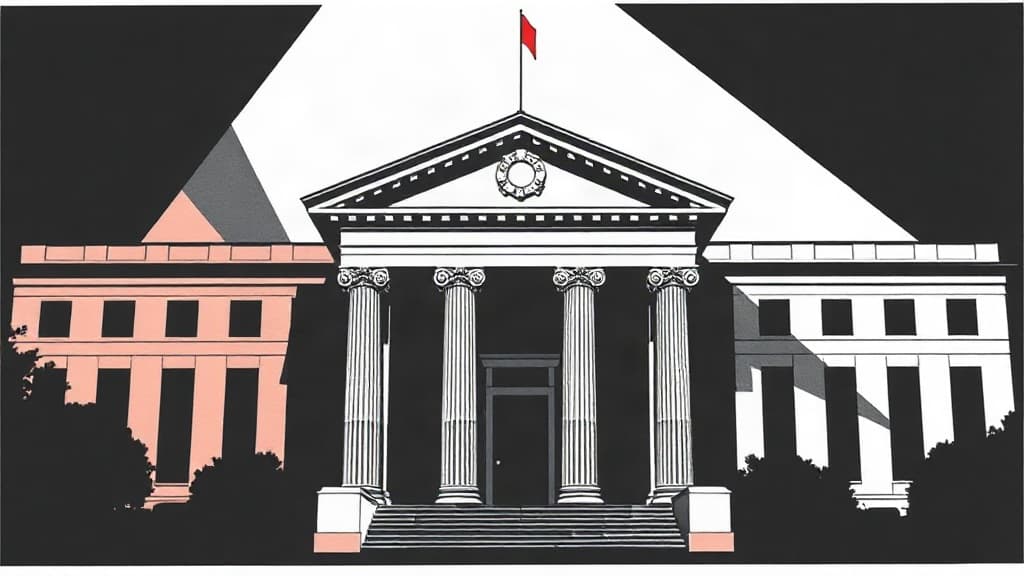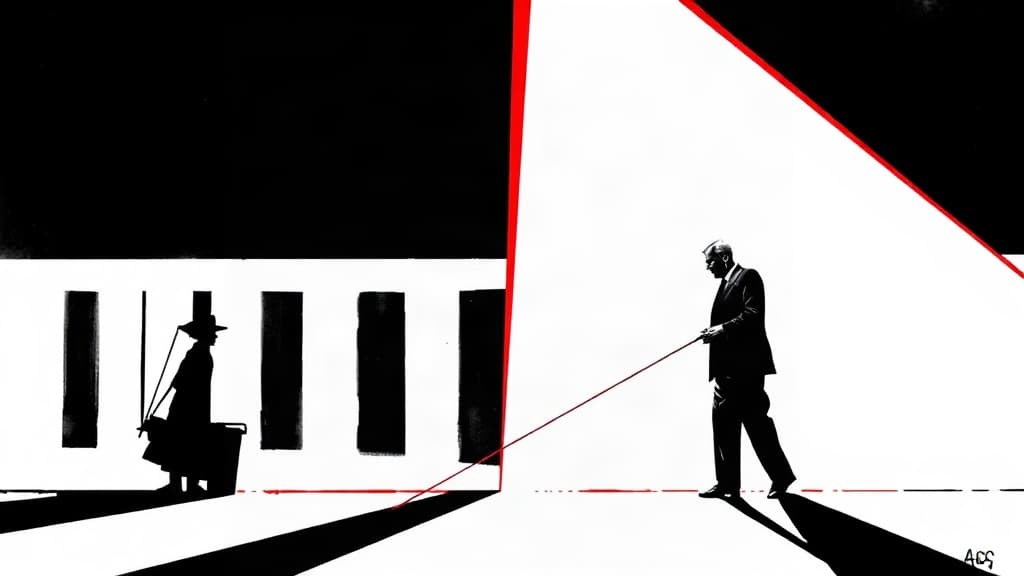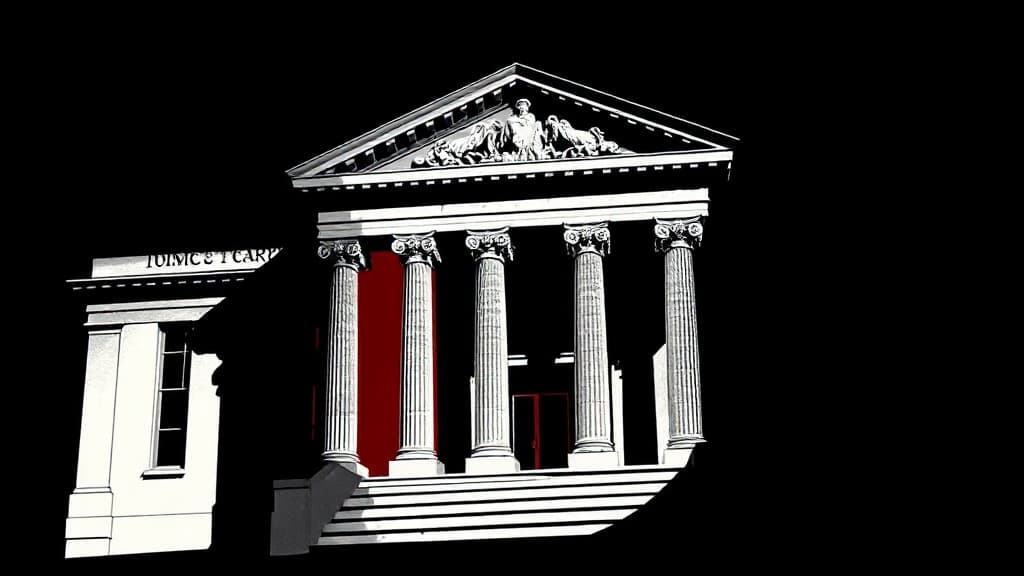
The Federal Reserve is keeping interest rates at 3.5 to 3.75 percent and signaling they may go even higher—a decision that preserves yield for Wall Street while choking off the credit Main Street needs to buy homes and run small businesses.
Minutes from the June meeting, Kevin Warsh's first as chairman, reveal a central bank split on whether to hike or hold but united in refusing to cut. The inflation officials cite as justification was driven by a foreign war and an energy shock that working Americans had no say in starting—and the real wage gains they earned early in President Trump's second term have already been wiped out by the resulting price surge.
The split is real. According to the minutes, "many participants" said rates would stay "within or slightly below" the current range by year's end, while "many other participants" assessed rates would go higher. A "few" officials even said they could have supported a rate hike at the June meeting itself, Forbes reported. Nine of the 18 FOMC members indicated they favor at least one hike this year after a "majority" said a hike may be appropriate if inflation persists above the Fed's 2 percent target.
Warsh described the internal disagreement as a "family fight" that ended with a unanimous vote to hold steady, according to IBT. But for families outside the Eccles Building, there is no such unity of interest: the people who lend money are getting paid, and the people who need to borrow are getting squeezed.
The inflation excuse is thin. Core PCE—the Fed's preferred gauge—hit 3.4 percent in May, the fastest in nearly three years. Core CPI climbed to 4.2 percent annually. Gas prices surged 59 percent year-over-year. The driver is the Iran conflict, which sent oil and energy costs soaring. The New York Times also noted officials flagged AI infrastructure buildout and tariffs as additional inflationary pressures. These are supply shocks and policy choices, not a labor market running too hot. But the Fed's answer is always the same: make borrowing more expensive for everyone.
The consequences land on Main Street. NewsBreak reported that the average 30-year fixed mortgage rate sits at 6.43 percent and is unlikely to dip below 6 percent through the New Year. IBT noted that inflation-adjusted wage gains many American workers accumulated during the first year of Trump's second term have "largely disappeared" following the price spike. Used EV prices jumped 12 percent last month alone as gas-strapped consumers chase alternatives.
Breitbart and the Times both reported that officials considered scenarios where inflation remains stubborn—driven by the Iran war, AI demand, and tariffs—which would require higher rates to bring prices down. "Almost all" officials said policy firming would be warranted if inflation doesn't retreat, the minutes state. Translation: the default direction is up, not down.
The Forbes write-up emphasized that some officials view current policy as "too restrictive" and supported a cut—but they too ultimately voted to hold. Nobody on the committee fought for the borrower.
The Fed says it will "deliver price stability" and that future actions depend on incoming data. But the data so far tells a story about who pays: the working American who fills a gas tank, signs a mortgage, or tries to expand a small business pays for inflation sparked by foreign conflict and fed by institutional caution. The yield on capital gets protected. The cost of living gets passed downhill.
Warsh's Fed has made its first move: hold the line, protect the lender, and wait. The question is how long Main Street can afford to wait with them.