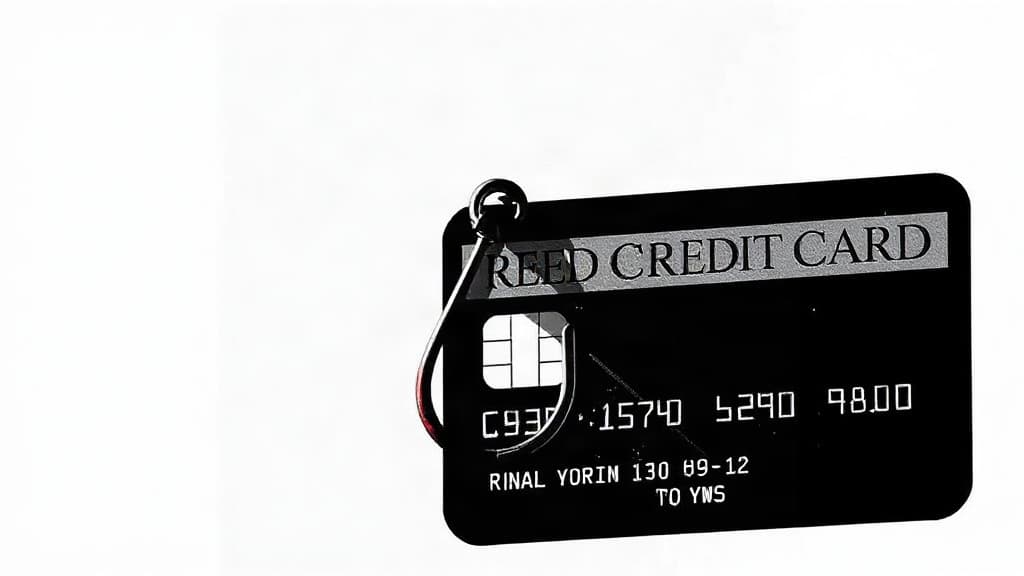
Nearly 13% of credit card balances are now in serious delinquency while banks dangle 2% cash-back rewards at interest rates ten times that — the points are the bait, the compounding debt is the hook.
The Federal Reserve's rate regime has pushed the average credit card interest rate to just under 21%, and the math for working Americans carrying a balance is brutal. According to the Federal Reserve Bank of New York's latest Quarterly Report on Household Debt and Credit, 6.97% of credit card balances transitioned into serious delinquency — 90 days or more past due — between Q1 and Q2 of 2026, pushing the total serious delinquency rate to 12.92%. That's families drowning, not flukes.
CNBC, which runs a side business hawking credit card recommendations, acknowledged the trap but framed it as a personal-finance "choice": "If you're prone to overspending or unexpected expenses come up, a flashy rewards card can hurt you in the long run." The admission is buried beneath the standard advice format. The reality is starker — rewards cards typically charge higher interest rates than credit-building cards, on top of steeper annual fees. The house always wins.
Consider the arithmetic CNBC laid out: A flat-rate 2% cash-back card earns you $20 on $1,000 in spending. Carry even a $300 balance for one month and you owe roughly $5.25 in interest. The average interest rate is more than ten times the rewards rate. One unexpected car repair, one medical copay, and the rewards evaporate — then the principal starts compounding.
Meanwhile, the banks are tightening the doors behind them. The Fed's July 2026 Senior Loan Officer Opinion Survey found that credit card lending standards have gotten stricter, with banks reporting tightening across all loan categories except commercial and industrial loans. Translation: the leveraged class still gets cheap money; the paycheck-to-paycheck class gets squeezed.
When traditional lenders pull back, subprime operators fill the gap. Financial technology company Atlanticus, which targets consumers declined by other lenders, reported revenue growth in credit cards and private-label credit receivables for the first six months of 2026, driven by new customer acquisition. The vulnerable get targeted; the cycle deepens.
The Orange County Register had nothing on any of this — its editorial slot went to a nostalgia column about a Deep Purple concert. The financial press sells the rewards; the local press doesn't show up. Working Americans are left to figure out the trap on their own.
The question isn't whether Americans should "choose wisely" — it's why a system this tilted toward the issuer keeps getting sold as a consumer benefit.