California voters look ready to make a "temporary" tax on high earners permanent — locking a revenue grab into the state constitution five years before it would even take effect — just as new federal data show inflation reheating across the country and working Americans already struggling with $4.25-a-gallon gas.
The pattern is as old as government itself: sell a tax as a temporary emergency measure, then make it permanent once the money starts flowing. Proposition 3 would do exactly that, cementing tax rates on individuals earning more than $371,000 that voters first approved in 2012 and extended in 2016. The rates were pitched as a fix for a fiscal crisis. That crisis is over. The tax isn't going anywhere.
Fifty-eight percent of likely voters support the measure, unchanged from a September survey by the Public Policy Institute of California, the New York Post reported. Support is strongest among voters earning less than $40,000 — at 77% — and among renters, at 69%. The Central Valley is the only region close to split, at 51% yes and 48% no.
Follow the money. The California Teachers Association has poured $58.3 million into the Yes on 3 campaign — 87% of its total funding. The union warns of doom if the measure fails: "an immediate 15% cut to funding for public schools and community colleges, with one in every six educators potentially losing their jobs," CTA said in a statement. Notice the framing: keeping tax rates at their current level is now a "cut." The union also insists Prop 3 "will not raise taxes on anyone" — it merely extends what was supposed to expire.
Opponents say that's the whole problem. David Kline of the California Taxpayers Association told the California Post the measure would "put a tax increase in the California Constitution five years in advance" — taking effect in 2031, when state finances could look entirely different. State revenue has surged and school spending is at record levels. "Voters should leave their options open and monitor how their existing tax dollars are being spent, not rush into a premature tax increase that makes our state less competitive," Kline said.
The Howard Jarvis Taxpayers Association put it more bluntly in its voter guide: "California has the highest income tax rates in the nation, and every year the state has a bigger budget and a higher cost of living to show for it."
Sonja Shaw, the Republican-backed candidate for state superintendent of public instruction, told the Post her answer is "Heck no." "We are in the middle of a serious crisis in this state as it relates to cost of living. Families are struggling," Shaw said. "Now is not the time to raise taxes."
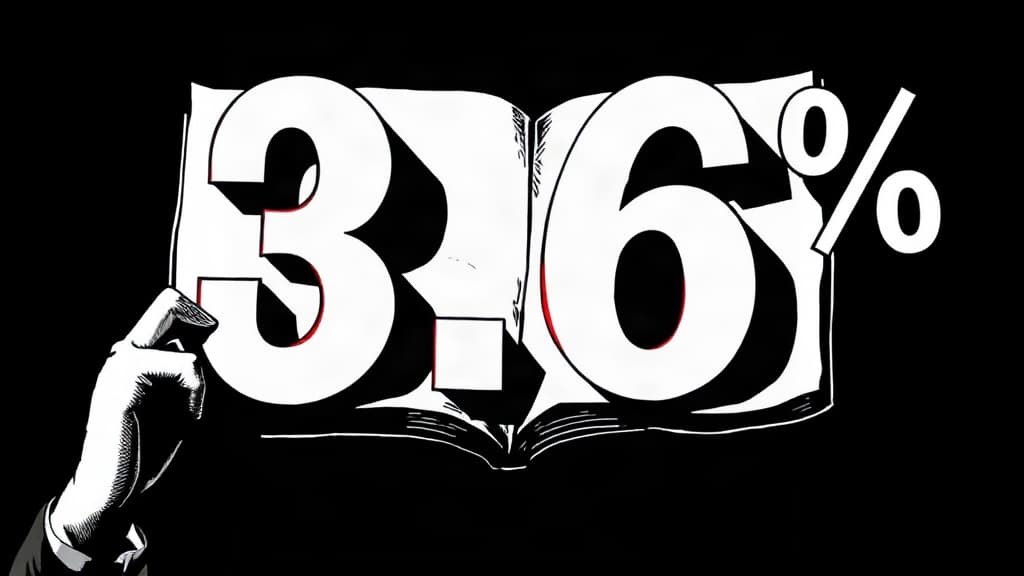
She's not wrong about the broader picture. The Commerce Department reported Thursday that consumer prices rose 3.6% in September from a year earlier — up from 3.4% in August — with monthly price climbs hitting 0.5%, the highest since May, according to syracuse.com. Core inflation, stripping out food and energy, also ticked up. Oil remains above $100 a barrel after the Iran war drove prices skyward from under $70. The national average for gas sits at $4.25.
The Federal Reserve left its key rate unchanged this week, and with inflation still well above its 2% target, pressure is building for another hike in December. For working Americans, that means borrowing costs stay high right alongside the price of everything else.
So the question California voters face is simple: in a state that already drives out productive residents with the nation's highest income taxes and a cost of living that punishes the middle class, does locking a "temporary" tax into the constitution for good sound like a fix — or a guarantee the exodus accelerates?