A train bandit in California made off with over $54,000 in stolen Hot Wheels before police caught him — one visible crack in a supply-chain crime wave that costs American families billions at the register every year.
While organized thieves strip cargo from rail lines across the country, the political class in Washington treats it as a curiosity. Nobody is holding hearings. Nobody is proposing federal action. Meanwhile, you pay more at the store for every pallet that never makes it to the shelf.
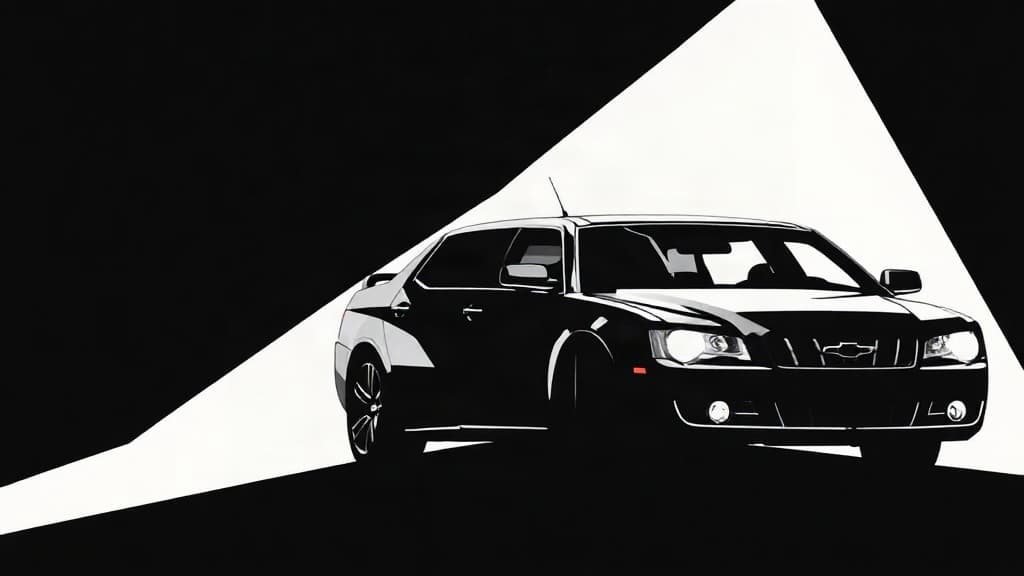
The New York Post reported that Colton Police in San Bernardino County arrested an unidentified suspect early Thursday after a 3 a.m. caller reported people robbing trains near Maple Street. Bodycam footage shows an officer staking out the scene, narrating as the suspect loaded boxes into a black Chevrolet Silverado. Police recovered 350 boxes of Hot Wheels merchandise. The suspect was booked on suspicion of burglary, possession of stolen property, and grand theft.
"We derailed his plans!" the Colton Police Department quipped on Facebook. Cute. But one arrest doesn't explain why robbing trains in California has become a nighttime side hustle in the first place, or what it costs the rest of the country when stolen goods get fenced and legitimate retailers absorb the losses — and pass them to you.
Contrast the enforcement posture with what passes for priority policing elsewhere. WJLA reported that Fairfax County, Virginia just wrapped up its "Road Shark" traffic enforcement campaign after issuing more than 60,000 citations and warnings across four waves since April — a 23% increase over last year's roughly 50,000. The final wave alone produced 19,272 citations and warnings. Police touted hundreds of DUI arrests alongside reckless driving and distracted driving tickets.
Sixty thousand traffic stops in one county. One train thief caught with a pickup truck full of toys. The resource allocation tells you everything about what government actually prioritizes: revenue collection over protecting the supply chains that feed working Americans.
Cargo theft isn't a victimless prank. Industry estimates put organized retail crime and supply-chain theft in the tens of billions annually. That loss doesn't vanish. It shows up as higher prices for groceries, household goods, and yes, kids' toys. It is a regressive tax paid by families who can least afford it, levied by criminals and enabled by indifference.
The Post framed the California heist as a quirky human-interest item — a fun police pun, a colorful detail about Hot Wheels. Buried was the structural reality: rail cargo theft in the state has become endemic, driven by organized rings that know the odds of federal intervention are near zero. WJLA, for its part, treated 60,000 traffic citations as a straightforward public-safety success story, with no mention of whether those resources might have been deployed against crimes that actually drive up the cost of living.
Both parties in Washington agree on plenty when it comes to spending your money overseas or bailing out institutions. On protecting the supply chains that put food on your table, the silence is bipartisan.
One guy with a pickup truck got caught. How many didn't?