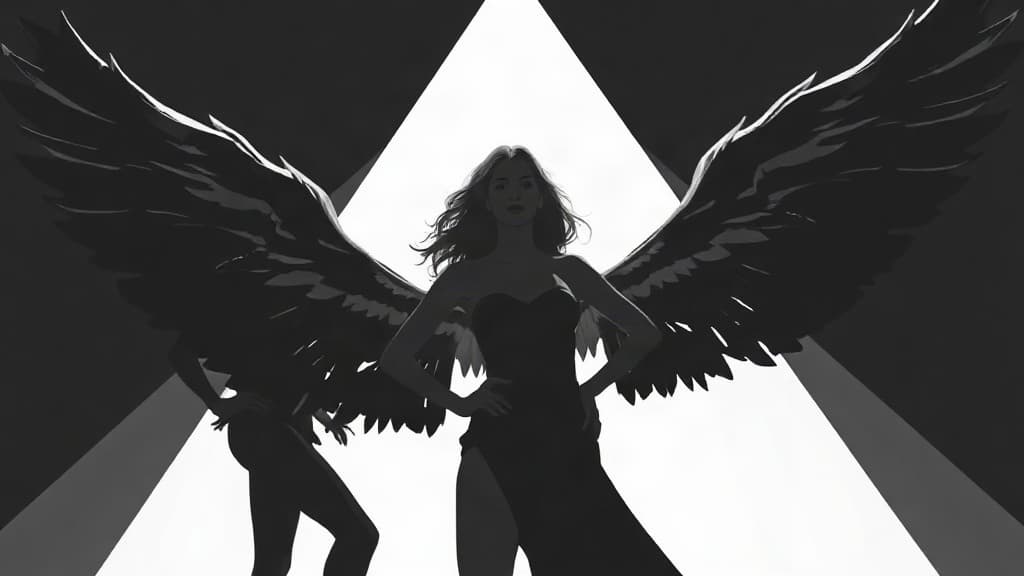
The Victoria's Secret Fashion Show is back. After years on ice — shelved in 2019 as the brand bowed to activists howling about "objectification" and "exclusion" — the runway spectacle returned to Los Angeles on Sunday, angel wings and all, proving that the market for unapologetic femininity never actually went away.
This matters because Victoria's Secret didn't just pause a TV special. The brand tried to erase what it was. After killing the show, VS launched its "VS Collective" — swapping supermodels for activist spokeswomen, pledging allegiance to body positivity and gender ideology, and running campaigns that looked like corporate HR pamphlets. The pivot flopped. Sales stagnated. The brand that once defined an entire category of American retail couldn't sell itself once it stopped selling what people wanted to buy.
Now the show returns with Gigi Hadid, Adriana Lima, Candice Swanepoel, and Anok Yai walking the runway, according to Vogue. Kylie Jenner made her VS debut wearing the brand's famed $50 million Fantasy Bra, Reuters reported. An all-female lineup of performers — including Megan Thee Stallion, Tate McRae, and Katseye — anchored the entertainment. Executive creative director Adam Selman told Reuters the show's theme celebrated the four seasons, with the brand's youth-focused PINK sub-brand getting its own dedicated segment.
Vogue's coverage reads like a fashion press release — breathless, celebratory, scrubbed of any mention of why the show disappeared in the first place. Reuters at least acknowledges the show "returned," though it buries the context of its years-long absence. Neither outlet mentions the activist pressure campaign that killed it, or the brand's failed attempt to replace its identity with wokeness.
Notably, Vogue lists Alex Consani and Precious Lee among the returning models — a nod to the diversity mandates that drove the original cancellation. The brand is clearly trying to have it both ways: bring back the spectacle Americans actually want to watch, while sprinkling in enough progressive compliance to avoid another Twitter pile-on.
But the core product is unmistakable. Women in lingerie, wearing wings, walking a runway to music. That's what Victoria's Secret always was. That's what the activists demanded it stop being. That's what's back on stage.
The open question is whether the brand's hybrid approach holds. You can't fully surrender to the mob and then ask the mob's targets to come back as customers. The people who missed the show never asked for a lecture. They asked for a show. Victoria's Secret finally remembered that. Whether it sticks the landing — or caves again the next time the pressure comes — is the real test.